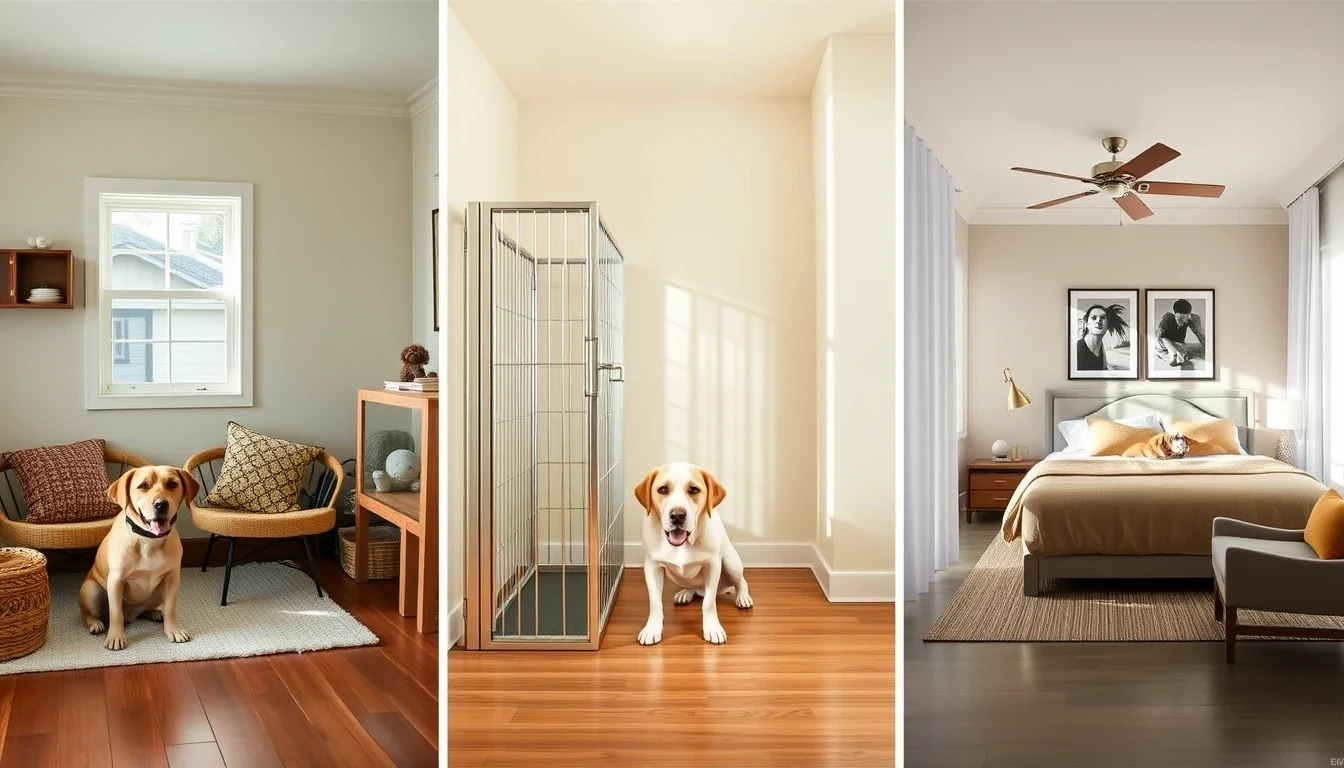
There's no single 'best' dog boarding, only the best fit for your dog's age, breed, temperament, health, and the length of stay. This guide covers a 12-point vetting checklist (insurance, ratio, vaccine policy, emergency protocol, etc.) plus 6 dog-personality archetypes mapped to the best facility type. Most healthy social dogs do best in in-home boarding for stays under 30 days. Dogs with medical needs do best in vet-run or premium kennels. Aggressive or reactive dogs do best with solo-host in-home boarding.
Choose a dog boarder by touring the facility during business hours, verifying overnight staff is on-site (not just checked), confirming vaccination requirements (DHPP, Bordetella, rabies), and reading independent reviews on Google not the operator's website. AAHA accreditation and IBPSA membership are good additional signals.
There is no single "best dog boarding": only the best fit for your specific dog (age, breed, temperament, health) and the specific stay (length, season, route). This guide is a decision framework, not a ranking. It covers a 12-point vetting checklist, six dog-personality archetypes mapped to the right facility type, and the red flags that should disqualify a facility regardless of how good the website looks.
Once you have chosen a facility, see what to pack for dog boarding.
Worried about appetite afterward? Our guide on why dogs will not eat after boarding explains the timeline.
New to boarding? Our dog boarding hub brings every guide together.
If your dog is reactive, anxious, or aggressive, see our dedicated guide to dog boarding for reactive and anxious dogs.
One question to settle before you tour. Are you looking at a kennel or a pet hotel? They are different formats with different tradeoffs. Read our boarding vs pet hotel comparison first if you are not sure which fits your dog.
Planning a boarding stay? Our guide to Long-Term Dog Boarding covers it.
Planning a boarding stay? Our guide to Small Dog Boarding covers it.
Vetting daycare uses the same instincts as vetting a kennel. See how to choose a doggy daycare for the day-visit version.
If you are weighing the risks, we cover whether dog boarding is safe and what separates a safe facility from a shaky one.
After the stay, the signs your dog enjoyed boarding helps you read how it went.
If you're weighing this decision, our guide on Dog Boarding for Senior Dogs: How to Board an Older Dog Safely walks through the details.
For a closer look at a related situation, see our piece on Traveling with Multiple Pets: Car Space, Lodging, and Routine on the Road.
We also cover this in more depth in How to Teach a Dog to Come When Called: A Reliable Recall Guide.
12-point vetting checklist
| # | Item | Why it matters |
|---|---|---|
| 1 | State or USDA license | Confirms regulatory oversight + minimum standards |
| 2 | $1M+ liability insurance (cert available) | Covers injury, illness, death during stay |
| 3 | Staff-to-dog ratio 1:8 to 1:12 | Adequate supervision; lower ratio = less attention |
| 4 | 24/7 staffing or live-in host | Emergencies happen at 2am too |
| 5 | Strict vaccination policy at intake | Reduces kennel cough + disease transmission |
| 6 | Sick-dog isolation area | Confirms they actually separate sick from healthy |
| 7 | Climate control (45-85°F) | Critical for brachy breeds + senior dogs |
| 8 | Written emergency vet protocol | Named clinic + transport plan + signed authorization |
| 9 | Cleaning + sanitation schedule | Reduces disease spread |
| 10 | Pre-booking facility tour welcomed | Refusal = automatic disqualification |
| 11 | 3+ references from prior clients | Verify the experience matches the marketing |
| 12 | Itemized written quote | All add-on fees (exit bath, holiday surcharge, meds) disclosed upfront |
6 dog personality archetypes → best facility type
| Dog archetype | Best boarding type | Avoid |
|---|---|---|
| Healthy social adult | In-home boarding (7-30d) or standard kennel (30+d) | Luxury (overkill) or no-tour facilities |
| Anxious / reactive | Solo-host in-home boarding | Group kennels, high-density facilities, group play |
| Senior (12+) | In-home boarding or vet-run | Busy standard kennels, large group play, outdoor-heavy routines |
| Brachycephalic (Frenchies, Pugs, Bulldogs) | Climate-controlled in-home or premium kennel | Outdoor-only exercise summers, kennels without strict climate |
| Puppy (under 6mo) | In-home with puppy-experienced host | Kennels mixing puppies with adult unsupervised play |
| Medical needs (insulin, seizures, post-op) | Vet-run boarding or premium with on-site vet tech | In-home hosts without medical experience, budget kennels |
Red flags that disqualify a facility
- Refuses a daytime walkthrough or tour
- Doesn't enforce vaccinations at intake (just asks; doesn't verify)
- Vague on staff-to-dog ratio or doesn't provide a number
- No insurance certificate available on request
- No written emergency vet protocol
- No references from prior clients
- All-positive online reviews (looks artificial or pay-to-play)
- No isolation area for sick dogs
- Pushy hard-sell at booking or charges large nonrefundable deposit
- Reluctant to itemize all add-on fees in writing
Green flags that signal a good facility
- Welcomes pre-booking facility tour and answers all questions
- Asks detailed questions about your dog at intake (behavior, meds, fears)
- Requires vaccine documentation and verifies at intake
- Provides a written agreement with all add-on fees itemized
- Offers a meet-and-greet (especially for in-home boarding hosts)
- Has a 3-5+ year track record and visible business registration
- Has mostly-positive but realistic online reviews with substantive responses to negatives
- Maintains a clear sick-dog isolation area and explains the protocol
- Has a named emergency vet partner and signed authorization-to-treat form
- Maintains staff-to-dog ratio in the 1:8 to 1:12 range during awake hours
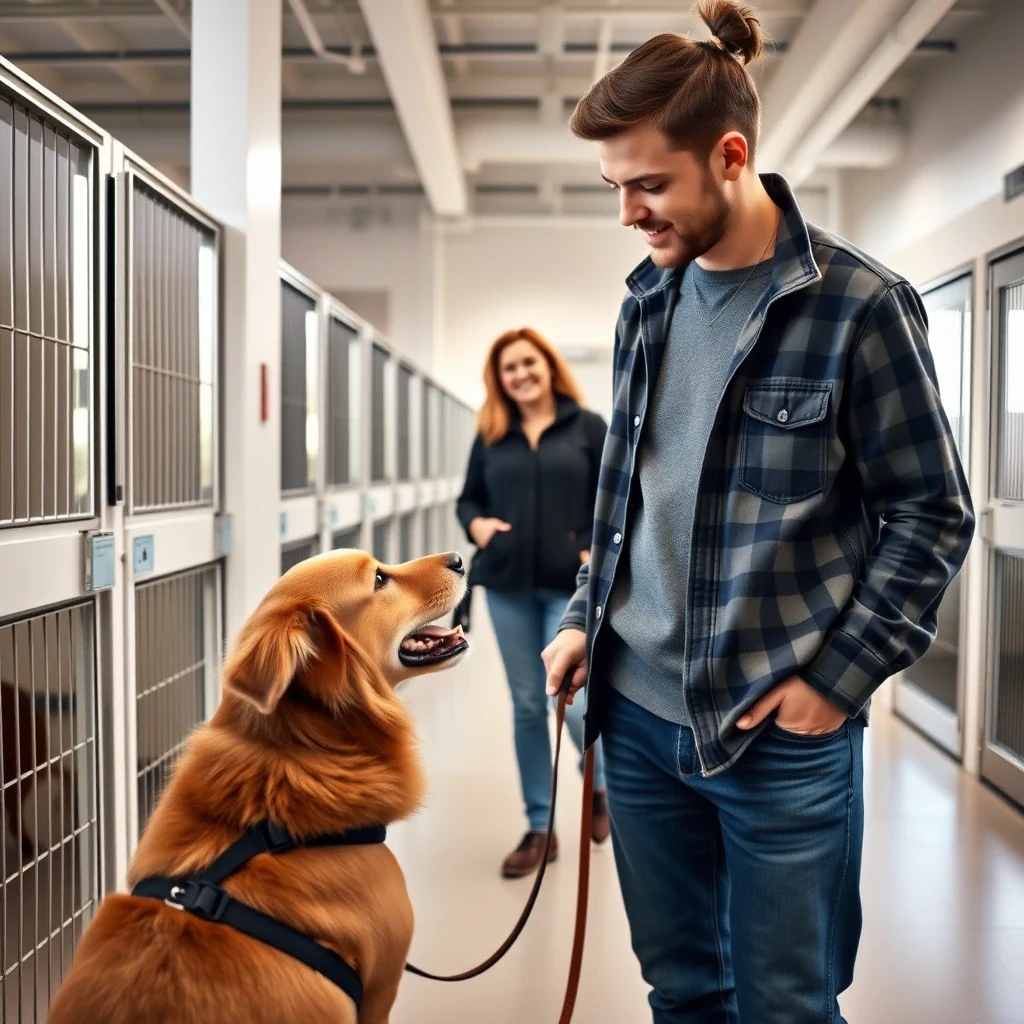
How to find a dog boarder near you without getting burned
If you have searched "dog boarding near me" recently, you know the problem. Google's local pack shows three results dominated by paid ads and Yelp aggregators. The 3-pack rarely shows the actual best operator in your area, and the reviews are a mix of legitimate feedback and contested takedowns. Here is how to actually find the right boarder in your area without relying on the algorithm.
Where to look beyond the Google 3-pack
- The AAHA boarding-accredited list. AAHA accredits boarding-and-daycare facilities to specific welfare and safety standards. Filter to facilities within 25 miles of your zip. AAHA accreditation is voluntary, so the list is short, but every facility on it has agreed to external standards.
- IBPSA member directory. The International Boarding and Pet Services Association maintains a member directory by US state. Members have agreed to a code of conduct and continuing education. Not all good boarders are members, but most members are at least competent operators.
- Your vet's recommendation. Your veterinarian sees the outcomes of every boarding facility in your area. Dogs come back with kennel cough, parasites, stress reactions, and injuries. Vets know which facilities show up in their exam rooms and which do not. This is the single most underrated source.
- Local breed-specific or training community groups. Facebook groups for your specific breed, or for a local trainer's clients, often have a recurring "who do you trust for boarding" thread. The recommendations come from owners with specific quality bars.
- Google reviews filtered by length. Sort Google reviews to most-recent and skim for reviews longer than 100 words. Short five-star reviews are easily manufactured. A 300-word three-star review describing exactly what went wrong is the most useful signal in a profile.
What to filter for in the search results
Within 30 miles of your zip, narrow to facilities that have: a real address (not a PO box), photos of the actual housing area not just a lobby, a published rate sheet (transparency signal), a written vaccination requirements page, and a phone number that is answered by a human during business hours when you call to check.
Facilities that fail any of these in the first 10 minutes of vetting almost always fail the in-person tour too.
5 questions before you even book a tour
1. Are you accepting new clients for the dates I need? This filters out facilities that overbook and get sloppy. 2. Can I tour your housing and play areas during business hours next week? "By appointment only" or "only weekends" usually means the place looks different during work hours. 3. What is the staff-to-dog ratio overnight, and is staff on-site or off-site between checks? Specific number, specific schedule. 4. What is your vet emergency protocol? Named clinic, transport plan, owner notification window. 5. What is your no-fault cancellation policy? Real facilities allow same-week cancellation for medical reasons without forfeiting the full booking fee.
If the answers feel rehearsed or evasive, do not book the tour. The phone call is itself the first interview.
Frequently asked questions
What is the best dog boarding option?
What should I look for in a dog boarding facility?
How do I know if a dog boarding place is good?
Which boarding is best for senior dogs?
Which is best for puppies?
Best for reactive or aggressive dogs?
Best for brachycephalic breeds?
What about webcam access?
Vetting checklist synthesized from AKC boarding guidance, AVMA kennel cough mitigation guidelines, and our partner provider standards. Personality-archetype map from veterinary behaviorist consensus. We refresh annually.
Sources & references
- akc.org https://www.akc.org/expert-advice/lifestyle/boarding-your-dog/
- avma.org https://www.avma.org
- aphis.usda.gov https://www.aphis.usda.gov/aphis/ourfocus/animalwelfare