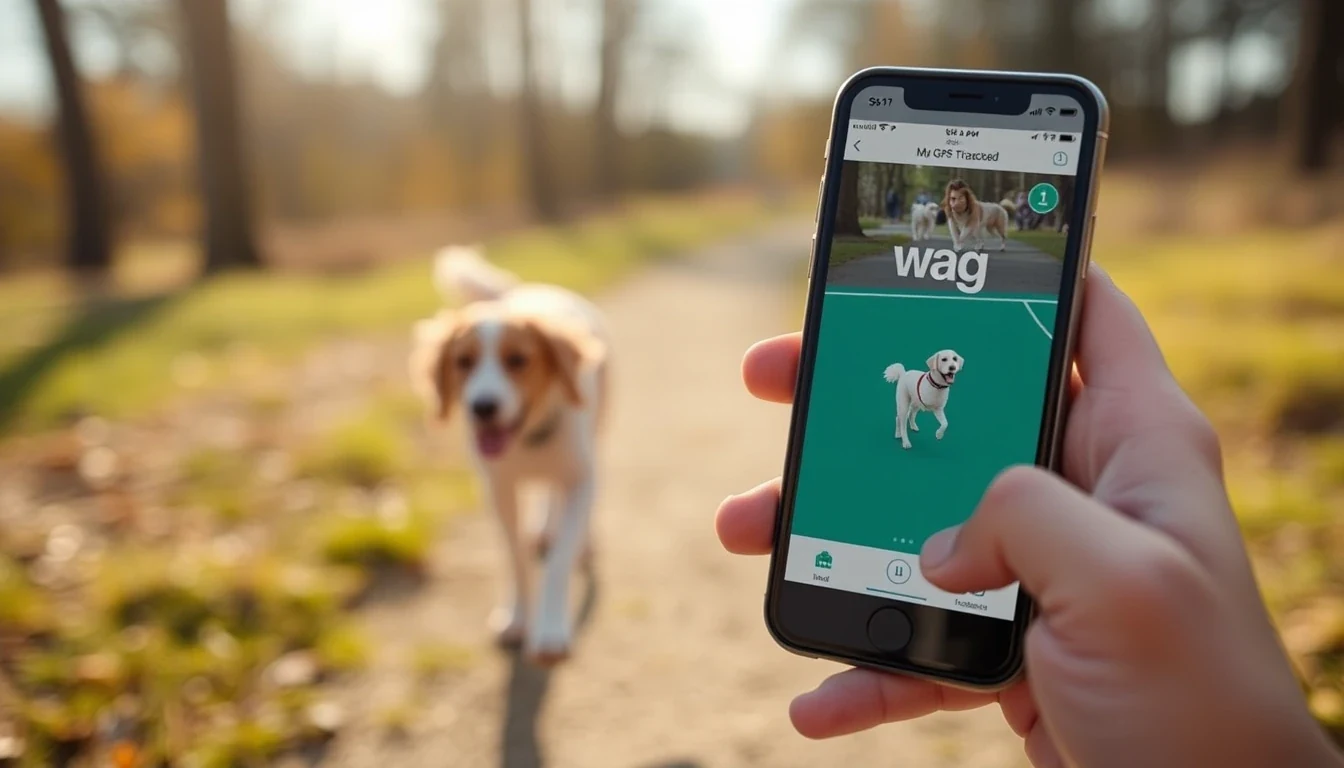
Wag is the second-largest US pet care app, focused primarily on dog walking. Built-in GPS tracking on every walk is its strongest feature. Pricing: walkers set rates ($20-$35 standard walk); Wag takes 30-40% platform fee. Insurance: $1M secondary on bookings. Background checks: criminal + in-person interview in some markets. Best for: urgent same-day bookings, owners who want GPS visibility on every walk. Worst for: deep recurring relationships (high turnover), rural markets, customers price-sensitive about platform fees.
Wag is the second-largest US pet care app, focused primarily on dog walking. Built-in GPS tracking on every walk is its strongest feature. Honest review of the 30-40% platform fee, the Wag vs Rover head-to-head, and when Wag actually beats the alternatives.
Weighing an app against a local walker? Our roundup of the best dog walking services and our Fetch! Pet Care review cover the alternatives.
On-demand booking and caregiver profiles are on the official Wag! site.
For more walker guidance, see our dog walking hub.
For a deeper dive, see our guide to how to become a dog walker: skills, certifications, licenses, and first clients (2026 guide).
App-based walkers often keep less of the fee, so it is worth reading how much to tip a dog walker before you book.
More on getting dog walks right: dog-walking packages, dog-walking safety tips, how often to walk your dog, the best time of day to walk a dog.
If safety is your main concern, see our full look at is Wag safe before you book.
You may also find Is It Too Hot to Walk My Dog? A Temperature Safety Guide useful for planning ahead.
For owners in a similar situation, our guide on How to Walk a Reactive Dog Without Dreading Every Outing is worth a read.
If you're weighing this decision, our guide on Which Airlines Allow Exotic Pets: Birds, Rabbits and More walks through the details.
Who Wag is and how the model works
Wag launched in 2015 as an on-demand dog-walking app, sometimes described in the press as the "Uber for dog walking." It operates a managed marketplace: independent caregivers list themselves on the platform, owners browse and book through the app, and Wag handles payment, messaging, scheduling and a layer of vetting. Beyond walking, Wag has expanded into drop-in visits, overnight boarding, pet sitting and add-on services such as training and vet consultations, though dog walking remains its core.
The defining feature is operational visibility. Every booked walk includes GPS tracking, a map of the route, distance and duration, plus photo and message updates and the option for a lockbox handoff so you do not need to be home. For owners who want proof a walk happened and want to see exactly where their dog went, that is the single biggest reason to pick Wag over a competitor that leaves tracking up to the individual walker.
Pricing and fees
Caregivers set their own rates within Wag's structure. A standard 30-minute walk typically runs $20 to $35 depending on city and walker, with 60-minute walks and drop-in visits priced higher. Wag retains roughly 30-40% of each booking as its platform fee, leaving the walker with 60-70% of what you pay. On a $25 walk that is about $15 to $17.50 to the walker. That cut is meaningfully higher than Rover's 20-25%, which is the central trade-off when you compare the two.
Wag also sells an optional owner subscription, Wag Premium, at $14.99 per month. It bundles booking discounts, priority scheduling, an annual vet consultation and other perks. The math works only if you book frequently, roughly four or more walks a month. One point worth knowing before you sign up: Wag applies cancellation fees, and the amount scales with how late you cancel, up to a same-day penalty. Read the current cancellation policy in the app so a late change of plans does not produce a surprise charge.
Wag vs Rover head-to-head
| Factor | Wag | Rover |
|---|---|---|
| Platform fee | 30-40% (higher) | 20-25% (lower) |
| Walker take-home on $25 walk | $15-$17.50 | $18.75-$20 |
| Walker network size | Smaller | Larger (500k+) |
| Geographic coverage | 100+ US cities | All 50 states + 12 countries |
| GPS tracking | Built-in standard | Walker-dependent |
| Same-day availability | Better in major metros | Variable |
| Vetting depth | Background + in-person interview (some markets) | Background + safety quiz |
| Subscription option | Wag Premium $14.99/mo | None |
Pros and cons
Wag's strengths are concentrated in convenience and visibility. Built-in GPS on every walk is genuinely useful and not something every competitor matches. Same-day and short-notice availability tends to be stronger in major metros, which matters when a work emergency means your dog needs a walk in two hours. The app itself is frequently described as polished and easy to use, and the Premium subscription can pay back for high-frequency users.
The drawbacks are real. The 30-40% platform fee is the highest of the mainstream apps, and a larger cut tends to compress what good walkers earn, which can show up as turnover and variability in walker quality. Coverage thins out fast in rural and smaller markets, where you may find only one or two active walkers. And because caregivers are independent contractors, there is no enforceable same-walker guarantee, so the recurring relationship many owners want can be hard to maintain.
What customers say
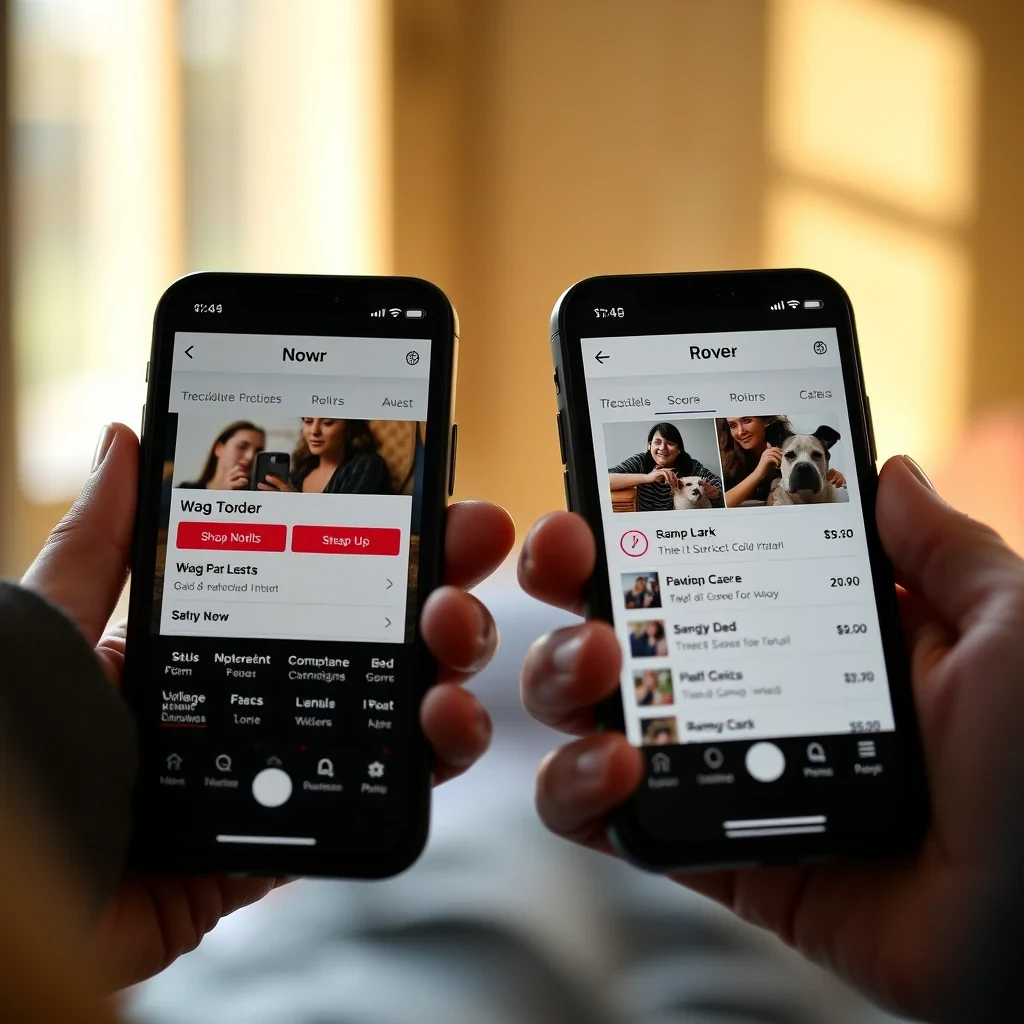
Customer sentiment on Wag is split, and it splits along a clear line: feelings about individual walkers versus feelings about the company. On Trustpilot, where Wag has several thousand reviews, satisfied owners consistently praise reliable, punctual, courteous walkers and describe real peace of mind from attentive care and photo updates. When a good walker shows up, the experience is well-liked.
The complaints cluster around the platform rather than the people. Recurring themes across Better Business Bureau reviews and consumer-complaint sites include billing disputes and unexpected charges, difficulty reaching a human in customer support, slow refunds, and occasional no-show or last-minute-cancellation walkers. Several complaints specifically describe cancellation fees that owners felt were applied unfairly. The takeaway is not that Wag is unsafe, it is that the walker can be excellent while the company's billing and support handling frustrates you separately. Read recent reviews for your own city, since walker quality is intensely local.
How Wag compares to other platforms
Rover is the closest comparison and the more cost-efficient marketplace: a wider network, lower platform fee and broadly stronger customer sentiment, though tracking depends on the individual sitter. Wag's edge is built-in GPS and same-day urgency. Fetch! Pet Care takes a different approach, a franchise of bonded and insured sitters rather than gig contractors, which suits owners who value consistency over on-demand speed. PetBacker is worth a look if you travel internationally. If your need is overnight care rather than walks, our pet sitting hub covers the trade-offs in more depth.
When Wag wins
- Same-day urgent walks (Wag has stronger short-notice availability in major metros)
- GPS visibility is a hard requirement for you
- You want the Wag Premium subscription value (4+ walks/month makes the math work)
- Premium app experience preference (Wag's UX is often described as more polished)
When to skip Wag
- Daily recurring 1-on-1 walks where an independent walker keeps the full $25
- Rural markets with under 5 active Wag walkers within 10 miles
- Price-sensitive owners, the 30-40% platform fee shows in walker quality variability
- Building a deep multi-year relationship, Wag walker turnover is higher than Rover
Who Wag is right for
Wag is the right call for the urban owner who values on-demand convenience and wants to see exactly where their dog went on every walk. If you book frequently enough to justify Premium, and you live in a metro with a deep walker pool, it is a strong, polished option. If you are price-sensitive, live somewhere rural, or want to build a multi-year bond with one specific walker, the higher fee and the contractor model work against you, and Rover or a local independent walker will usually serve you better.
What Wag Premium actually includes
Wag Premium is the optional owner subscription, and the marketing bundle is worth unpacking line by line because the value is uneven. The headline perks:
- Booking-fee waivers. Premium members bypass the per-booking service fee, which is the perk that pays for itself fastest if you book often.
- Free Wag Vet Chat. Unlimited chats with veterinary professionals, useful for the "is this an emergency?" 2 a.m. question.
- Priority access to top-rated caregivers and VIP support routing.
- Partner discounts on pet products and services.
The math is simple: the booking-fee waiver is the only perk with a hard dollar value, so Premium pays back at roughly four or more bookings a month. Below that cadence, you are buying the vet chat and discounts, which most owners will not use enough to justify the monthly cost. If you walk daily through Wag, run the fee-waiver number first.
How Wag vets and onboards its walkers
Understanding Wag's walker pipeline tells you how much screening sits behind the person at your door. To get approved, a prospective Wag caregiver must:
- Pay a one-time application fee (commonly reported in the $25 to $65 range)
- Submit to a comprehensive background check run by a third-party screening provider
- Watch training videos and pass a pet-safety quiz
- Agree to Wag's Pet Care Provider Platform Use Agreement
- Provide references
The background check alone can take up to roughly two weeks. The honest limitation is the same one every gig marketplace shares: the check confirms identity and criminal history, not handling skill. The safety quiz is a quiz, not a field test. That is why a meet-and-greet still matters even on a polished app.
The cancellation-fee trap (and how to avoid it)
Wag's most common billing complaint is cancellation charges, so know the rule before you book. Cancellation fees apply across Wag services (walks, drop-ins, sitting, boarding, and in-home training) and they scale with how late you cancel, climbing toward a full same-day penalty. The avoidance playbook is straightforward:
- Cancel as early as you possibly can, not the morning of
- Check the live cancellation policy in the app for your specific service, since the windows differ by service type
- If a walker no-shows on you, document it immediately so you can dispute any charge with support
- Build a small buffer into recurring bookings rather than scheduling tight around an unpredictable work calendar
Wag for the urban on-demand owner
Wag's real niche is short-notice, same-day coverage in dense metros, paired with GPS proof on every walk. If a meeting runs long and your dog needs out in ninety minutes, Wag's instant-book flow in a deep-walker city is hard to beat. That same instant-book design is also Wag's weakness in thin markets and for relationship-building, since walkers cannot always pre-screen the dog and you cannot lock one walker long-term. For owners who want a steady daily walker and the lowest cost, an independent who keeps the full fee usually wins, as our look at dog walker costs lays out, and any walker you hire directly should carry dog walking insurance.
Frequently asked questions
Is Wag legit?
How much does Wag cost?
Wag vs Rover?
Walker earnings?
GPS tracking?
Is Wag safe?
What do reviews complain about most?
Does Wag charge cancellation fees?
Wag Premium worth it?
Become a Wag walker?
Is Wag Premium worth it?
How does Wag screen its walkers?
How do I avoid Wag cancellation fees?
Review based on Wag public info (May 2026) plus aggregated customer reviews across Trustpilot, the Better Business Bureau, Google and App Store, and partner provider research. Refreshed quarterly.
Sources & references
- wag.co https://www.wag.co
- petsitters.org https://www.petsitters.org