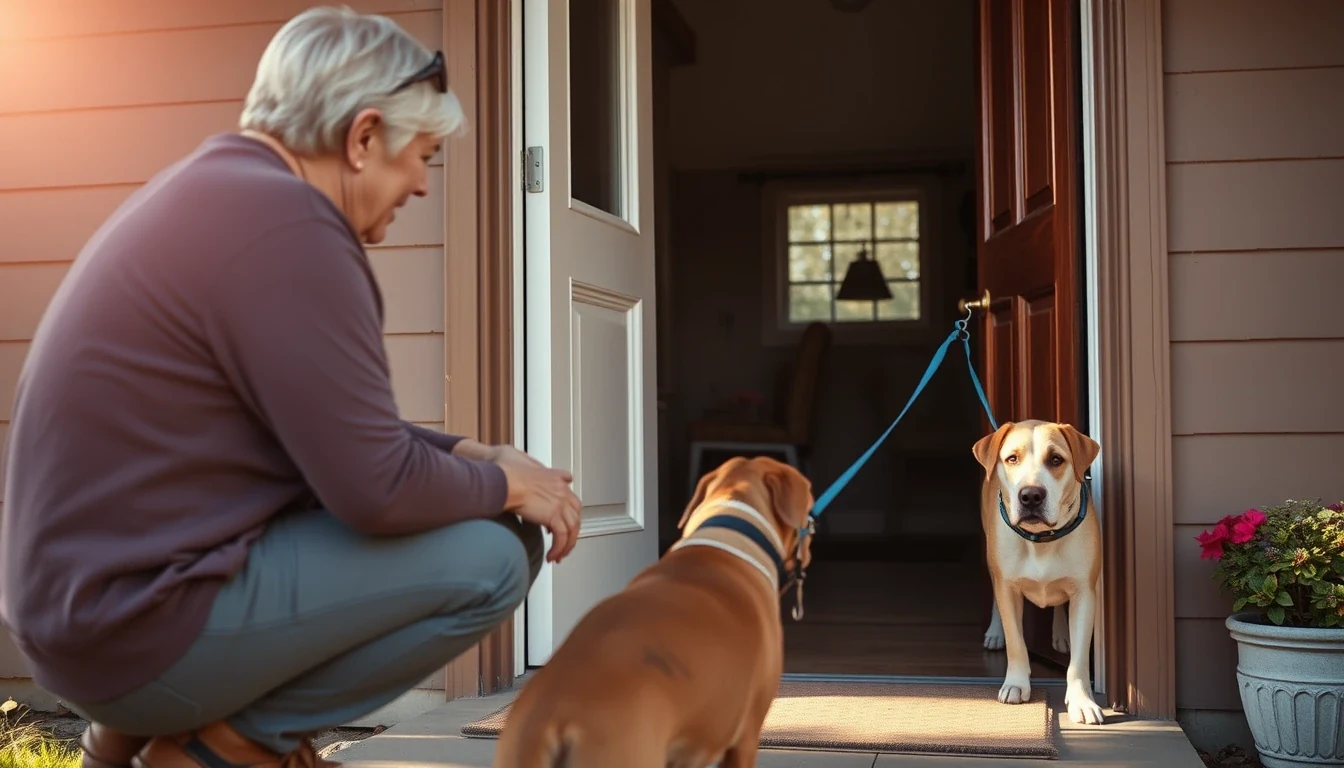
Vetting a dog walker takes about 60 minutes done right. The framework: (1) confirm $1M liability insurance with certificate, (2) verify clean criminal background check, (3) ask 12 specific questions about handling, emergencies, and experience, (4) check 2-3 client references, (5) do an in-home meet-and-greet where the walker meets your dog, (6) run a paid trial walk (single 30-min walk with GPS + photos), and (7) execute a 'first-week trust test' before locking in a recurring schedule.
Vetting a dog walker takes about 60 minutes done right and protects against the most costly downside: a missing dog, a serious injury during a walk, or a stranger with a key to your home. This guide is the 12-question framework, the insurance + certification verification walkthrough, the red flags that disqualify candidates outright, and a first-week trust test before committing to a recurring schedule.
Already shortlisting providers? Cross-reference our roundup of the best dog walking services and budget with how much a dog walker costs.
For more walker guidance, see our dog walking hub.
For a deeper dive, see our guide to how much to charge for dog walking: a pricing guide.
A good walker should follow solid safety habits. Our dog walking safety tips list the practices to look for when you vet a candidate.
The same vetting instincts apply when you need overnight help. Here is how to find a trustworthy dog sitter.
Since Wag matches you with a nearby walker, it helps to understand how safe Wag is first.
12 questions to ask
| # | Question | Red flag answer |
|---|---|---|
| 1 | Do you carry $1M general liability insurance? Can I see the certificate? | "I'm covered" without specifics, refuses to share cert |
| 2 | Have you passed a national criminal background check? | "It's clean" without offering proof, vague timing |
| 3 | Do you have pet first aid or CPR certification? | "I know basic stuff" without naming a cert |
| 4 | How long have you been walking dogs professionally? | Under 6 months and no other pet care background |
| 5 | How many dogs per day, max group size? | Over 15 dogs/day or group walks over 4 dogs |
| 6 | What's your protocol if my dog has a medical emergency? | No clear plan, no named vet partner |
| 7 | Can I contact 2-3 client references? | "They're private," "I'll send later," no follow-through |
| 8 | Do you provide GPS-tracked walks with photos? | No, or "sometimes" without consistency |
| 9 | What's your key handling protocol? | No documented process, mixes keys with personal items |
| 10 | How do you handle reactive dogs on walks? | "I just keep walking" without de-escalation plan |
| 11 | Cancellation policy + backup if you're sick? | No written policy, no backup walker arranged |
| 12 | Ever lost a dog or had a serious incident? | Evasive answer, blames previous owner, no learning shared |
How to actually verify insurance + cert
- Insurance: Walker emails Certificate of Insurance (COI). COI lists insurer + policy # + coverage amount ($1M GL minimum) + policy dates + named insured. Call the insurance company listed on the COI and confirm the policy is currently active. Takes 5 minutes; walkers expect this.
- Background check: Walker provides a copy of their most recent national criminal background check (under 12 months old) from a service like Checkr, GoodHire, or Sterling. Some walkers use NAPPS or Pet Sitters International background verification, which can be confirmed with those orgs.
- Pet first aid cert: Walker provides cert number or photo of cert card. Call the issuing org (PetTech, Red Cross, ProPetHero) to confirm active certification + walker as named holder. Most certs valid 2 years.
- Business registration: Walker's business should be registered in your state (LLC or sole proprietorship). Look up on Secretary of State website, public information, takes 60 seconds.
Red flags that disqualify on the spot
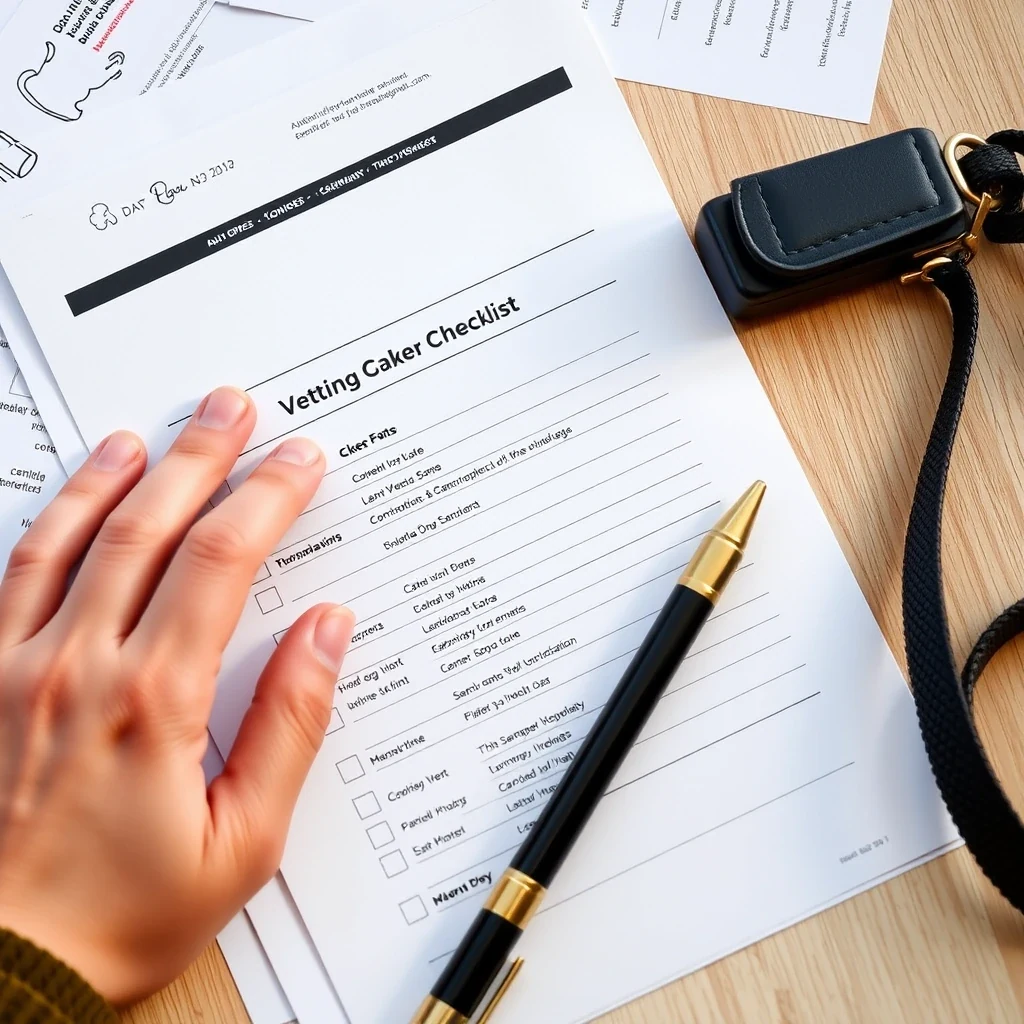
- Refuses a free meet-and-greet
- Won't provide insurance certificate within 24 hours of request
- Vague about background check or certification details
- No references available, or refers to "private" clients only
- All-positive reviews online (looks artificial or pay-to-play)
- Pushy hard-sell at first call with limited-time pressure
- Requires large upfront deposit before any service
- No written service agreement or contract
- No GPS tracking on walks
- Rotating-walker policy (different person each visit)
- Can't articulate medical emergency protocol
- History of pet incidents they're evasive about
First-week trust test
- Day 1: Paid 30-min trial walk, you home. Observe arrival timing, dog handling, leash technique, departure. Check the walker's body language with your dog.
- Day 3-4: 30-min walk, you at work. Verify: GPS routes match advertised distance, photo update arrives within 5 minutes of walk end, dog returns happy not stressed.
- Day 6-7: Extended 60-min walk. Verify: walker handles longer walks well, no signs of rushing, dog still positively engaged at pickup.
If all three pass without flags, lock in the recurring schedule. If any flag rises, choose another walker. The 60-90 minutes of vetting upfront prevents months of low-grade anxiety or a costly incident.
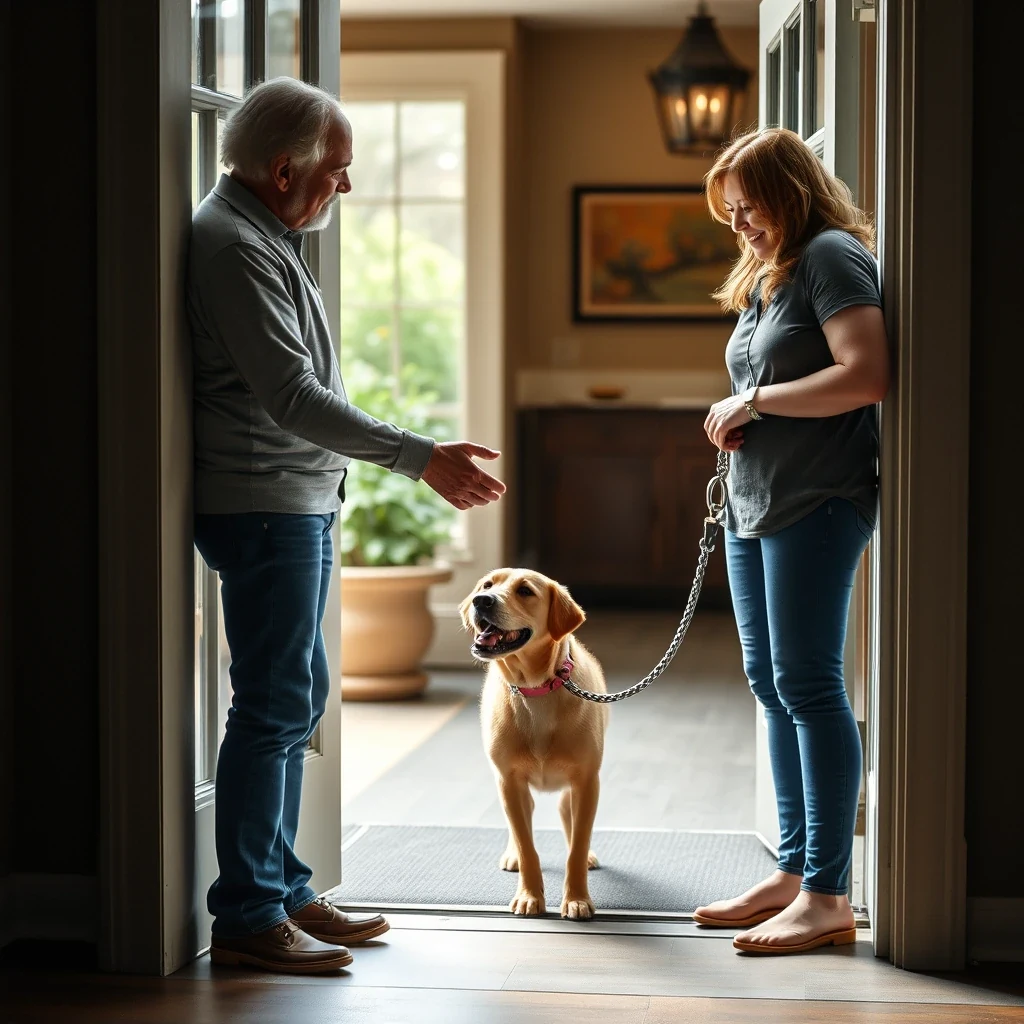
Bonded vs insured: they are not the same thing
Owners often hear "bonded and insured" and treat it as one credential. It is two, and they protect against different disasters. You want both.
| Protection | What it covers | The disaster it prevents |
|---|---|---|
| General liability insurance | Damage or injury during the job: your dog bites someone, injures another dog, damages property, or is hurt on the walk | A vet bill or lawsuit landing on you |
| Bonding (dishonesty bond) | Theft by the walker or their staff from your home, yard, vehicle, or shed | A walker with a key stealing cash, jewelry, or electronics |
Insurance pays when something goes wrong with the work. A bond pays when the person is dishonest. Since a dog walker frequently holds a key to your home, the bond is not a nice-to-have. Ask for proof of both, and remember that "I'm covered" is not proof. The minimum to require is a $1M general liability policy plus a dishonesty bond, with certificates you can verify by calling the issuer.
Certifications and memberships worth asking about
None of these are legally mandatory to walk dogs in the US, which is exactly why they signal a professional who chose to invest in the craft. Knowing what each one actually means stops you from being impressed by a meaningless badge.
- Pet first aid and CPR certification. The most useful single credential. The American Red Cross offers a short online cat-and-dog first aid course, and providers like Pro Pet Hero and ProTrainings issue professional-grade certs valid about two years. Confirm the cert is current, not from five years ago.
- NAPPS (National Association of Professional Pet Sitters). A nonprofit membership association, around $135/year, that provides resources and access to insurance. Membership signals professional intent, not a skills exam.
- Pet Sitters International (PSI). An educational association, not an insurer. PSI does not sell insurance directly but flags on member profiles whether a business is insured, bonded, background-checked, and first-aid trained. Useful as a verification layer.
The takeaway: treat memberships as evidence of seriousness, and treat the pet first aid cert as the one to actually verify, because it is the credential that matters in the moment a dog chokes, overheats, or is hit by a car.
GPS tracking and report-card apps: what good looks like
A professional walker in 2026 should give you a digital record of every walk, not a "yep, all good" text. The standard tools to expect are GPS-tracked route maps, time-stamped start and end times, a photo or two from the walk, and notes on potty, water, and behavior. Software like Time To Pet, Scout, and the built-in tracking on platforms like Rover and Wag produce these report cards automatically.
What separates a real system from a token gesture:
- The GPS route matches the advertised distance and duration. A "30-minute walk" that shows a 6-minute loop is the single clearest red flag this section exists to catch.
- The photo and report arrive promptly, within a few minutes of the walk ending, not batched hours later.
- The notes are specific (peed twice, drank water, met a friendly lab) rather than copy-paste boilerplate.
If a walker cannot or will not provide GPS-verified report cards, you lose your only objective check on whether the service you paid for actually happened. For budgeting context once you have a shortlist, see how much a dog walker costs.
Background checks: what to require and how to confirm
A criminal background check is non-negotiable for someone holding your key. Ask for a national-level check completed within the last 12 months from a recognized service such as Checkr, GoodHire, or Sterling. Walkers who run their business through NAPPS or a marketplace platform often have a background verification you can confirm with that organization directly.
The verification itself takes minutes: the walker provides the report or the verifying organization's confirmation, and you check the date is recent and the result is clean. Vague answers ("it's clean, trust me"), refusals to share, or checks that are years old all belong in the disqualify column.
Frequently asked questions
What questions should I ask a dog walker?
How do I verify insurance?
What are red flags?
Meet-and-greet required?
How to check references?
First-week trust test?
Verify pet first aid cert?
Trust Rover walker?
What is the difference between a bonded and an insured dog walker?
Does a dog walker need to be certified?
How can I tell a GPS-tracked walk is real and not faked?
Vetting framework synthesized from Pet Sitters International + NAPPS professional standards, partner provider intake protocols, and our pet transport vetting playbook. Refreshed annually.
Sources & references
- petsitters.org https://www.petsitters.org
- napps.org https://www.napps.org
- akc.org https://www.akc.org