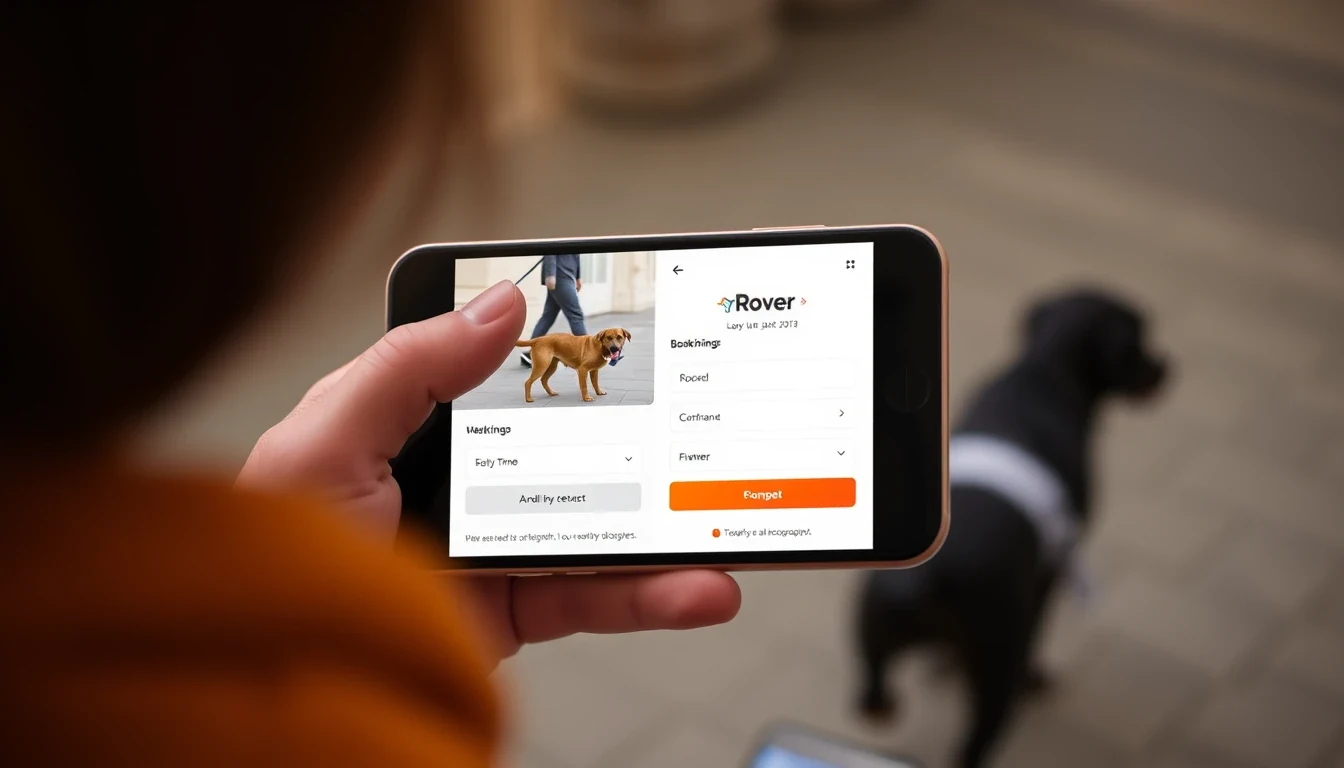
Rover is the largest US pet care marketplace, founded 2011, IPO'd 2021 (RWR on NASDAQ). It connects pet owners with vetted sitters and dog walkers for in-cabin, drop-in visits, overnight boarding, daycare, and walks. Pricing: walkers and sitters set their own rates, Rover takes 20-25% platform fee. Insurance: $1M secondary coverage on bookings. Background checks: criminal + photo ID + safety quiz. Best for: travel-based or sporadic pet care needs, broad geographic coverage. Worst for: dedicated daily recurring walks where independent walker beats Rover on cost + relationship.
Rover is the largest US pet care marketplace, 500k+ sitters and walkers, $1M secondary insurance, criminal background checks. Honest review: how the 20-25% platform fee actually works, who Rover is right for, and three alternatives where independent or local options beat the marketplace.
Want a professional alternative to the marketplace model? See our Fetch! Pet Care review, a franchise of bonded, insured sitters rather than independent contractors.
Comparing marketplaces? Our PetBacker review covers a global pet-care platform with insurance cover on every booking.
Cat owners may prefer a specialist: see our Meowtel review.
For more on hiring trusted help, see our pet sitting hub.
Arranging pet care? Our guide to Sittercity Review for Pet Care is worth a read.
Arranging pet care? Our guide to Best Pet Sitting and Dog Walking Software is worth a read.
For a deeper dive, see our guide to how much to charge for house sitting: a pricing guide.
Before you book through a marketplace, it is worth weighing a professional cat sitter versus an app for reliability and insurance.
Related for pet parents: our guide to 25 Questions to Ask a Pet Sitter Before You Hire.
Planning dog-walking care? These guides cover the essentials: how much a dog walker costs, how much to tip a dog walker, the best dog-walking services.
A question owners ask constantly is is Rover safe, which we cover in a dedicated guide.
If you keep a non-dog-cat pet, the platform's exotic-species coverage matters; see our comparison of whether Rover or TrustedHousesitters works for exotic pets.
We also cover this in more depth in Should You Hire a Cat Sitter or Ask a Friend?.
Related reading: How Long Can You Leave a Dog Alone? A Realistic Guide by Age.
You may also find How Much to Tip a Cat Sitter: A Practical Etiquette Guide useful for planning ahead.
Who Rover is and how the model works
Rover launched in 2011 and went public in 2021, and it is now the largest pet care marketplace in the US, with a network often cited at more than 500,000 sitters and walkers and operations across multiple countries. It is a managed marketplace: independent caregivers create profiles, set their own rates and accept bookings, while Rover provides the search and matching layer, in-app messaging, payment processing, a review system, baseline vetting and an insurance backstop.
The breadth is the point. One account covers dog walking, drop-in visits, daycare, overnight boarding in the sitter's home and house sitting in yours. For owners who travel, move cities or only need care occasionally, that one-platform convenience, combined with reviews you can read and vetting you do not have to run yourself, is the core value. The trade-off is the platform fee and the fact that you are ultimately relying on an independent contractor's individual skill, not a trained, supervised employee.
Related for pet parents: our guide to Companion Pet Sitting.
Pricing and fees
Sitters set their own rates, so prices vary by city, service and individual. As a general guide, walks tend to run $20 to $30, drop-in visits $20 to $35, and in-home boarding $40 to $75 per night. There is no subscription for owners. Rover takes a service fee of roughly 20-25% of the booking total, which means the sitter keeps about 75-80% of what you pay. On a $25 walk that is around $18.75 to $20 to the sitter, which is a more generous split than Wag's. Holiday surcharges and additional-pet fees can apply, and they are set by the sitter rather than the platform.
Related for pet parents: our guide to House Sitting vs Pet Sitting.
What Rover does well
- Broadest US coverage, 500k+ active sitters across all 50 states
- Built-in vetting, background check plus ID verification plus safety quiz baseline
- $1M secondary insurance, most incidents are covered
- Easy app experience, booking, payment, messaging, photo updates all in-app
- Review system, read 50+ reviews per sitter, filter by sitter rating plus acceptance rate
- 24/7 customer support, actual humans available
- Multi-service, walks, drop-in, boarding, daycare, house sitting all on one platform
Where Rover falls short
- 20-25% platform fee, sitter take-home is 75-80% of what you pay; an independent walker keeps 100%
- Sitter quality varies, vetting catches criminal history but not pet handling skill
- Background check depth, basic; it does not verify pet first aid or claimed vet credentials
- No same-walker guarantee, you can request, not enforce; Rover may auto-rotate
- Insurance is secondary, your own insurance pays first; gaps possible
- Aggressive-dog handling, most Rover walkers are not trained for it; you might be matched to a beginner
- Pricing can be opaque, sitters set rates, the platform takes its cut without surfacing the math
What customers say
Rover carries tens of thousands of reviews on Trustpilot, and the sentiment there is mixed but skews positive on the day-to-day experience. Happy owners describe a user-friendly app, easy booking and rebooking, helpful sitters and reassuring photo and message updates. For routine care that goes smoothly, the marketplace generally delivers.
The harder feedback shows up in Better Business Bureau complaints, and it concentrates on what happens after something goes wrong. Recurring themes include the platform declining or under-reimbursing claims after a pet was injured, support being slow or unresponsive when owners submitted evidence, and the fact that Rover does not verify a sitter's claimed vet or medical experience. None of this means Rover is unsafe for most bookings, but it does underline the marketplace reality: the insurance is a secondary backstop with conditions, and the vetting confirms identity and criminal history, not handling skill. The owners who report the best outcomes are the ones who screen sitters themselves, run a meet-and-greet and read recent reviews carefully.
When Rover is the right call

- You travel frequently and need walks in destination cities
- You're new to a city and don't have local walker contacts
- You want vetting plus insurance built-in without doing it yourself
- Sporadic or occasional use (1-3 walks per month)
- You value app-based booking plus GPS tracking plus in-app payment
- You need multiple services (walks plus occasional pet sitting plus boarding) under one platform
When to skip Rover
- Daily recurring 1-on-1 walks where an independent walker keeps the full $25 and builds a long-term relationship
- Reactive or special-needs dogs, book directly with a specialist instead
- Rural markets with under 3 active Rover walkers within 10 miles
- Building a deep multi-year relationship with one walker (Rover auto-matching disrupts this)
How Rover compares to other platforms
Among the apps, the natural comparison is Wag, which charges a higher 30-40% platform fee but builds GPS tracking into every walk and tends to have stronger same-day availability in big metros. Care.com works differently again: it is an aggregator where you pay a subscription, then find and pay a sitter directly with no platform insurance. PetBacker is a global marketplace worth considering if you travel internationally, and cat owners often prefer the specialist Meowtel. Against all of them, a local independent walker keeps 100% of the fee and is the better choice for daily recurring care or a reactive dog. For overnight care specifically, weigh the options in our pet sitting hub.
Who Rover is right for
Rover is the best general-purpose pick for the owner who needs flexible, occasional care and wants vetting, payment and an insurance backstop handled in one app. It shines for travelers, recent movers and anyone booking a few times a month rather than every day. It is the wrong tool for daily recurring walks, where the fee is pure overhead, and for reactive or medically complex pets, where you want a named specialist rather than a contractor matched by an algorithm.

The Rover Guarantee and Reservation Protection, explained
Two terms get used loosely in Rover marketing, and they are not the same thing. Every booking made through Rover is backed by the Rover Guarantee and Reservation Protection, alongside 24/7 support. The Guarantee is the safety net that can reimburse eligible vet costs if a pet is injured during a Rover booking, up to a stated limit, while Reservation Protection handles disruptions like a last-minute sitter cancellation by helping you rebook. The critical word in both is "eligible." This is secondary coverage with conditions, not a no-questions refund. The recurring frustration in customer complaints is not that the Guarantee does not exist, it is that owners discover the conditions only after an incident. Read the current terms in the app before you book, photograph your pet's condition at handoff, and keep all vet receipts.
Meet-and-greet: the step that separates good Rover bookings from bad ones
Across the owners who report the smoothest Rover experiences, one habit shows up again and again: they never skip the meet-and-greet. Rover's vetting confirms identity and criminal history, but it does not test handling skill, dog-reading ability, or how a sitter responds to a leash-reactive pull. The free meet-and-greet is where you close that gap yourself. Use it to:
- Watch the sitter greet your dog cold, before treats come out
- Confirm they can physically manage your dog's size and strength
- Hand over the leash and observe a short test walk
- Ask about pet first-aid experience and emergency vet protocol
- Agree on update frequency and what a "normal" walk looks like
A fifteen-minute meet-and-greet is the cheapest insurance you can buy on the platform.
Rover for travelers and movers: the use case where it genuinely wins
Rover's broadest network is its real moat. With a sitter and walker base spanning the US and Canada, it is the one platform that follows you. If you travel for work, relocate cities, or split time between two homes, you can open one account and find vetted care in a city where you know nobody. A local independent walker cannot do that, and rebuilding trust from scratch in every new market is slow. For routine daily walks at home, an independent who keeps 100% of the fee still wins on cost, as we cover in our breakdown of how much a dog walker costs. But for sporadic, location-flexible, vetting-handled-for-you care, Rover is purpose-built.
Reading a Rover profile like a pro
Star ratings are the weakest signal on a Rover profile because almost everyone sits above 4.8. The information that actually predicts a good booking is buried lower:
- Repeat-client percentage. A high share of repeat clients is the strongest quality signal Rover surfaces. People do not rebook a sitter they did not trust.
- Response time and acceptance rate. Slow responders and low acceptance rates mean scheduling friction later.
- Recent review dates. Fifty reviews that stop two years ago tell you the sitter has scaled back.
- Specific praise. Reviews that mention your exact need (medication, reactive dogs, large breeds) matter far more than generic "great sitter" notes.
For booking overnight stays rather than walks, weigh the trade-offs in our pet sitting hub and check typical rates in our guide to how much pet sitting costs.
Frequently asked questions
Is Rover legit?
How much does Rover cost?
How much do walkers make?
Is Rover safe?
Rover vs Wag?
Insurance coverage?
What do reviews complain about most?
Who shouldn't use Rover?
How to become a Rover walker?
What is the difference between the Rover Guarantee and Reservation Protection?
Should I always do a meet-and-greet before booking on Rover?
What should I look at on a Rover profile besides the star rating?
Review based on Rover public information (May 2026), customer reviews aggregated across Trustpilot, the Better Business Bureau, Google and App Store, and partner provider research. We refresh quarterly.
Sources & references
- rover.com https://www.rover.com
- petsitters.org https://www.petsitters.org