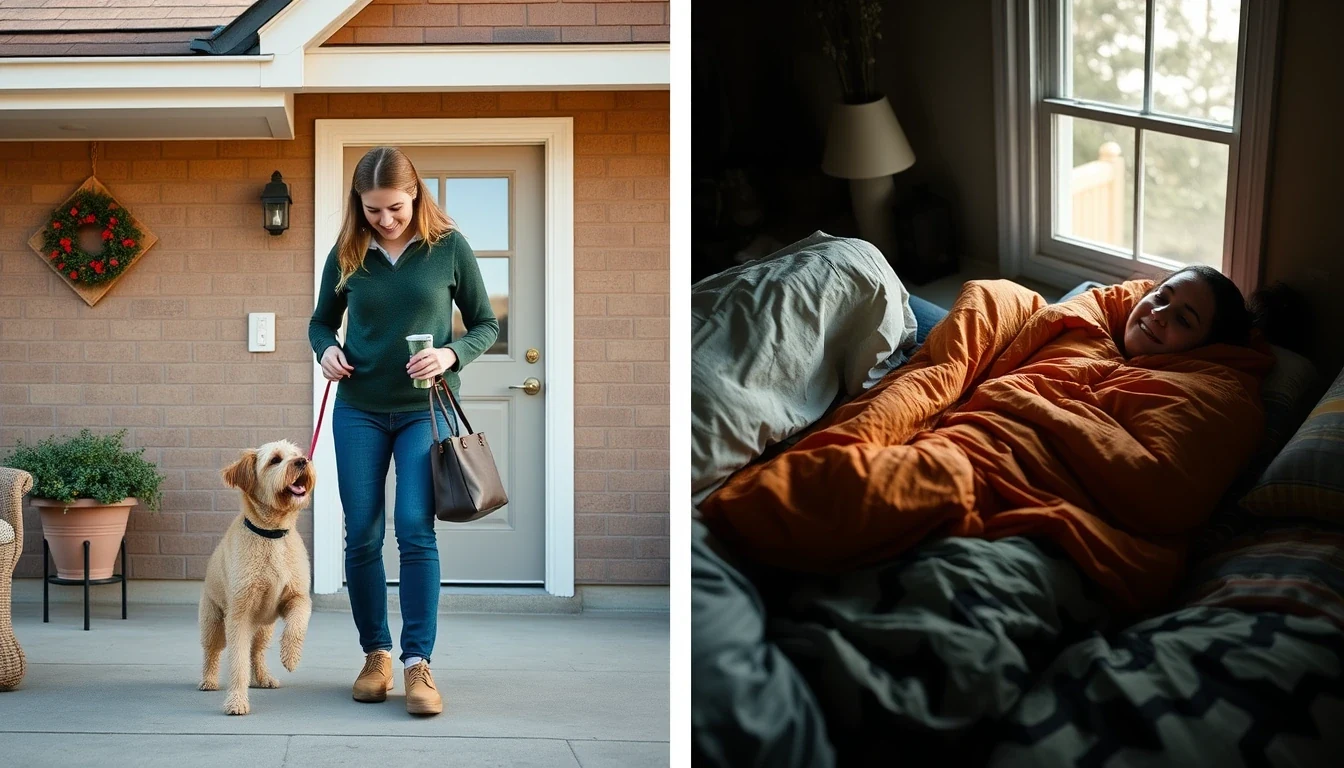
Drop-in pet sitting (1-3 short visits per day) works for healthy adult pets on trips of 1-3 days. Cost: $20-$55 per visit × 1-3 visits/day. Overnight pet sitting (sitter sleeps at your home) is the right call for: puppies under 6 months, senior pets (12+), pets with separation anxiety, pets on time-sensitive medications, and trips of 3+ days. Cost: $50-$80 flat per day. The breakeven point is around 3 visits per day, beyond that, overnight is usually cheaper.
Drop-in pet sitting (1-3 short visits per day) and overnight pet sitting (sitter sleeps at your home) are two different service tiers. Drop-in works for healthy adult pets on short trips. Overnight wins for puppies, seniors, anxiety-prone pets, medication-dependent pets, and trips of 3+ days. The cost breakeven is around 3 visits per day.
Whichever you choose, price it with our pet sitting cost guide, and see pet sitter vs boarding vs dog walker if you are still weighing the basic options.
For more on hiring trusted help, see our pet sitting hub.
For a deeper dive, see our guide to sittercity review for pet care: is it good for finding a pet sitter? (2026).
For cats that need company at night, read what overnight cat sitting involves and how it compares with drop-in visits.
If the gaps between drop-ins feel too long, overnight dog sitting keeps someone with your dog through the night.
If you are choosing a visit type, see how booking on Rover works for how the app handles each.
For owners in a similar situation, our guide on Best Dog Walking Services [2026]: Marketplace vs Independent vs Local Co-op is worth a read.
If you're weighing this decision, our guide on Dog Walking Packages: What's Included + Real Pricing [2026] walks through the details.
For a closer look at a related situation, see our piece on Companion Pet Sitting: When Drop-In Visits Aren't Enough.
The real difference: coverage, not just price
It is easy to read drop-in and overnight as a cheap option and an expensive option. They are not. They are two different shapes of coverage, and the price difference is a side effect of that, not the point.
Drop-in pet sitting is interval coverage. A sitter arrives, spends twenty to sixty minutes feeding, refreshing water, handling litter or a potty break, giving meds, doing a quick play session and a house check, then leaves. Between visits the pet is alone. If you book one visit a day, your pet has one short window of care and roughly twenty-three hours on its own. Even three visits a day still leaves long unsupervised stretches, including the entire night. For a pet that genuinely does not mind solitude, those gaps are harmless. For a pet that does mind, the gaps are the whole problem.
Overnight pet sitting is continuous coverage across the hardest part of the day. The sitter arrives in the evening, stays through the night, and leaves in the morning, so the pet is never alone overnight and the night-into-morning routine stays normal. The pet keeps its own bed and its own territory, which is what separates overnight sitting from boarding. You are not paying a premium for luxury; you are paying for the elimination of the overnight gap. Whether that gap matters is the single question that decides this comparison.
Side-by-side comparison
| Factor | Drop-in (1-3 visits/day) | Overnight (sitter at home) |
|---|---|---|
| Cost | $25-$35 × 1-3 visits = $25-$105/day | $50-$80 flat/day |
| Coverage | 20-60 min per visit, gaps in between | Continuous from evening to morning |
| Best for trip length | 1-3 days | 2-14+ days |
| Puppy / senior fit | Usually not enough | Yes |
| Anxiety-prone pets | Hard (gaps trigger panic) | Excellent |
| Medication timing | Limited to visit windows | Flexible, near-continuous |
| Multi-pet households | Per-pet add'l fees compound | Flat rate covers all pets |
The cost breakeven math
Drop-in at $25-$35 per visit × 1 visit/day = $25-$35/day. Cheaper than overnight ($50-$80/day flat). Drop-in × 2 visits/day = $50-$70/day. Roughly even with overnight. Drop-in × 3 visits/day = $75-$105/day. Overnight wins on cost. Multi-pet shifts the math earlier, at 2 pets with 2 visits/day, drop-in is $60-$90/day vs overnight $50-$80 flat. Overnight already wins.
One detail many owners miss: the breakeven also moves with the length of the trip. A single weekend away is cheap to cover with drop-ins because you only pay for a handful of visits. Stretch the same per-visit rate across a ten-day trip and the running total climbs fast, while the flat overnight rate stays predictable. So even when drop-in technically wins the per-day comparison, a long trip can erode that advantage. When you price a trip, multiply the full schedule out rather than trusting the single-day number.
When drop-in is the right call

- Cat-only household, 1-3 day trip: 1 visit/day usually covers feeding, water, litter, brief play. $25-$35/day total.
- Single adult dog, weekend trip: 2-3 visits/day for bathroom + brief walk. $50-$105/day.
- Recurring weekday coverage while you're at work: midday drop-in for bathroom break + brief attention. $15-$25/day, often bundled with a dog walker.
- Quick out-of-town overnight: evening + morning drop-ins. $50-$70 total.
The common thread is a pet that is genuinely settled on its own. Drop-in suits the confident adult animal that eats normally whether or not anyone is watching, does not panic at an empty house, and has no medical schedule that the visit windows would break. For that pet, drop-in delivers everything it needs and nothing it does not, which is exactly why it costs less.
When overnight is the right call
- Puppy under 6 months: too many alone hours with drop-in, accident risk, training disruption.
- Senior pet 12+: increased anxiety, more frequent bathroom needs, medication management.
- Separation anxiety diagnosis: drop-in gaps trigger panic, vocalization, destruction.
- Time-sensitive medications: insulin every 8 hours, seizure meds with strict timing.
- Multi-pet households (3+ pets): drop-in per-pet fees compound; overnight flat rate wins.
- Post-surgical recovery: continuous monitoring + e-collar/wound check.
- Trips 3+ days: the welfare benefit of continuous coverage outweighs the cost difference.
What unites this list is a pet that needs either presence or precise timing. A puppy needs frequent bathroom access and company during a critical developmental stretch. A senior or a recovering pet needs monitoring you cannot compress into three short visits. An anxious pet needs the panic windows closed, not just shortened. And a pet on insulin or seizure medication needs doses delivered on a clock that interval visits cannot reliably hit. In every one of these cases the extra cost of overnight care is small next to the welfare risk of leaving the gap open.
How to decide in two questions
If you want to skip the table, the whole comparison collapses into two questions, asked in order.
First: can this pet handle a night alone without harm? A puppy, a frail senior, an anxious pet, or a pet on tightly timed medication cannot, and for them the answer is overnight, full stop, regardless of price. If the pet genuinely can handle a night alone, move to the second question. Second: how many visits a day does it actually need, and how long is the trip? One or two visits a day on a short trip points to drop-in. Three or more visits a day, multiple pets, or a long trip pushes both the cost and the coverage logic toward overnight. Answer those two honestly and the choice makes itself.

The home-security gap nobody prices in
Coverage for your pet is the obvious axis. The quieter one is coverage for your house, and it is the clearest single advantage overnight has over drop-in. With drop-in visits, your home is visibly unoccupied for the long stretches between calls, including every night. With overnight care, someone is sleeping in the house, lights go on and off naturally, and the place reads as lived-in to anyone watching.
That presence does real work beyond deterrence:
- Burst pipes, leaks, and power outages get caught in hours, not at the end of your trip.
- Mail and packages come inside instead of stacking on the porch and advertising your absence.
- The "lived-in" signal (cars coming and going, evening lights) is the cheapest burglary deterrent there is.
If you are leaving a home unattended for a week-plus, factor the security value into the overnight premium. It is not a luxury line item; it is a second service you are getting for the same flat rate.
Drop-in for cats vs dogs: very different math
Drop-in works far better for cats than for dogs, and the reason is biology, not preference. Cats are territorial and tolerate solitude well; most healthy adult indoor cats are genuinely fine with one visit a day for feeding, fresh water, and a clean litter box, and many handle a short trip on a single daily check. Dogs are pack animals with a bladder clock, so they need multiple visits just to meet baseline needs, and even then the long gaps can wear on a social or anxious dog.
| Pet | Typical drop-in cadence | Where drop-in breaks down |
|---|---|---|
| Healthy adult cat | 1 visit/day, sometimes every other day on short trips | Multi-cat tension, medication, seniors, kittens |
| Healthy adult dog | 2-3 visits/day | Puppies, seniors, anxiety, time-sensitive meds |
The takeaway: a cat household is the textbook drop-in candidate and rarely needs overnight, while a dog household crosses into overnight territory much faster. Price both honestly with our pet sitting cost guide before you decide.
Run the multiple-visits math for a real dog day
For a dog, the "how many visits" question is really a needs-met question. A baseline day looks like this:
- Morning: out for a potty break and a walk, breakfast, fresh water (visit 1).
- Midday: a bathroom break so the dog is not holding it 8+ hours (visit 2).
- Evening: dinner, another walk, company before the long overnight stretch (visit 3).
That is three visits before you have addressed company at all, and the overnight hours, the longest unsupervised window, are still uncovered. At a typical $25 to $35 per visit, three drop-ins land at $75 to $105 a day and still leave the night open. A flat overnight at $50 to $80 covers all of it, the night included, which is why the cost logic and the welfare logic point the same direction once a dog genuinely needs three visits.
Building a hybrid schedule
You do not have to pick one service for the whole trip. A good sitter will help you blend them to match where the risk actually sits:
- Overnight on the front end: book overnight for the first night or two while the pet settles into your absence, then step down to drop-ins once it is calm.
- Overnight on the high-risk nights only: if your pet is mostly fine but storms or fireworks fall on certain dates, put overnight coverage exactly there.
- Drop-ins around a single overnight: for a quick out-and-back trip, an evening and morning drop-in often beats a full overnight on price.
The hybrid approach is also the standard answer for owners weighing a sitter against a kennel: in-home sitting for short trips, a fuller arrangement for long ones. Our dog boarding vs pet sitting guide covers when to flip to a facility entirely.
Frequently asked questions
Drop-in pet sitting vs overnight - which is better?
How many drop-in visits per day?
Can a cat be alone for 2 days?
Is overnight worth the extra cost?
How does drop-in work?
How does overnight work?
When is drop-in too little?
What's the cost breakeven?
Can I mix drop-in and overnight on one trip?
Does overnight mean the sitter is present 24 hours?
Does overnight pet sitting help with home security?
Can a cat be left with just one drop-in visit a day?
How many drop-in visits does a dog need per day?
Service definitions from Pet Sitters International. Pricing from 12-city operator survey (May 2026). Refreshed quarterly.
Sources & references
- petsitters.org https://www.petsitters.org
- akc.org https://www.akc.org
- avma.org https://www.avma.org