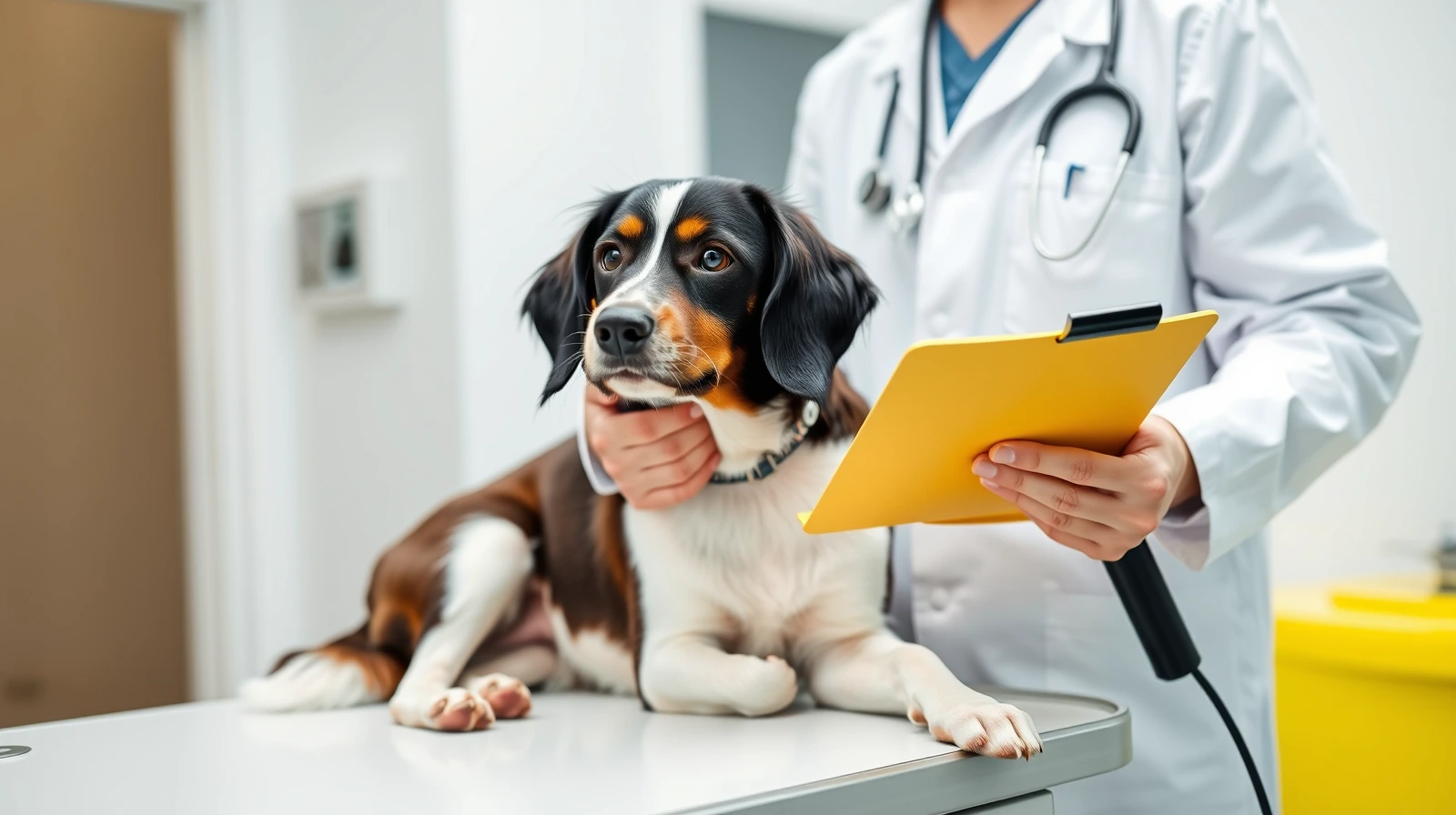
A pet health certificate for travel is a Certificate of Veterinary Inspection from a licensed vet, usually within 10 days of departure. International moves add a USDA-accredited vet and APHIS endorsement, so confirm the destination rules early and book ahead.
A pet health certificate for travel sounds like a single form, but in practice it is one of two very different documents depending on where your pet is going. For a domestic flight or an interstate move, it usually means a Certificate of Veterinary Inspection (CVI) signed by a licensed vet, often within 10 days of departure. For an international export, it is a destination-specific document that must be examined by a USDA-accredited vet and then endorsed by the USDA before your pet can leave the country. The two paths have different timelines, different costs, and very different penalties for getting it wrong. Here is how each one actually works, decoded without the marketing spin.
Because the health certificate has a short validity window, plan how far in advance to book pet transport carefully.
The health certificate is one piece of a larger paperwork set, listed in the full set of documents needed to fly a pet internationally.
Timing the certificate correctly matters more than most people expect, as the PCS pet timeline shows.
Minnesota currently runs the strictest import rules in the country; see Minnesota entry requirements.
Birds face their own paperwork, including CITES on many parrots, covered in transporting a bird.
Iowa refuses entry outright to animals from a rabies quarantine area; see Iowa entry requirements.
What a pet health certificate actually is
The umbrella term covers the CVI, sometimes printed on a form labeled APHIS 7001 for domestic interstate movement. It is a vet's written statement that, on the day of examination, your animal appeared healthy, was free of signs of contagious disease, and met the vaccination requirements for the trip. It is not a guarantee of health forever. It is a snapshot tied to a specific exam date, which is why almost every requirement is written as a window ("issued within 10 days of travel") rather than a one-time credential.
Who needs one varies. Many US airlines ask for a recent certificate when a pet flies in cargo, and some require it even for in-cabin pets. Most US states have interstate movement rules enforced through the certificate. And every country that allows pet imports sets its own version, which is where the process gets involved. If you are mapping out a larger move, our guide to pet relocation walks through how the certificate fits alongside flights, crates, and timing.
Domestic travel: the simpler path
For travel inside the US, the certificate is mostly between you and a licensed veterinarian. You do not normally need USDA endorsement for routine interstate pet movement. The vet performs an exam, confirms rabies vaccination status, and issues the CVI. As of 2026 most airlines and states use a 10-day validity window, but a few set it at 30 days and some have no federal requirement at all for personal pets, so confirm the specific airline policy and the destination state's animal-health office before you book. The American Veterinary Medical Association keeps a useful overview of travel basics at avma.org.
One nuance that trips people up: a domestic CVI can be issued by any licensed vet, but an international certificate generally cannot. If there is any chance your domestic move could become an international one, read the next section first so you do not pay for an exam that the wrong vet cannot endorse. For the broader picture of getting a pet from A to B, our how to transport a pet guide covers the logistics around the paperwork.
International travel: the USDA-accredited path
Exporting a pet from the US is governed by the destination country, not by the US. The authority for the US side of the process is USDA APHIS (the Animal and Plant Health Inspection Service). The starting point is the official aphis.usda.gov Pet Travel site, where you select the destination country and the species to see the exact requirements. There is no universal international health certificate. Japan, the United Kingdom, the European Union, Australia, and Canada all ask for different documents, tests, and timelines.
Two requirements are nearly universal and worth flagging up front. First, the exam and certificate must come from a USDA-accredited veterinarian. Not every vet is accredited, so call ahead and ask specifically. Second, after the accredited vet completes the certificate, it usually must be USDA-endorsed before it is valid for export. APHIS handles endorsement electronically through its VEHCS system, described on the agency's accreditation pages at aphis.usda.gov. If your destination is a common one, see our route-specific notes for pet transport to the UK and pet transport to Canada.
How to get a pet health certificate for travel, step by step
- Confirm the requirements first. Go to the APHIS Pet Travel site, pick your destination and species, and read the full checklist. For domestic trips, check the airline policy and the destination state's animal-health office instead.
- Find the right vet. For international travel, locate a USDA-accredited veterinarian early. For domestic travel, any licensed vet works. Book the appointment to fall inside the destination's exam window (often within 10 days of travel, but verify).
- Handle the prerequisites before the exam. Microchip implantation, rabies vaccination, and any required blood tests usually have to be done and documented before the certificate exam. Some have their own waiting periods, so these often come weeks ahead.
- Complete the exam and certificate. The vet scans the microchip, confirms vaccines and test results, examines the animal, and fills out the destination-specific certificate.
- Submit for USDA endorsement (international only). The accredited vet typically files the certificate through APHIS VEHCS. Endorsement is not instant.
- Pay the endorsement fee. As of 2026, APHIS endorsement fees start around $38 per certificate and rise when federal review of laboratory tests is required. Confirm current fees on APHIS before you budget.
- Allow USDA processing time, then travel. APHIS guidance indicates endorsement can take roughly 72 business hours, and the offices are closed on weekends and federal holidays. Build that buffer in so the endorsed certificate is in hand before departure.
Domestic vs international at a glance
| Factor | Domestic (US interstate) | International export |
|---|---|---|
| Who issues it | Any licensed veterinarian | USDA-accredited veterinarian only |
| Typical timing window | Often within 10 days of travel (verify per state/airline) | Set by destination country, frequently within 10 days; tests may need weeks of lead time |
| USDA endorsement needed | No (for routine pet movement) | Yes, usually required via APHIS VEHCS |
| Typical cost | Vet exam fee, roughly $50 to $300+ depending on clinic | Vet exam plus endorsement from around $38, plus possible test-review fees |
| Lead time to plan | Days to a couple of weeks | Weeks to months, depending on tests like rabies titer |
The rabies titer (FAVN) and other test pitfalls
Some rabies-controlled destinations require a rabies titer test, often called a FAVN (Fluorescent Antibody Virus Neutralization), to prove your pet has a protective antibody level. This is the single biggest timeline trap in international pet travel. The blood draw has to happen after a valid rabies vaccination, the sample goes to an approved laboratory, and many countries then impose a mandatory waiting period (sometimes several months) between the blood draw and the date your pet is allowed to arrive. Miss the window and you cannot fix it by paying more; you wait. Check whether your destination requires a titer the moment you start planning, because it can push your earliest possible travel date out by months. The USDA-accredited path and the role of federal certification are explained in our overview of USDA-certified pet transport.
Health certificate vs pet passport
US pet owners often hear about a "pet passport" and assume they need one. The pet passport is an EU concept: a booklet issued within the EU that records a pet's identification, vaccinations, and treatments so the animal can move between member states with less paperwork. The US does not issue pet passports. For a pet leaving the US, the document you need is the destination-specific health certificate endorsed by APHIS, not an EU passport. Once a pet is living inside the EU, a local vet there may issue an EU pet passport for future intra-EU travel, but that is a separate process that happens after arrival. Do not let a service that promises a "pet passport" distract you from the actual APHIS-endorsed certificate your departure depends on.
Timing, cost, and a prep checklist
The two most common ways trips go wrong are timing and the wrong vet. Because APHIS needs roughly 72 business hours and is closed weekends, a Friday exam for a Monday flight is risky. Because international certificates require an accredited vet, booking a non-accredited clinic can mean repeating the entire exam. On cost, plan for the exam fee plus endorsement (from around $38 as of 2026), and add lab and test-review costs if your destination requires them. If you are also coming into the US with a dog, the CDC sets separate entry rules at cdc.gov, and broader animal program information lives at usda.gov.
- Confirm destination requirements on the APHIS Pet Travel site before anything else.
- Verify your vet is USDA-accredited for international trips; any licensed vet is fine domestically.
- Microchip your pet and make sure it scans before the certificate exam.
- Get rabies and any required vaccines done with enough lead time, including titer waiting periods.
- Schedule the certificate exam inside the destination's window (often within 10 days).
- Submit for USDA endorsement early and allow about 72 business hours, weekends excluded.
- Budget the exam fee plus endorsement (from around $38 in 2026) and any test-review fees.
- Carry originals; keep digital copies; confirm current fees and timelines on APHIS before you rely on any number here.
Frequently asked questions
How long is a pet health certificate valid for travel?
Can any vet issue a pet health certificate?
How much does a USDA endorsement cost?
How far in advance should I start the process?
Is a pet health certificate the same as a pet passport?
Do I always need USDA endorsement?
What is a rabies titer or FAVN test, and do I need it?
Sources & references
- aphis.usda.gov https://www.aphis.usda.gov/pet-travel
- aphis.usda.gov https://www.aphis.usda.gov/pet-travel/take-pet-from-us-to-another-country
- aphis.usda.gov https://www.aphis.usda.gov/aces/aces-overview
- avma.org https://www.avma.org/resources-tools/pet-owners/petcare/traveling-your-pet-faq
- cdc.gov https://www.cdc.gov/importation/dogs/index.html
- usda.gov https://www.usda.gov/topics/animals