
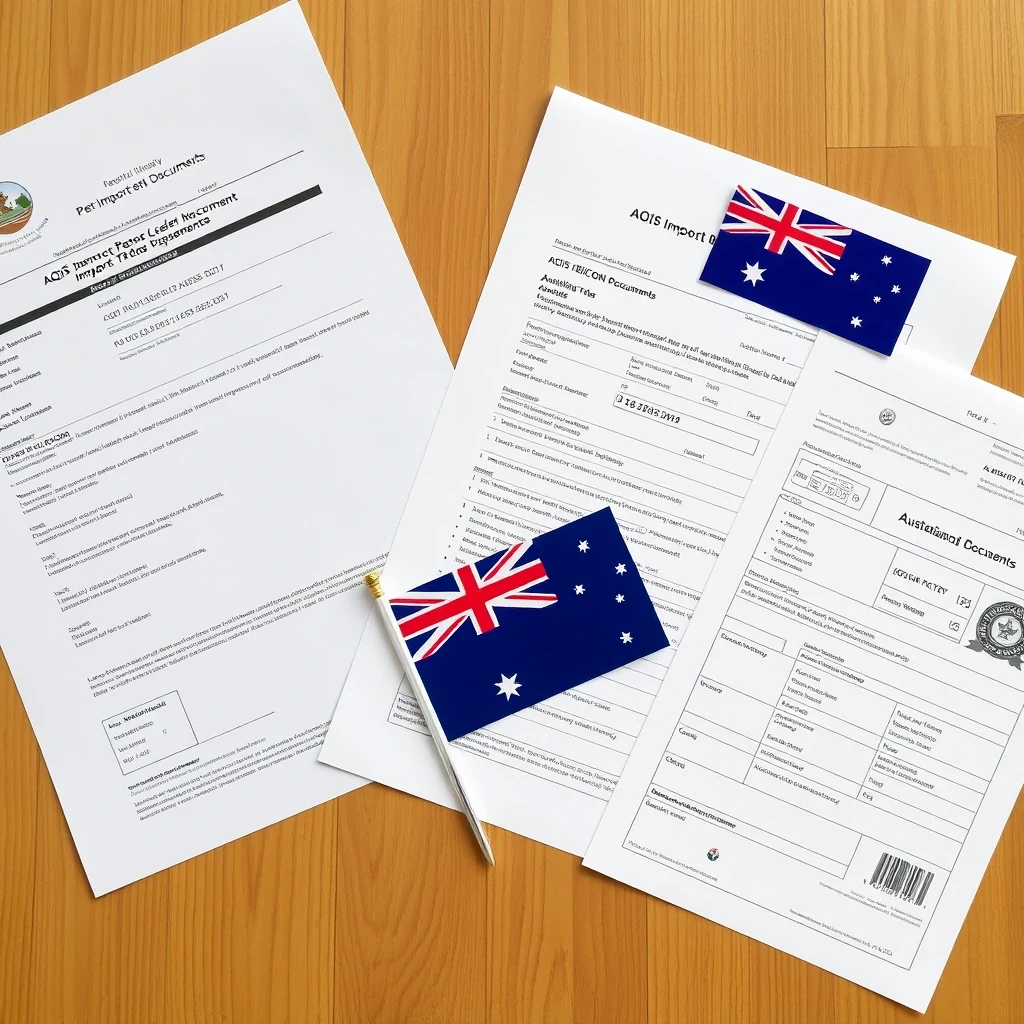
Australia has one of the strictest pet import regimes in the world: 180+ day prep timeline, mandatory 10-day post-arrival quarantine at the Mickleham Post-Entry Quarantine (PEQ) facility near Melbourne, AQIS (now DAFF) import permit required, RNATT rabies titer test, ISO microchip, multiple parasite treatments. Total cost from US typically $8,000-$15,000 including airline cargo ($3,000-$6,000), AQIS permit ($240-$480), Mickleham quarantine ($2,000-$3,500), pet relocation service ($2,500-$5,000 typical for owners who use one). Direct cargo only via approved airlines into Melbourne, Sydney, or Perth.
Pet transport to Australia is one of the most complex international pet moves: 180+ day prep timeline, mandatory 10-day quarantine at the Mickleham Post-Entry Quarantine Facility, AQIS import permit, RNATT rabies titer, and approved-airline cargo-only entry. Total cost $8,000-$15,000 from the US. This guide covers the BICON process step-by-step, real cost data, and why most owners use a pet relocation service for this destination.
For the full method comparison before you book, see how to transport a pet, and our Hawaii pet transport guide covers another strict-quarantine destination.
Planning a bigger move? Our pet relocation hub covers routes, destinations, and every transport method.
Considering New Zealand instead? NZ has the world's strictest pet import. Our 7-month NZ relocation guide covers the MPI permit, FAVN titer 180+ days out, 10-day Auckland PEQ quarantine, and the $5,000-$10,000+ realistic cost.
See also How to Find Pet-Friendly Hotels.
For a deeper dive, see our guide to pet transport to portugal from the us in 2026: requirements and cost.
Related reading: pet transport to south korea from the us: dog and cat import requirements + military pcs guide (2026).
If you are weighing your options, our guide to amtrak pet policy: how to take your dog or cat by train goes further.
Australia is one of the strict quarantine destinations, compared with others in pet quarantine rules by country.
Total cost breakdown
| Line item | Cost range (USD) | Notes |
|---|---|---|
| Airline cargo (US to MEL/SYD/PER) | $3,000–$6,000 | Depends on pet weight + crate size |
| AQIS import permit | $240–$480 | BICON application; 4-6 wk issuance |
| RNATT rabies titer test | $150–$300 | Must be 180+ days before arrival |
| USDA vet exam + APHIS endorsement | $300–$600 | Within 5 days of departure |
| Parasite treatments (multi-stage) | $200–$400 | 30, 14, 5 days before departure |
| IATA-compliant crate | $200–$800 | Size-dependent |
| Mickleham PEQ 10-day quarantine | $2,000–$3,500 | Mandatory on arrival |
| Pet relocation service (optional) | $2,500–$5,000 | Recommended; covers all logistics |
The 180-day rule explained
The strictest part of Australia's pet import regime is the RNATT (Rabies Neutralising Antibody Titre Test) timing. Blood for the titer must be drawn at least 180 days before your pet arrives in Australia. The titer result must be at least 0.5 IU/mL. Result validity is 12 months. This 180-day buffer is non-negotiable; AQIS will deny entry to pets that don't meet it.
Working backward from your move date: blood draw 6+ months before departure. Rabies vaccination must be current at time of blood draw (and the vaccination must be after the microchip implant). If your pet doesn't have an ISO chip, that's step zero.
Approved airlines and entry airports
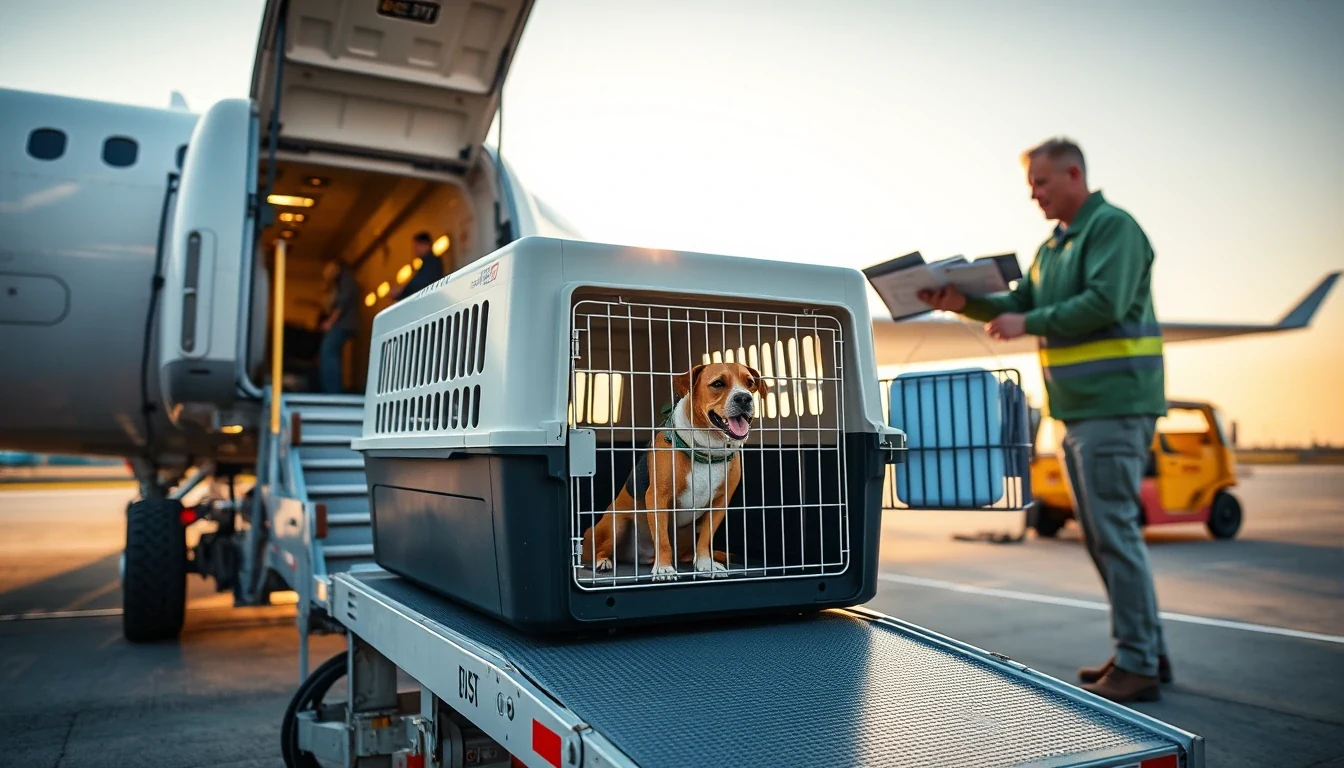
Pets must arrive at Melbourne (MEL), Sydney (SYD), or Perth (PER). Approved cargo airlines from the US: Qantas (cargo only), United Airlines PetSafe, Air New Zealand (via Auckland transit), American Airlines (cargo to Sydney). In-cabin pets are not permitted on flights to Australia under any circumstances. Service animals require advance approval.
Restricted and banned breeds
- Banned entirely: Dogo Argentino, Fila Brasileiro, Japanese Tosa, American Pit Bull Terrier, Perro de Presa Canario.
- Brachycephalic restrictions: French Bulldogs, Pugs, English Bulldogs face cargo restrictions on Qantas and some other carriers. Check with airline before booking.
- Special permits: some working/guard breeds may require additional documentation.
Why most owners use a relocation service
AQIS BICON paperwork has multiple deadlines that must be met in exact sequence. Missing one step can trigger denied entry or extended quarantine. Pet relocation services with Australia experience handle: BICON application submission, vet coordination, parasite treatment timing, crate sourcing, freight booking, USDA APHIS endorsement, and Mickleham logistics. Established providers: Jetpets, Petraveller, Dogtainers (Australian-based), WorldCare Pet Transport, Pet Express. Cost $2,500-$5,000 typical, usually worth it for this destination.
See our best pet transport companies 2026 round-up for our overall operator analysis, and our WorldCare review for our take on one Australia-experienced provider.
Mickleham PEQ: what to expect
Mickleham Post-Entry Quarantine Facility is run by the Department of Agriculture (DAFF). Located in Mickleham, Victoria (near Melbourne airport). All dogs and cats arriving from US enter the mandatory 10-day quarantine. Pets are housed in climate-controlled kennels (separate dog and cat sections), receive daily veterinary welfare checks, and have outdoor exercise yards. Visits are not permitted during quarantine.
After 10 days and successful final inspection, pet is released to owner pickup at the facility. Owner must arrange transport from Mickleham to final destination within Australia (rental car or pet ground transport).
Country group tiers: why your origin country matters
Australia does not treat all departure countries the same. The Department of Agriculture (DAFF) sorts the world into three approved groups based on rabies risk, and your group decides how much testing you need.
- Group 1 (rabies-free): New Zealand, Norfolk Island, and Cocos (Keeling) Islands. Simplest pathway, no RNATT titer needed.
- Group 2 (rabies-controlled): a list of low-risk countries with moderate requirements.
- Group 3 (rabies-present): the United States sits here, alongside Canada, the UK, most of the EU, and much of Asia. Group 3 is the most demanding tier and is the one this guide is built around.
Countries that appear in no group at all (China, Thailand, Indonesia, and most of Southeast Asia) cannot send pets directly. A pet must first move to a Group 2 or Group 3 country and live there at least 180 days before it qualifies for Australian entry. If you are routing a pet through a non-approved country, build that six-month residency into your plan before you book anything.
What is different for cats
Most of this guide applies to both species, but cats carry extra parasite steps that catch owners out.
- Internal parasites: dogs and cats both need two internal parasite treatments 14 days apart, effective against nematodes and cestodes, given by a government-approved vet, with the second treatment within 5 days of export.
- External parasites (cats): cats need a topical tick-and-flea treatment at least 21 days before travel, then continued examination and treatment at every subsequent vet visit right up to export.
- Bengal ban (effective 1 March 2025): the old exemption for 5th-generation (F5) Bengal cats was revoked. Bengals are now effectively barred, with only a narrow transition for cats that had exemptions applied before 28 February 2025. If you own a Bengal, confirm eligibility with DAFF before spending on any tests.
For a contrasting strict-quarantine destination with its own cat rules, see our pet transport to New Zealand guide.
Working the timeline backward from arrival
The single mistake that costs owners thousands is starting the RNATT titer too late. Build the calendar in reverse from your intended Mickleham arrival date.
- Arrival day (Day 0): pet lands at MEL, SYD, or PER and enters the 10-day quarantine.
- Minus 5 days: second internal parasite treatment and the final pre-export vet exam window.
- Minus 5 to 45 days: import permit must be valid, parasite treatments staged, USDA APHIS endorsement secured.
- Minus 180 days (at least): RNATT blood draw. This is the hard floor. The titer must be drawn at least 180 days before arrival.
- Minus 7 months or more: microchip first, then rabies vaccination, then wait before the titer draw.
Practically, most US owners need 6 to 7 months from the first vet visit to wheels-down. There is no way to compress the 180-day RNATT buffer. For a method-by-method primer before you commit, read how to transport a pet.
Common mistakes that cause denial or extra quarantine
- Vaccinating before microchipping. Any rabies vaccine given before the ISO chip is implanted does not count. The chip must come first.
- Drawing the RNATT titer too early in the vaccine cycle or too late in the 180-day window. Both push your eligible arrival date.
- Letting the import permit lapse. Permits have validity windows; an expired permit means re-applying and re-paying.
- Skipping the external parasite schedule for cats. Inspectors check at the border, and a missed treatment can trigger extended quarantine at your cost.
- Booking a non-approved arrival airport. Only Melbourne, Sydney, and Perth accept pets. A connection through the wrong city can void the plan.
Frequently asked questions
How much does it cost to ship a pet to Australia from the US?
How long does pet transport to Australia take?
What is the Mickleham PEQ?
What is the RNATT rabies titer test?
Which airlines fly pets to Australia from the US?
Can I bring my dog to Australia in-cabin?
Are any dog breeds banned from Australia?
Should I use a pet relocation service for Australia?
Is the United States a Group 1, 2, or 3 country for Australian pet import?
Are Bengal cats allowed into Australia?
What extra steps do cats need that dogs do not?
Requirements from Australian Department of Agriculture (DAFF), BICON system, and USDA APHIS Australia pet travel. May 2026. We refresh annually.
Sources & references
- agriculture.gov.au https://www.agriculture.gov.au/biosecurity-trade/cats-dogs
- bicon.agriculture.gov.au https://bicon.agriculture.gov.au
- aphis.usda.gov https://www.aphis.usda.gov/pet-travel/countries/australia
- iata.org https://www.iata.org/lar