
A dog that likes daycare pulls toward the door at drop-off, comes home happy-tired rather than frazzled, and is calmer and less destructive at home. A dog that dislikes it hides at drop-off, comes home wired or withdrawn, and may regress on training or lose weight. Watch the pattern across drop-off, pick-up, and home, and trust what your dog is telling you.
Your dog cannot tell you whether they enjoyed daycare, so you have to read it. The good news is that dogs are honest communicators. They tell you with their body at drop-off, with their state at pick-up, and with their behavior at home over the following days. This guide walks through the positive signs that mean daycare is working, the negative signs that mean it is time to rethink, and what to do if daycare turns out not to suit your dog.
For a trainer-backed checklist of what canine contentment actually looks like, see the American Kennel Club on how to tell if your dog is happy.
A dog that loves daycare is often learning from it too. Here is how daycare helps with socialization, and where it can backfire.
Positive signs at drop-off
Drop-off is the most honest moment of the day, because your dog has not yet been worn out by anything. A dog that genuinely likes daycare gives itself away here.
- Recognition and excitement. Many dogs perk up when they realize where the car is heading, looking eagerly out the window as you pull in.
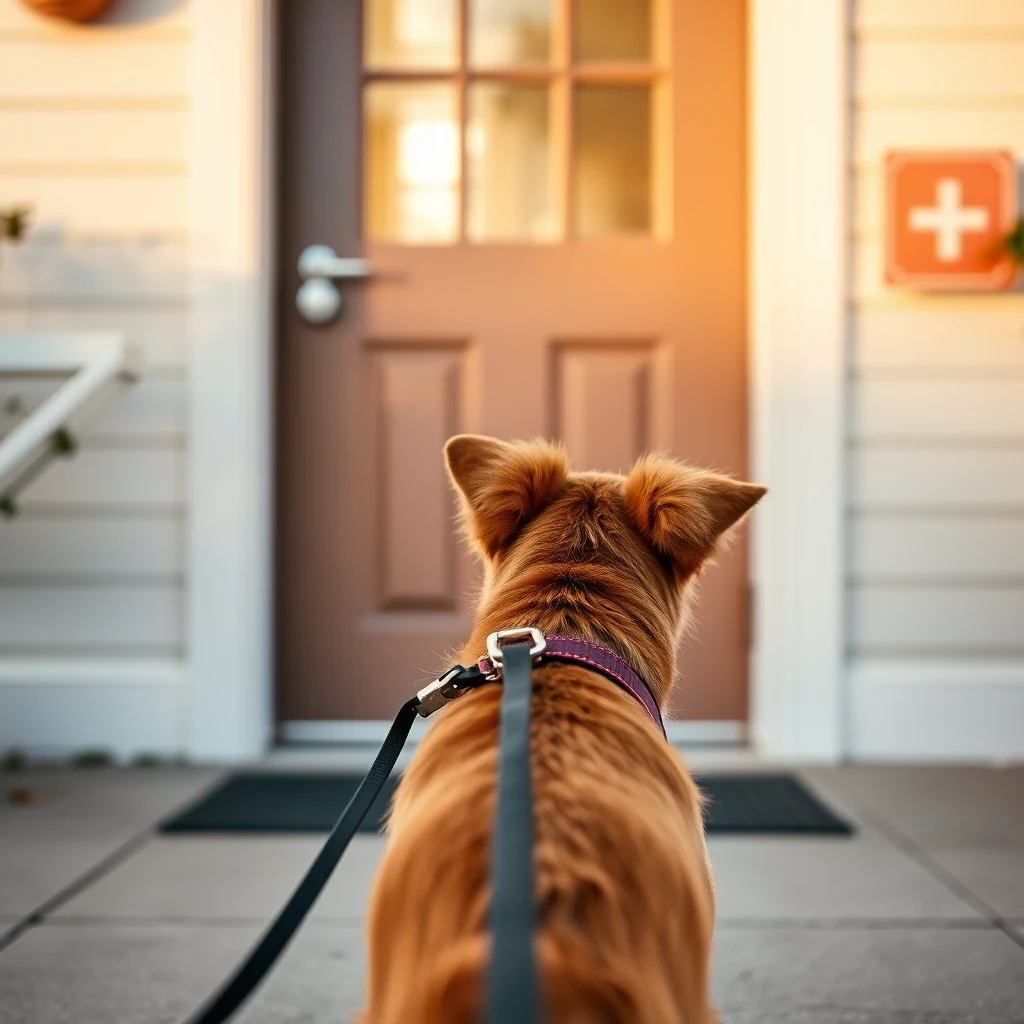
- Pulling toward the entrance. A confident, eager dog leans into the leash toward the door rather than away from it.
- Loose, happy body language. Per AKC guidance on reading dogs, you want a relaxed body, a naturally wagging tail, soft eyes, and an open relaxed mouth. That is a dog that feels safe.
- Comfort with the staff. Your dog greets familiar staff happily and is willing to go with them.
Positive signs at pick-up
Your dog will not have the same bounce at pick-up that they had at drop-off, and that is fine. Daycare wears dogs out. What you are looking for is the kind of tiredness.
- Happy-tired, not frazzled. A relaxed face, a loose body, soft panting that can look like a smile. Content and worn out, not agitated.
- They do not want to leave. It sounds backwards, but a dog that tries to pull you back inside is telling you the place feels familiar and safe, like a second home.
- Calm reunion. Glad to see you but not frantic or desperate, which would suggest the day was stressful.
- No injuries or distress. No limping, no nervous trembling, no fearful body posture as you collect them.
Worth saying clearly: a dog can love daycare and still come home exhausted. Enjoyment and tiredness arrive together. If you want the full picture on post-daycare fatigue, see our guide to why your dog is so tired after daycare.
Positive signs at home
The clearest evidence shows up over the days and weeks after, not in any single moment. Daycare that suits a dog tends to improve life at home.
- Better behavior. A dog getting enough physical and mental outlet is usually calmer and easier to live with.
- Less anxiety and destruction. Boredom-driven chewing, digging, and excessive barking often ease when a dog has a satisfying outlet.
- Settled and content. Your dog sleeps well, eats normally, and seems relaxed rather than wound up.
- Steady enthusiasm. Over weeks, your dog stays eager about going. Enthusiasm that holds is the strongest single sign.
What should a good staff report sound like?
You only see drop-off and pick-up. Staff see the hours in between, so their reports are valuable, but only when they are specific. A useful report tells you which dogs yours played with, how they handled rest breaks, whether they ate, and any small notes about the day. Specific detail means staff actually know and observe your individual dog. A vague, all-positive report with no detail, or staff who cannot answer simple questions about your dog, is a yellow flag worth following up on. The AKC recommends asking facilities directly how they group dogs and supervise play.
How long before a dog settles in?
Before reading any signs as a verdict, factor in adjustment time. The first visit or two is a flood of new smells, sounds, dogs, and people, and almost every dog is somewhat overwhelmed on day one. That is not dislike. It is novelty. Most dogs need a handful of sessions to learn the routine, recognize the staff, and find their footing in a play group. A dog that seems hesitant on the first visit but a little more comfortable on each one after is settling in normally, and that is exactly the trajectory you want to see.
This is why patience matters before you judge. Read the trend, not the snapshot. Genuine dislike shows up as signs that hold steady or get worse over repeated visits, not as first-day nerves that ease. Give a new facility at least two or three sessions, and ask staff how your dog did once you were gone, before you decide whether it is working.
Signs your dog does NOT like daycare
Now the other side. These signs do not mean you did something wrong. Some dogs simply are not suited to group daycare, and recognizing that early is good ownership. Use the table to compare.
| Moment | Likes daycare | Does not like daycare |
|---|---|---|
| Drop-off | Eager, pulls toward the door, loose body | Hides, plants feet, retreats to the car, tucked tail |
| Pick-up | Happy-tired, relaxed, slow to leave | Frazzled, bolts for the exit, trembling or fearful |
| That evening | Settles, sleeps well, content | Wired and cannot come down, or withdrawn and shut off |
| Following days | Calmer, less destructive, steady enthusiasm | New anxiety, clinginess, destructive behavior |
| Training | Holding steady or improving | Regression, such as house-training slips |
| Body and appetite | Normal weight and eating | Reduced appetite, weight loss (a serious sign) |
A few details to keep in mind. Stressed dogs often show displacement behaviors, the small signs the ASPCA describes for anxious dogs: yawning out of context, lip-licking, turning away, or sudden scratching when not itchy. And one rough day is not a verdict. Dogs have off days like people do. What you are looking for is a repeated pattern, not a single bad afternoon.
What should you do if your dog dislikes daycare?
If the negative signs keep showing up, work through these steps in order.
- Give it a fair trial first. Many dogs need several visits to settle in. Real settling-in nerves and genuine dislike can look the same in week one. Allow a few sessions before judging.
- Talk to the facility. Ask about smaller play groups, shorter half-days, or a quieter room for calmer dogs. A good daycare will work with you, and adjustments often fix the problem. The right setup matters, so review doggy daycare requirements and our doggy daycare hub for what to look for.
- Try a different facility. Daycares vary enormously in size, noise, supervision, and how they group dogs. A dog that struggles at a large, loud facility may do well at a smaller, calmer one.
- Consider a different model entirely. Daycare is not mandatory. A dog walker gives exercise and a midday break without group-play pressure. A pet sitter offers one-on-one company at home. For independent or anxious dogs, these often beat group daycare. Our comparison of daycare vs a dog walker vs boarding lays out which model suits which dog, and you can weigh the tradeoffs against the cost of doggy daycare.
The goal is not to make your dog like daycare. It is to find the arrangement that genuinely suits them. A confident, social dog may thrive in a busy group. A more independent or anxious dog may be far happier with a walker or sitter. Both outcomes are good ownership. Let your dog's signals lead the decision.

Frequently asked questions
How do I know if my dog likes daycare?
What are the signs a dog does not like daycare?
Is my dog stressed at daycare or just tired?
What should a good daycare staff report sound like?
What should I do if my dog does not like daycare?
Can a dog like daycare and still come home exhausted?
How we researched this
This guide draws on American Kennel Club guidance on choosing a daycare and reading canine body language, ASPCA material on dog anxiety and displacement behaviors, and American Veterinary Medical Association guidance on socialization. The behavioral signs are framed as patterns to observe over time rather than single-incident verdicts. This article is general information and not a substitute for professional behavioral or veterinary advice. If your dog shows persistent stress or anxiety, consult your veterinarian or a qualified behaviorist.
Sources & references
- akc.org https://www.akc.org/expert-advice/advice/choosing-a-doggy-daycare/
- aspca.org https://www.aspca.org/pet-care/dog-care/common-dog-behavior-issues/dog-anxiety
- avma.org https://www.avma.org/resources-tools/pet-owners/petcare/socializing-your-dog
- akc.org https://www.akc.org/expert-advice/training/dog-body-language/
- akc.org https://www.akc.org/expert-advice/health/separation-anxiety/