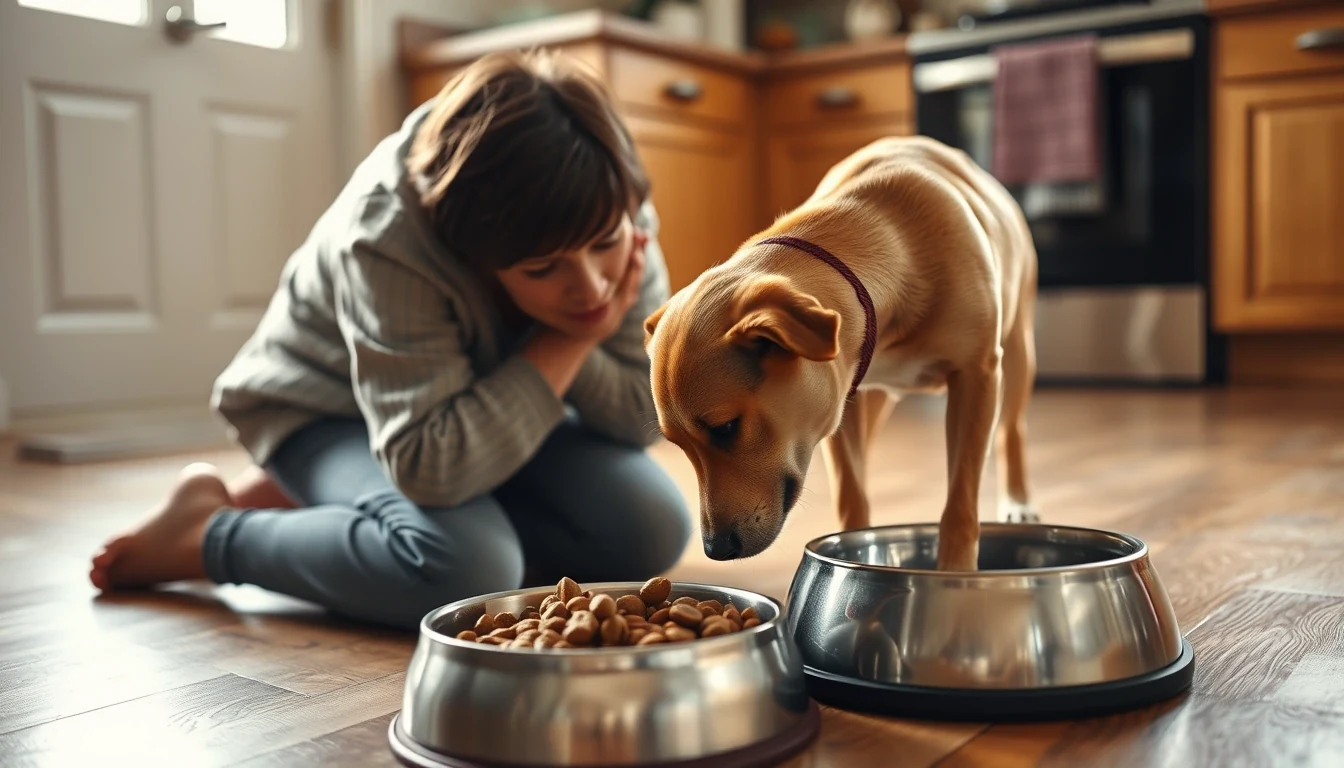
A dog skipping meals for a day or so after boarding is common and usually down to stress, routine disruption, and tiredness rather than illness. Most dogs are eating normally again within 24 to 48 hours. Keep meals familiar and low pressure, and call your vet if the refusal lasts beyond 48 hours or comes with vomiting, diarrhea, lethargy, or no drinking.
You collected your dog from boarding, put down a bowl of the usual food, and your dog sniffed it and walked away. It is one of the most common worries owners bring home from a kennel. The reassuring news first: a short appetite dip after boarding is normal, usually stress-related rather than a sign of illness, and most dogs are eating normally again within a day or two. This guide explains why it happens, how to tell normal from not normal, what to do at home, and the clear warning signs that mean it is time to call your vet.
Mingling with other dogs is part of why appetite and behavior can shift afterward; the AVMA explains the stress and health factors in dogs' social lives and disease risks.
Appetite and rest often move together. For the sleep side, see how dogs sleep during a stay and the normal night-by-night arc.
If a smaller appetite comes with diarrhea or vomiting, see our guide to a dog that is sick after boarding for what is normal and when to call the vet.
Why won't my dog eat after boarding?
A few overlapping causes are at work, and most dogs are dealing with more than one of them at once. Vets and behavior sources sometimes call this post-boarding apprehension: a temporary loss of interest in food after a stay away from home. It is common enough that many boarding facilities mention it to owners on pickup.
- Stress. This is the big one. A boarding stay means an unfamiliar environment, strange smells, the sounds of other dogs, and new people handling your dog. Stress triggers the fight-or-flight response, which diverts the body's energy away from digestion. A stressed dog simply does not feel hungry. The VCA notes that stress and anxiety are well-recognized drivers of appetite loss in dogs.
- Routine disruption. Dogs are creatures of habit. Meal timing, the bowl, the room, even the person feeding them all change at a kennel and change again at homecoming. That whiplash can knock appetite off for a day.
- Environment change. Some dogs eat poorly anywhere that is not home, then come home keyed up and still off their food until they settle.
- Mild gastrointestinal upset. Stress, plus any treats or diet changes during the stay, can leave a stomach a little unsettled. A dog with a slightly queasy gut will often skip a meal.
- Plain tiredness. Many boarding facilities are busy and social. Dogs often play hard and sleep poorly, and come home worn out. A tired dog tends to have a smaller appetite and may want to sleep before it wants to eat.
The common thread is that none of these are illness. They are the normal aftershocks of a big change in your dog's week. For more on choosing a low-stress facility in the first place, see our guide to how to choose a good dog boarding facility and our comparison of in-home boarding versus a kennel.
What counts as normal, and what does not?
This is the question most owners actually want answered. The honest version: there is a normal range, and there is a line past which you stop waiting and pick up the phone.
Generally normal
- Skipping the first meal home, or eating only part of it.
- A smaller appetite for the first 24 hours that visibly improves by the second day.
- Being sleepy and wanting to rest more than usual for a day or two.
- Still drinking water normally even while eating less.
- Being a little clingy, subdued, or quiet on the first evening home.
Not normal: time to involve your vet
- No eating at all beyond 48 hours after coming home.
- Vomiting, especially repeated vomiting.
- Diarrhea that lasts more than a day or two, or that contains blood.
- Lethargy that is getting worse rather than better, or a dog that is hard to rouse.
- Refusing to drink water, or signs of dehydration such as tacky gums.
- Obvious pain, a swollen or tense belly, or persistent whining.
The simple rule of thumb: a dog that is a little off but trending better each day is usually fine. A dog that is getting worse, or that has any of the warning-sign symptoms above, needs a vet rather than another day of waiting.
What should I do at home if my dog won't eat?
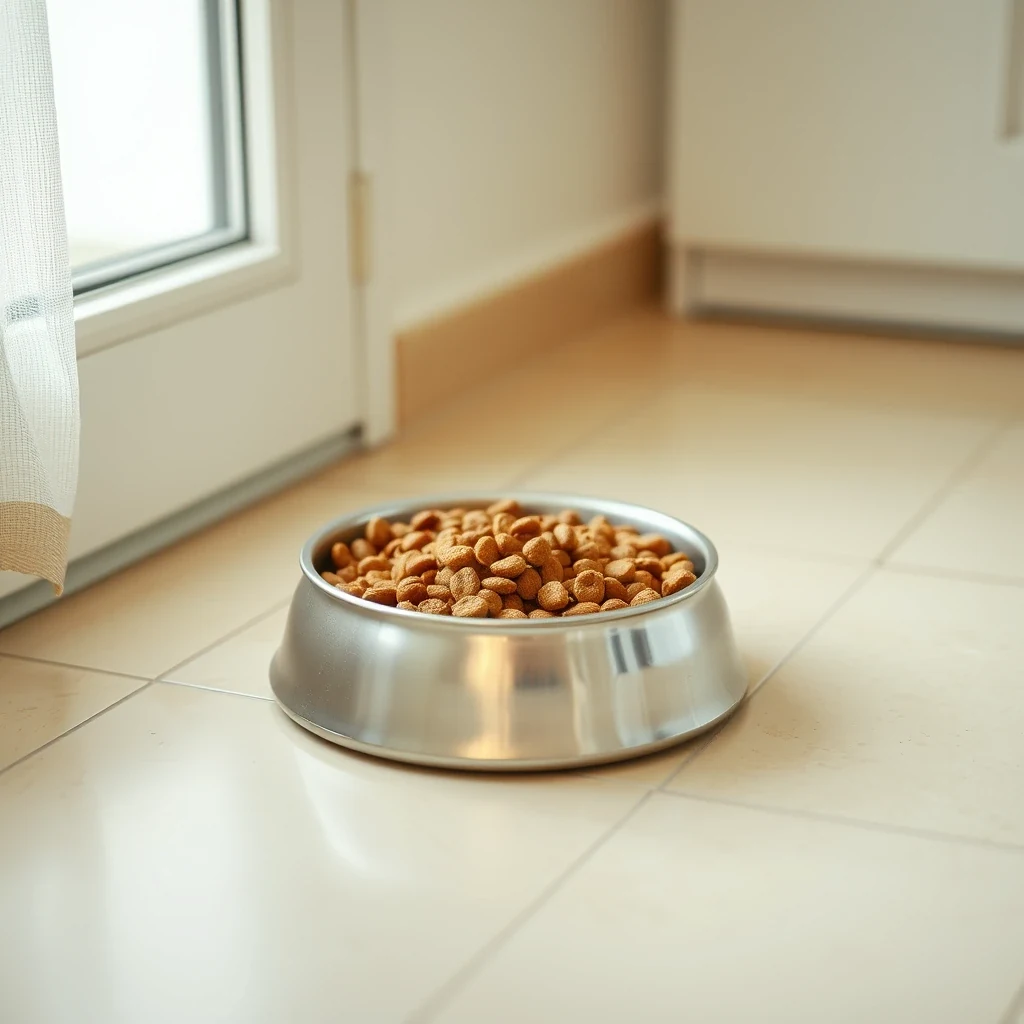
The goal for the first day or two is to lower the pressure and let your dog settle back into its old life. Most of this is about doing less, not more.
- Set up a calm, quiet feeding spot. Feed in the same low-traffic place you always use, away from noise and other pets. A stressed dog eats better when it feels unobserved and safe.
- Use the familiar bowl and the normal food. Keep everything recognizable. The same bowl, the same food, the same spot is exactly the consistency a recovering dog wants.
- Stick to the normal schedule. Offer meals at the usual times. Put the food down for 15 to 20 minutes, then lift it if untouched, and try again at the next normal mealtime. This rebuilds the routine without making a meal a standoff.
- Do not pile on treats, toppers, or new foods. It is tempting, but tempting with extras can backfire. It teaches a dog to hold out for the better offer, and rich additions can upset a stomach that is already sensitive. Plain, familiar food is the right call.
- Make sure water is always available. Drinking matters more than eating in the short term. Check that your dog is drinking normally.
- Let your dog rest. Keep the homecoming low-key. A quiet evening, a familiar bed, and time to decompress often does more for appetite than anything you put in the bowl.
- Get back to normal life gently. A short, gentle walk and the usual routine help signal that things are back to normal, which is reassuring for an unsettled dog.
If your dog has mild, short-lived loose stools alongside the appetite dip, a quiet rest area and the normal food usually let things settle. If you are considering a bland diet, ask your vet first rather than improvising, especially for puppies, senior dogs, or dogs with existing health conditions.
When should I call my vet?
This is the section to take seriously. A short appetite dip is fine to wait out. The following are not, and they mean you should contact your veterinarian rather than continue watching at home:
- No eating beyond 48 hours. Most dogs are back to normal within a day or two. A complete refusal that passes the 48-hour mark warrants a vet visit to rule out anything beyond stress.
- Vomiting. An occasional single episode may settle, but repeated vomiting, or vomiting combined with not eating, needs veterinary attention.
- Diarrhea that lingers. Loose stools for more than a day or two, blood in the stool, or diarrhea combined with vomiting or lethargy all justify a call.
- Lethargy. A tired dog that perks up over a day is normal. A dog that is increasingly flat, weak, or unwilling to move is not.
- Not drinking. Refusing water, or signs of dehydration, is more urgent than not eating. Do not wait on this one.
- Pain or distress. Whining, a tense or swollen abdomen, restlessness, or any sign your dog is hurting deserves prompt advice.
Trust your read on your own dog, too. You know its normal better than anyone. If something feels wrong even without a textbook symptom, a phone call to your vet costs nothing and is always the safer move. Underlying issues can occasionally surface around a boarding stay, and a vet can quickly tell stress from something that needs treatment.
How can I prevent this next time?
You cannot remove every ounce of stress from boarding, but you can shrink it. A few habits make the next homecoming smoother:
- Send the regular food. Pack enough of your dog's normal food for the whole stay, with clear portion instructions, so the diet never changes.
- Ask the facility to skip unfamiliar treats. Tell them in writing what your dog can and cannot have. Fewer diet surprises means less stomach upset.
- Do a trial run. A daycare day or a single overnight before a longer stay makes the place familiar, which lowers stress next time.
- Send a comfort item. A familiar blanket, bed, or toy that smells of home can settle a dog in an unfamiliar kennel.
- Choose the facility carefully. A calm, well-run place with good ratios and quiet rest areas produces less stressed dogs. Cost is not the only factor, but it is worth knowing the range, which we cover in how much dog boarding costs, alongside our wider dog boarding guide.
- Keep homecoming calm. Resist the big emotional reunion and the extra food. Go straight back to the normal routine. Predictability is what a tired, unsettled dog wants most.
How long is it normal for a dog not to eat after boarding?
Why won't my dog eat after boarding?
Should I give my dog treats or toppers to get it to eat after boarding?
My dog has diarrhea and won't eat after boarding. Is that serious?
Is it normal for a dog to be tired and not eat after boarding?
How can I prevent my dog from refusing food after the next boarding stay?
How we put this guide together
This article draws on veterinary and animal-welfare sources covering appetite loss, stress, and gastrointestinal upset in dogs, including the American Kennel Club, the American Veterinary Medical Association, and VCA Animal Hospitals, alongside veterinary-clinic guidance on post-boarding symptoms. We focus on the realistic, common picture most owners face: a short, stress-driven appetite dip that resolves on its own. It is general guidance and not a substitute for veterinary advice. If your dog shows any of the warning signs in this article, contact your veterinarian.
Sources & references
- akc.org https://www.akc.org/expert-advice/health/why-is-my-dog-not-eating/
- avma.org https://www.avma.org/resources-tools/pet-owners/petcare/boarding-your-pet
- vcahospitals.com https://vcahospitals.com/know-your-pet/anorexia-in-dogs
- vcahospitals.com https://vcahospitals.com/know-your-pet/stress-and-anxiety-in-dogs
- undertheweatherpet.com https://www.undertheweatherpet.com/blogs/under-the-weather/post-boarding-apprehension-why-dogs-resist-eating
- heritageanimalhospital.com https://www.heritageanimalhospital.com/blog/2025/10/06/dog-diarrhea-causes-treatment-and-when-to-call-the-vet/