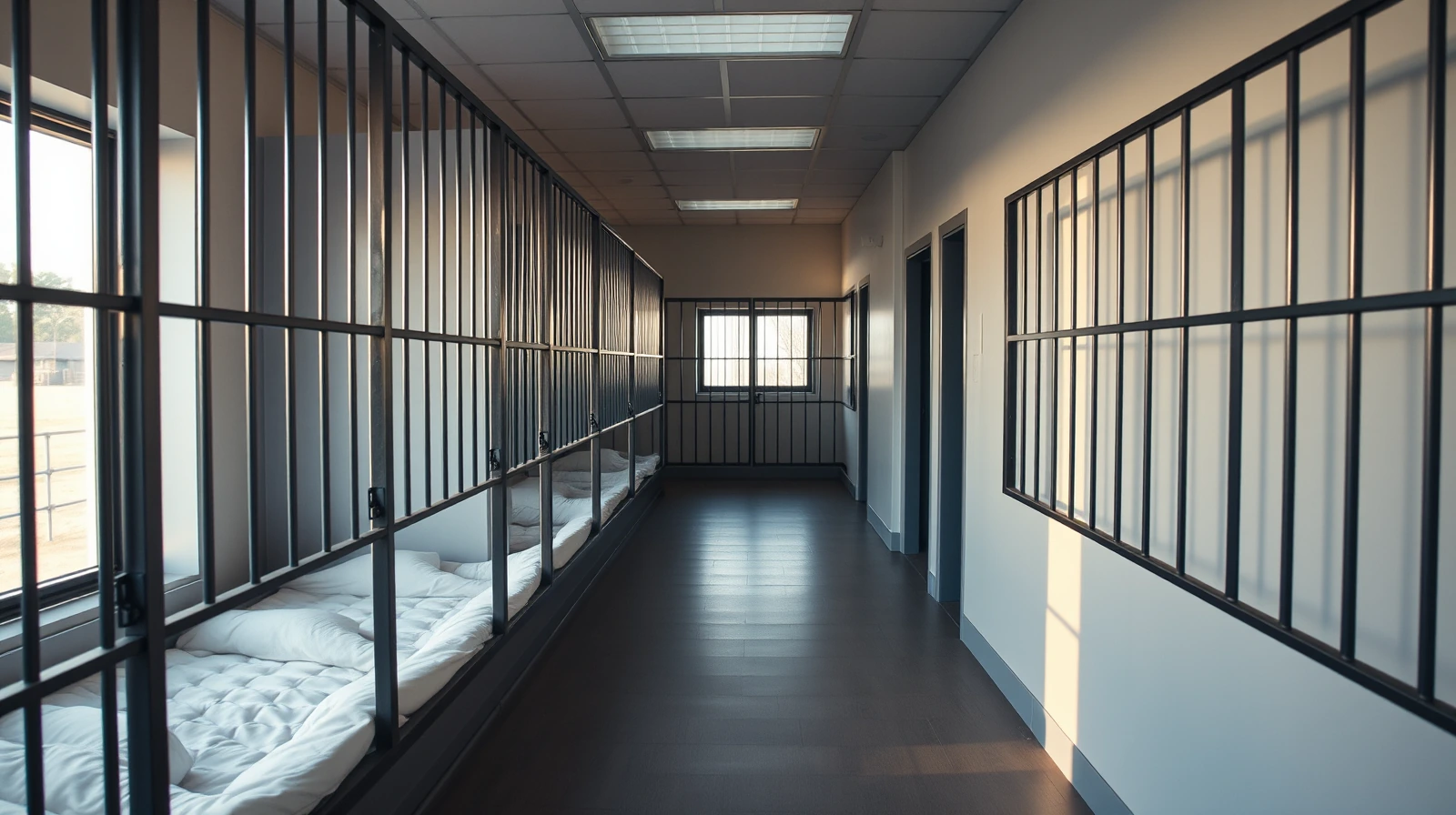
The biggest dog boarding red flags are: refusing a tour, no vaccine requirement, no temperament screening, no emergency protocol, dirty or smelly facilities, dismissive staff, overcrowded play areas, and zero communication about your dog. Two of these in one place is enough to walk away. Hotel pricing does not protect against bad practice. Some pet hotels charge double while running the same staffing as a mid-tier boarder. Our boarding vs hotel comparison covers the amenities that matter and the ones that do not.
The difference between a great boarding facility and a bad one is rarely subtle once you know what to look for. A few signs are obvious on the tour, others only show up in how the staff answers your questions, and a few only become clear after you board. Here are the 12 red flags that should send you elsewhere, grouped by where you will spot them.
For a deeper dive, see our guide to what vaccines does my dog need for boarding? a complete guide.
Red flags are only half the picture. After pickup, check signs your dog enjoyed boarding to confirm the stay went well.
For the bigger-picture view, we also cover how safe dog boarding really is and the factors that actually drive risk.
If you are seeing some of these red flags after an actual stay rather than during a tour, a dedicated guide to post-stay warning signs covers how to tell normal adjustment apart from a real reason to look elsewhere.
You may also find How to Stop a Dog From Digging useful for planning ahead.
For owners in a similar situation, our guide on How to Potty Train a Puppy: Schedule, Cue, and Timeline is worth a read.
If you're weighing this decision, our guide on When Is a Dog Considered a Senior? Age by Size and Breed walks through the details.
If you are weighing whether to board specifically during a household move, see should you board your dog during a move.
What you should see on a tour
1. They refuse to give you a tour
This is the single biggest red flag. A facility that will not show you the kennels, the play areas, the runs, and the staff areas is hiding something. "Insurance won't allow it" or "tours by appointment only at unusual times" are usually polite ways of saying no. A confident, well-run facility welcomes the tour and walks you through every space your dog will use.
2. Visibly dirty or strong-smelling kennels
Some smell is normal, kennels house dozens of dogs. But strong ammonia smell, visible feces, dirty drinking water, or general grime points to under-cleaning, which causes both disease and stress. Reputable facilities clean kennels at least daily and disinfect between guests.
3. Overcrowded play areas with weak supervision
If you see 20-plus dogs in one open room with one or two staff scrolling phones, walk. Good facilities cap groups at 10-15 with a 1:8 staff ratio (better for high-energy groups), actively watching body language and breaking up tension early.
4. Dogs visibly stressed and ignored
Some background barking is normal. What is not normal: dogs panting heavily with no water, repeatedly trying to escape their runs, freezing or cowering in corners, with staff not responding. That tells you how they will treat your dog the moment you leave.
What you hear when you ask
5. They do not require proof of vaccinations
A reputable facility requires rabies, DHPP, and Bordetella records from every dog before enrollment. If they shrug at vaccine paperwork, every dog there (yours included) is exposed to whatever the others bring in. This is non-negotiable.
6. No temperament screening
"We take any dog" sounds friendly, but it means the dog who starts the fight is welcome too. Good facilities require a behavior evaluation before enrollment, and they are willing to decline dogs they cannot safely group. This is especially critical for reactive dogs (covered in our reactive-dog boarding guide).
7. No clear emergency or vet protocol
Ask: "What happens if my dog gets sick or injured?" A pro answers step-by-step: assess, contact you, transport to your vet or the nearest emergency hospital, with a vet on call after hours. Vague answers ("we'd call you") mean they have not planned for an emergency before it happens.
8. Vague or evasive pricing
A reputable facility publishes its rates and any add-on fees (medication administration, extra walks, late pickup) on the website or in a printed sheet. Quotes that change between the phone call and the invoice are a quality and trust problem, not a clerical one. See our dog boarding cost guide for typical national rates.
9. Dismissive or disengaged staff
Staff who cannot tell you how often dogs are walked, who handles which playgroup, or what your dog's day will look like are not the people who should hold your dog's leash. Good staff are visibly engaged with the dogs around them and warm with owners.
What you notice after you book
10. No updates during the stay
You should not have to chase the facility for news. Good operations send at least one text or photo per day, especially in the first 24 hours of a new dog's stay. Radio silence usually means they are too busy, too understaffed, or both. Standard at this point in the industry.
11. Pattern of bad reviews on the same issues
One bad review proves nothing. A pattern of reviews citing the same issue (escapes, injuries, communication failures, dogs coming home sick) is a real signal. Look at Google Business and BBB, not just the facility's own site, and read the bottom three months of reviews, not the top three.
12. Your dog comes home in worse shape than expected
Some weight loss and tiredness after a long boarding stay is normal. What is not: visible wounds, persistent kennel cough, sustained appetite loss, sudden behavioral changes (new fearfulness, separation anxiety), or untreated injuries. If you see this after a stay, that facility does not get a second chance.
How to use the list
One red flag is sometimes a fixable misunderstanding (an off day, a new staffer). Two from this list in the same facility is enough to walk away. Three is a no, regardless of price or location. Pair this with our how to choose a boarding facility guide for the positive checklist, and our boarding vs pet sitting vs daycare piece if boarding turns out not to be the right format for your dog.
What is the single biggest red flag at a dog boarding facility?
Should I be worried if dogs are barking when I tour?
Is no temperament evaluation a deal-breaker?
How do I check on my dog while away?
What about price as a red flag?
What if my dog comes home sick?
The bottom line
Boarding picks are not just about clean kennels, they are about whether the people running the place have actually thought about safety, hygiene, and emergencies. Use the 12 red flags as a fast filter: spot two on a tour and you have learned everything you need to know. The right facility makes itself easy to choose, the wrong one makes itself easy to spot.
Beyond spotting red flags before you book, it is worth knowing what actually happens if the worst case occurs anyway. See our guide on what happens if your dog is injured at boarding.
Not every illness after a stay is caused by the kennel. Our guide to a dog that is sick after boarding explains the usual causes, from stress colitis to giardia, and when to see a vet.