How to Prepare Your Dog for Boarding: A 7-Day Plan

The biggest difference between a calm boarding stay and a stressful one is not the facility, it is the prep. Dogs who are dropped cold into an overnight stay take longer to settle, eat less, and come home more frazzled than dogs whose owners spent a week ramping up. The good news: the prep is…

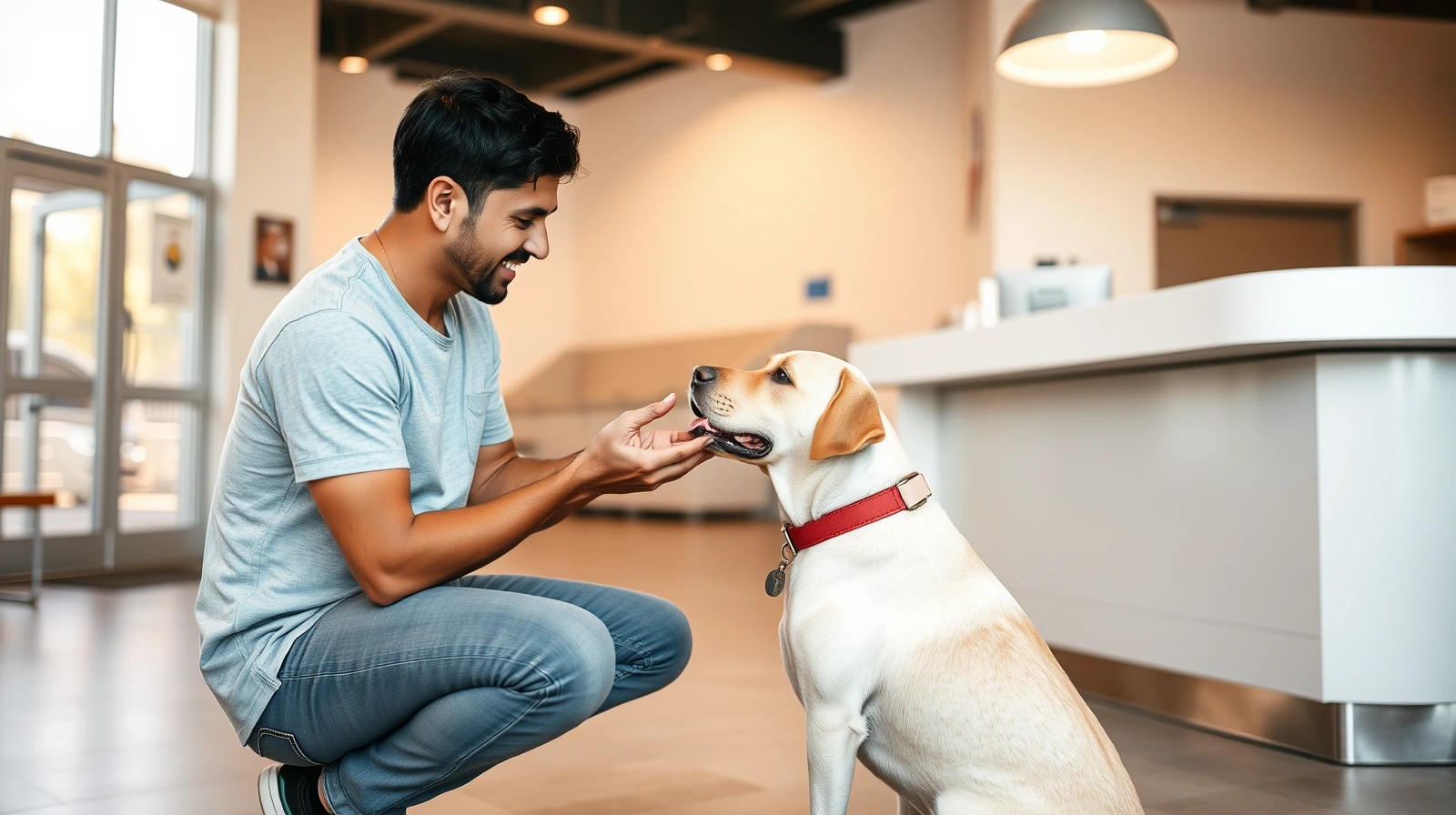
A confident dog owner giving a brief calm goodbye to a labrador at a clean dog boarding facility front desk

The biggest difference between a calm boarding stay and a stressful one is not the facility, it is the prep. Dogs who are dropped cold into an overnight stay take longer to settle, eat less, and come home more frazzled than dogs whose owners spent a week ramping up. The good news: the prep is straightforward. Here is a 7-day plan that works for first-time boarders and a tighter version for dogs who have been before.

[cc_quick_take]
Start preparing your dog for boarding 7 days out: confirm vaccines, schedule a half-day trial visit, write the routine for staff, gradually build alone time, and pack their own food and a scent item. On drop-off day, keep the goodbye short and matter-of-fact. The single biggest mistake is rushing the prep and dropping a cold first-timer into an overnight.

## Answer capsule
Prepare your dog for boarding over 7 days: confirm vaccines (DHPP, rabies, Bordetella), do a half-day trial visit at the facility, write the daily routine for staff, pack their own food and a scent item, and gradually extend their alone time at home. On drop-off, keep the handoff under 30 seconds: longer goodbyes raise the dog’s anxiety, not yours.

## BODY (Gutenberg / HTML blocks)

The biggest difference between a calm boarding stay and a stressful one is not the facility, it is the prep. Dogs who are dropped cold into an overnight stay take longer to settle, eat less, and come home more frazzled than dogs whose owners spent a week ramping up. The good news: the prep is straightforward. Here is a 7-day plan that works for first-time boarders and a tighter version for dogs who have been before.

For more boarding guidance, see our dog boarding hub.

The 7-day prep timeline

When Action
7 days out Confirm all vaccines current (DHPP, rabies, Bordetella, sometimes canine influenza). Get any boosters now, not on drop-off day.
5-6 days out Schedule a half-day trial visit if your dog has never boarded there before. A 3-4 hour daycare visit beforehand builds familiarity.
4 days out Write the routine document: feeding times, amounts, medications, walk preferences, sleep habits, quirks. Print or email to the facility.
3 days out Gradually increase alone time at home if your dog is not used to it. Practice calm departures without long goodbyes.
2 days out Wash and prep their bedding. Bring an unwashed t-shirt or pillowcase with your scent. Pre-portion food into labelled daily bags.
1 day out Light, normal day. Avoid dramatic walks, training pushes, or unusual food. You want them rested and on a normal stomach.
Drop-off day Normal morning routine. Short 30-second goodbye. Hand off the food, meds, scent item, and instructions. Walk out.
An organized kitchen counter with pre-portioned dog food in labelled bags, feeding instructions, a scent blanket and medications

Vaccines you must have done first

Almost every US boarding facility requires the following, with vaccine records uploaded or emailed before drop-off:

  • Rabies: required by law in all US states
  • DHPP (distemper, hepatitis, parvovirus, parainfluenza): standard core
  • Bordetella (kennel cough): standard for boarding and daycare, often required to be administered at least 7-14 days before the stay so it can take effect
  • Canine influenza (CIV): increasingly common, especially in metro areas with recent outbreaks

Get the Bordetella booster early, not the day before. The vaccine needs time to produce immunity, and a facility that knows its job will not accept a same-day Bordetella record. If your dog is also new to the facility, see our doggy daycare requirements guide, the daycare vaccine list is almost identical to the boarding list.

The trial visit (skip this only if your dog has boarded there before)

For a first-time boarder, a half-day visit a week before the real stay is the single highest-leverage step. The dog gets to:

  • Walk through the front door, smell the building, meet the staff
  • Spend time in the playgroup or kennel space without an overnight added
  • Have you come back same-day, which builds the association “this place is OK, my person comes back”

A dog who has done a trial visit settles into the real stay in hours, not days. A dog who has not often takes the first 24 to 48 hours to relax. That difference shows up in how much they eat (a worried dog skips meals, see our guide to when a dog won’t eat at boarding) and how they behave on pickup.

The routine document (the thing facilities wish more owners would write)

Spend 10 minutes writing this. Email it AND print a copy for the cubby. Include:

  • Feeding: times, amounts, food brand, anything mixed in, any foods that cause stomach upset
  • Medications: each med by name, dose, time, with-food or without, who prescribes it, what it is for
  • Walks and exercise: how often, how long, preferences (no other dogs, off-leash OK if applicable, avoid X)
  • Sleep habits: where they sleep, what time, blanket or bed preferences
  • Quirks: counter-surfing, fear of thunder, loves bellyrubs, hates having paws touched, etc.
  • Triggers: anything that reliably causes stress or reactivity
  • Your contact info plus a backup emergency contact
  • Vet info plus written authorization to seek treatment up to a stated dollar amount

This is the difference between a kennel that knows your dog and a kennel that is guessing. It is also the difference between an “is this dose normal?” 2 AM call and the staff handling it themselves. For the full picture of what good facilities look like before you commit, see how to choose a dog boarding facility.

What to pack (and what to leave home)

  • Their own food, pre-portioned in daily bags. Never let the kennel switch to house food, that causes GI upset on top of stress.
  • Medications in original containers with dosing in writing.
  • One scent item: an unwashed shirt of yours, a blanket from their bed. Familiar smell calms a stressed dog.
  • Their own bed or blanket if the facility allows.
  • Collar with ID. Most facilities remove harnesses for group play, see our boarding cluster on why.

Leave home: high-value chew toys (resource guarding in groups), anything irreplaceable, anything fragile, raw food (most facilities will not store it). For the full packing checklist see what to pack for dog boarding.

Behavioural prep: extending alone time

A dog who has never been alone for more than 2 hours will be shocked by an 8-hour gap in the kennel. In the 3-5 days before the stay:

  • Practice calm 2 to 4 hour absences at home, building up
  • Avoid theatrical farewells. Quiet exit, quiet return.
  • If your dog has known separation anxiety, talk to your vet about whether a short course of situational anti-anxiety medication is appropriate for the stay. See our guide on boarding anxious dogs for how trazodone is commonly used here.

Drop-off day: the 30-second goodbye

Dogs read your anxiety more than your words. A 5-minute teary goodbye tells your dog “this is a big deal and you should be worried.” A calm 30-second handoff tells them “this is normal, I will see you soon.”

  • Walk in like you mean it. Confident posture, light tone.
  • Hand off the food bags, the meds, the printed routine, the scent item.
  • Give the dog a brief pat, hand the leash over, walk out without turning back.
  • Most dogs settle within minutes of you leaving the building.

If you want a status update, ask the facility how they communicate. Most send at least one text or photo per day in the first 24 hours.

For the dog who has boarded before

If your dog has boarded at this facility before, you can compress the plan to 2-3 days: vaccine check, routine document refresh, food packing, light pre-day. The trial visit is unnecessary. The drop-off rules still apply.

How far in advance should I start preparing my dog for boarding?
One week is the sweet spot for a first-time boarder. That gives you time to confirm vaccines, do a half-day trial visit, write the routine document, and build alone-time tolerance. Dogs who have boarded at the same facility before need only 2 to 3 days of prep.
What vaccines does my dog need to board?
Rabies and DHPP (core), Bordetella for kennel cough, often canine influenza, all current. Bordetella in particular should be done 7 to 14 days before the stay because it needs time to take effect. Most facilities check vaccine records on arrival and will not accept dogs without them.
Should I do a trial visit before the actual boarding stay?
Yes, for first-time boarders. A half-day visit (3 to 4 hours) at the facility the week before the real stay builds familiarity. Dogs who have done a trial settle into the real stay in hours. Dogs who have not often take 24 to 48 hours to relax.
What is the single most common mistake when boarding a dog?
Dropping a first-time boarder cold into an overnight stay with no trial visit. Second most common: a long, anxious goodbye at drop-off. Both telegraph stress to the dog. The 7-day plan is built to prevent both.
Should I bring my dog’s own food to boarding?
Always. Pre-portion into daily labelled bags. Letting the facility switch to house food causes GI upset on top of the stress of boarding, almost guaranteed diarrhea. Bring more than you think you need; a small backup bag protects against a stay that runs longer.
Should I give my dog a calming aid for boarding?
For most dogs, the trial visit + routine prep is enough. For dogs with diagnosed separation anxiety or boarding-specific stress, ask your vet about short-term situational meds (trazodone is commonly prescribed). Do not self-medicate with over-the-counter supplements without checking with your vet first.

The bottom line

The week before your dog boards is more important than which facility you picked. Vaccines current, trial visit done, routine document written, alone time gradually extended, scent item packed, drop-off short and matter-of-fact. Do those six things and your dog settles in hours. Skip them and the first 24 to 48 hours are unnecessarily rough on everyone.

[/cc_quick_take]

The 7-day prep timeline

WhenAction
7 days outConfirm all vaccines current (DHPP, rabies, Bordetella, sometimes canine influenza). Get any boosters now, not on drop-off day.
5-6 days outSchedule a half-day trial visit if your dog has never boarded there before. A 3-4 hour daycare visit beforehand builds familiarity.
4 days outWrite the routine document: feeding times, amounts, medications, walk preferences, sleep habits, quirks. Print or email to the facility.
3 days outGradually increase alone time at home if your dog is not used to it. Practice calm departures without long goodbyes.
2 days outWash and prep their bedding. Bring an unwashed t-shirt or pillowcase with your scent. Pre-portion food into labelled daily bags.
1 day outLight, normal day. Avoid dramatic walks, training pushes, or unusual food. You want them rested and on a normal stomach.
Drop-off dayNormal morning routine. Short 30-second goodbye. Hand off the food, meds, scent item, and instructions. Walk out.

Vaccines you must have done first

Almost every US boarding facility requires the following, with vaccine records uploaded or emailed before drop-off:

  • Rabies: required by law in all US states
  • DHPP (distemper, hepatitis, parvovirus, parainfluenza): standard core
  • Bordetella (kennel cough): standard for boarding and daycare, often required to be administered at least 7-14 days before the stay so it can take effect
  • Canine influenza (CIV): increasingly common, especially in metro areas with recent outbreaks

Get the Bordetella booster early, not the day before. The vaccine needs time to produce immunity, and a facility that knows its job will not accept a same-day Bordetella record. If your dog is also new to the facility, see our doggy daycare requirements guide, the daycare vaccine list is almost identical to the boarding list.

The trial visit (skip this only if your dog has boarded there before)

For a first-time boarder, a half-day visit a week before the real stay is the single highest-leverage step. The dog gets to:

  • Walk through the front door, smell the building, meet the staff
  • Spend time in the playgroup or kennel space without an overnight added
  • Have you come back same-day, which builds the association “this place is OK, my person comes back”

A dog who has done a trial visit settles into the real stay in hours, not days. A dog who has not often takes the first 24 to 48 hours to relax. That difference shows up in how much they eat (a worried dog skips meals, see our guide to when a dog won’t eat at boarding) and how they behave on pickup.

The routine document (the thing facilities wish more owners would write)

Spend 10 minutes writing this. Email it AND print a copy for the cubby. Include:

  • Feeding: times, amounts, food brand, anything mixed in, any foods that cause stomach upset
  • Medications: each med by name, dose, time, with-food or without, who prescribes it, what it is for
  • Walks and exercise: how often, how long, preferences (no other dogs, off-leash OK if applicable, avoid X)
  • Sleep habits: where they sleep, what time, blanket or bed preferences
  • Quirks: counter-surfing, fear of thunder, loves bellyrubs, hates having paws touched, etc.
  • Triggers: anything that reliably causes stress or reactivity
  • Your contact info plus a backup emergency contact
  • Vet info plus written authorization to seek treatment up to a stated dollar amount

This is the difference between a kennel that knows your dog and a kennel that is guessing. It is also the difference between an “is this dose normal?” 2 AM call and the staff handling it themselves. For the full picture of what good facilities look like before you commit, see how to choose a dog boarding facility.

What to pack (and what to leave home)

  • Their own food, pre-portioned in daily bags. Never let the kennel switch to house food, that causes GI upset on top of stress.
  • Medications in original containers with dosing in writing.
  • One scent item: an unwashed shirt of yours, a blanket from their bed. Familiar smell calms a stressed dog.
  • Their own bed or blanket if the facility allows.
  • Collar with ID. Most facilities remove harnesses for group play, see our boarding cluster on why.

Leave home: high-value chew toys (resource guarding in groups), anything irreplaceable, anything fragile, raw food (most facilities will not store it). For the full packing checklist see what to pack for dog boarding.

Behavioural prep: extending alone time

A dog who has never been alone for more than 2 hours will be shocked by an 8-hour gap in the kennel. In the 3-5 days before the stay:

  • Practice calm 2 to 4 hour absences at home, building up
  • Avoid theatrical farewells. Quiet exit, quiet return.
  • If your dog has known separation anxiety, talk to your vet about whether a short course of situational anti-anxiety medication is appropriate for the stay. See our guide on boarding anxious dogs for how trazodone is commonly used here.

Drop-off day: the 30-second goodbye

Dogs read your anxiety more than your words. A 5-minute teary goodbye tells your dog “this is a big deal and you should be worried.” A calm 30-second handoff tells them “this is normal, I will see you soon.”

  • Walk in like you mean it. Confident posture, light tone.
  • Hand off the food bags, the meds, the printed routine, the scent item.
  • Give the dog a brief pat, hand the leash over, walk out without turning back.
  • Most dogs settle within minutes of you leaving the building.

If you want a status update, ask the facility how they communicate. Most send at least one text or photo per day in the first 24 hours.

For the dog who has boarded before

If your dog has boarded at this facility before, you can compress the plan to 2-3 days: vaccine check, routine document refresh, food packing, light pre-day. The trial visit is unnecessary. The drop-off rules still apply.

How far in advance should I start preparing my dog for boarding?
One week is the sweet spot for a first-time boarder. That gives you time to confirm vaccines, do a half-day trial visit, write the routine document, and build alone-time tolerance. Dogs who have boarded at the same facility before need only 2 to 3 days of prep.
What vaccines does my dog need to board?
Rabies and DHPP (core), Bordetella for kennel cough, often canine influenza, all current. Bordetella in particular should be done 7 to 14 days before the stay because it needs time to take effect. Most facilities check vaccine records on arrival and will not accept dogs without them.
Should I do a trial visit before the actual boarding stay?
Yes, for first-time boarders. A half-day visit (3 to 4 hours) at the facility the week before the real stay builds familiarity. Dogs who have done a trial settle into the real stay in hours. Dogs who have not often take 24 to 48 hours to relax.
What is the single most common mistake when boarding a dog?
Dropping a first-time boarder cold into an overnight stay with no trial visit. Second most common: a long, anxious goodbye at drop-off. Both telegraph stress to the dog. The 7-day plan is built to prevent both.
Should I bring my dog’s own food to boarding?
Always. Pre-portion into daily labelled bags. Letting the facility switch to house food causes GI upset on top of the stress of boarding, almost guaranteed diarrhea. Bring more than you think you need; a small backup bag protects against a stay that runs longer.
Should I give my dog a calming aid for boarding?
For most dogs, the trial visit + routine prep is enough. For dogs with diagnosed separation anxiety or boarding-specific stress, ask your vet about short-term situational meds (trazodone is commonly prescribed). Do not self-medicate with over-the-counter supplements without checking with your vet first.

The bottom line

The week before your dog boards is more important than which facility you picked. Vaccines current, trial visit done, routine document written, alone time gradually extended, scent item packed, drop-off short and matter-of-fact. Do those six things and your dog settles in hours. Skip them and the first 24 to 48 hours are unnecessarily rough on everyone.