Dog Won’t Eat at Boarding: Why It Happens and What to Do

You drop your dog at boarding, leave town, and a few hours later get the message: “She is not eating.” The first instinct is panic. The honest read: most dogs skip a meal or two at boarding, and most of the time it is stress, not illness. Here is when food refusal is normal, when…

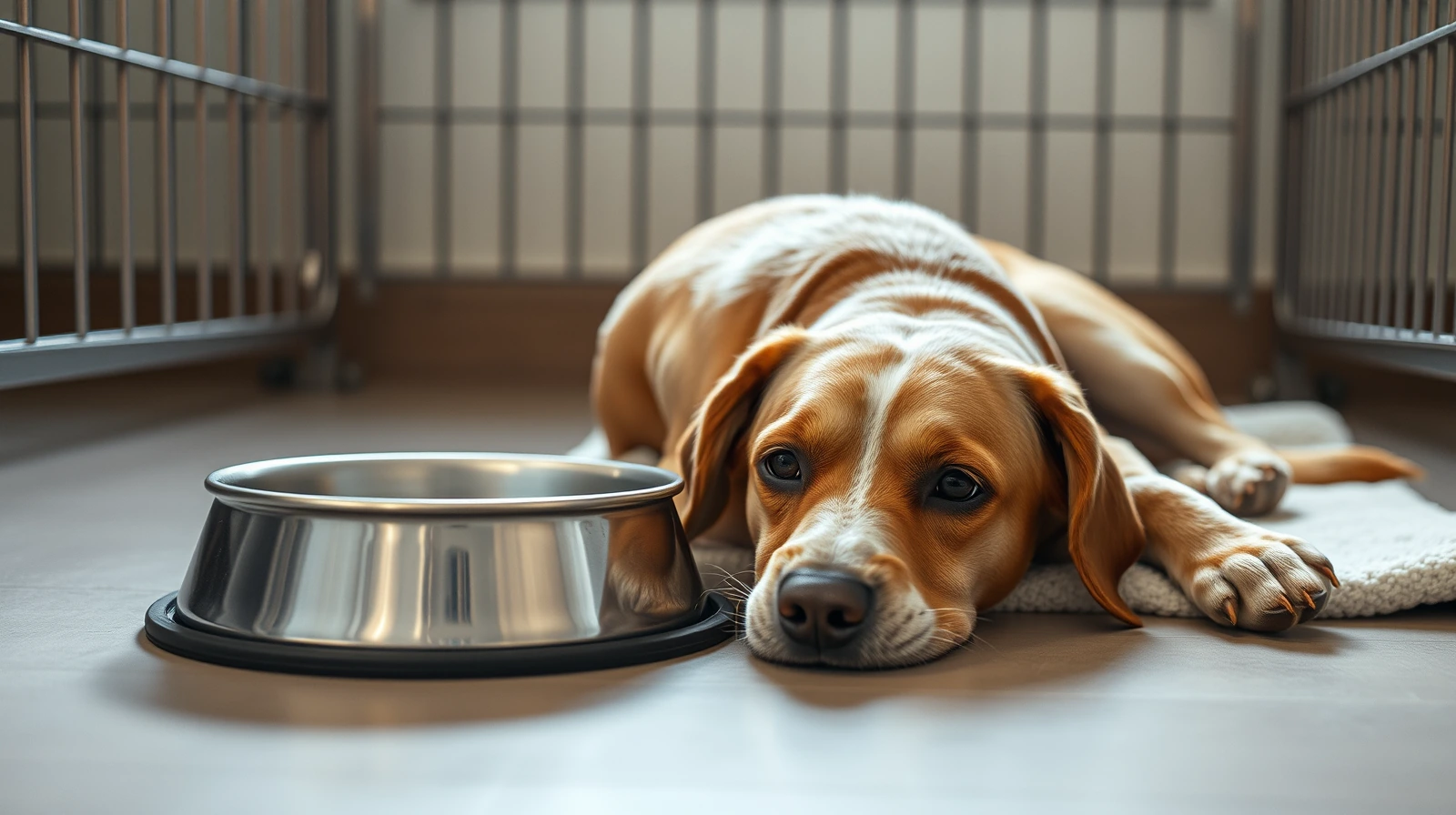
A quiet dog lying gently next to an untouched food bowl in a clean boarding kennel

You drop your dog at boarding, leave town, and a few hours later get the message: “She is not eating.” The first instinct is panic. The honest read: most dogs skip a meal or two at boarding, and most of the time it is stress, not illness. Here is when food refusal is normal, when it is a real warning sign, and the specific things you can do (and ask the facility to do) to get your dog eating again.

[cc_quick_take]
Most dogs skip a meal or two at boarding for the first day or two from stress, not from illness. Healthy dogs can safely miss meals for 24 to 48 hours. Concern starts at sustained 48-plus hours without food, full water refusal, vomiting, or lethargy. Bringing your dog’s own food and a familiar feeding routine prevents most of it.

## Answer capsule
Most dogs skip meals at boarding for the first 24-48 hours due to stress, and it is usually not dangerous for a healthy adult dog. It becomes a real concern at 48+ hours without food, full water refusal, vomiting, or visible weakness. Send your own food, your own bowl, and ask staff for hand feeding and a quieter feeding spot.

## BODY (Gutenberg / HTML blocks)

You drop your dog at boarding, leave town, and a few hours later get the message: “She is not eating.” The first instinct is panic. The honest read: most dogs skip a meal or two at boarding, and most of the time it is stress, not illness. Here is when food refusal is normal, when it is a real warning sign, and the specific things you can do (and ask the facility to do) to get your dog eating again.

For more boarding guidance, see our dog boarding hub.

Why dogs stop eating at boarding

The most common cause is stress, not anything wrong with the food or the kennel. A new environment, unfamiliar smells, the energy of other dogs, and the absence of their person all spike cortisol, and elevated cortisol suppresses appetite in dogs the same way it does in humans before a big interview. The most appetite-suppressed dogs tend to be:

  • Anxious or shy dogs who are sensitive to change
  • Older dogs whose routines are deeply ingrained
  • First-time boarders who do not know the building, the staff, or the routine
  • Dogs whose food was changed (a kennel switching them to a generic kibble)
  • Dogs eating in a noisy or busy area rather than a quiet space

This is not the same as a dog who is sick. Sick dogs typically show other signs: vomiting, diarrhea, lethargy, fever, or visible discomfort. A stressed dog who is not eating but is otherwise alert, drinking water, and engaging with staff is the normal pattern.

A kennel staff member kneeling patiently and hand feeding a hesitant dog

When food refusal is normal

Duration What it usually means
First 12-24 hours Normal stress response. Almost universal in new boarders. Not a medical concern in a healthy dog.
24-48 hours Still normal for anxious or sensitive dogs. Continue offering food, monitor water intake.
48-72 hours Concerning. Time to escalate: change feeding location or method, contact owner.
72+ hours Vet attention. Especially for puppies, seniors, small breeds, or any dog with a known medical condition.

The 24-48 hour window is when most dogs start eating again. By day 3, the vast majority of healthy adult dogs in a decent facility are eating at least some of their meals.

When it is actually a problem

Call your vet, or have the facility call its on-call vet, if you see any of these alongside food refusal:

  • Refusing water as well as food (dehydration risk)
  • Vomiting, diarrhea, or visible nausea
  • Lethargy, weakness, or hiding
  • Sustained refusal past 48 hours in a puppy or senior, or 72 hours in a healthy adult
  • A diabetic or otherwise medically managed dog missing scheduled food doses
  • Visible weight loss the staff can see in a short stay

Puppies and small dogs (especially toy breeds) lose blood sugar fast and need closer attention than a healthy 60-pound adult. Senior dogs and dogs on medication need food on schedule and should not be left to “skip a meal.”

What you can do before the stay

  • Send their own food. Pre-portioned, labeled, with clear feeding instructions. Never let a facility default-switch to a generic kibble. Switching food on top of stress causes refusal AND GI upset.
  • Send their own bowl. Familiar scent and shape help.
  • Send a high-value mix-in that they reliably love: a spoon of plain yogurt, a piece of cooked chicken, a small amount of canned food on top of kibble. Anything they always eat at home.
  • Send a scent item. An unwashed t-shirt or a blanket from their bed. The smell of home reduces stress, which helps appetite return.
  • Do a half-day trial a week or two before the real stay. A dog who has been there before adjusts (and eats) far faster on the real trip. Same logic as our daycare adjustment guide.
  • Be honest about quirks. If your dog only eats hand-fed, or only out of a snuffle mat, or only at a specific time, tell staff in writing before drop-off.

What to ask the facility to try

  • Move the feeding spot away from other dogs and noise. Many dogs eat fine in their own kennel but cannot eat in a shared space.
  • Hand-feed or use a slow-feeder. The novelty alone often gets a stressed dog interested in food.
  • Try smaller, more frequent meals instead of one or two big ones.
  • Warm the food slightly to release scent. Wet food works particularly well for this.
  • Leave the food down longer. Stressed dogs may need 30-60 minutes of low-pressure access rather than a 15-minute window.

A good facility will already be doing some of these. If they cannot, the issue is staffing, not your dog. This is one of the things we flag in our dog boarding red flags guide.

If your dog still won’t eat

For a stay shorter than three days, with a healthy adult dog who is otherwise alert and drinking, sometimes the answer is simply to wait it out. They will eat at home, usually with enthusiasm. For longer stays or any dog with medical needs, escalate: get the on-call vet involved, switch feeding methods, or consider whether an in-home sitter would have been the better choice for this particular dog. Our boarding vs pet sitting vs daycare guide covers when in-home wins.

How long can a dog go without eating at boarding before I should worry?
A healthy adult dog can safely skip food for 24-48 hours from stress, with water intake maintained. Concern starts at 48-72 hours, sooner (24 hours) for puppies, toy breeds, seniors, or dogs on medication. Vet attention is warranted past 72 hours regardless.
Should I bring my dog’s own food to boarding?
Always yes. Pre-portioned in labeled bags, with clear feeding instructions. Letting a facility default-switch your dog to its house kibble causes both refusal and GI upset on top of the stress of boarding. A familiar food is one of the simplest stress-reducers.
My dog drinks water but won’t eat. Is that OK?
For 24-48 hours in a healthy adult, yes. Hydration is the critical metric. A dog who is drinking is not at immediate medical risk. A dog refusing both food and water needs faster attention, dehydration progresses quickly.
Will my dog get used to the kennel food if they refuse their own?
Unlikely, and not a good plan. Sudden food switches cause GI upset (diarrhea, vomiting) on top of stress. Always bring your dog’s regular food. If a facility insists on switching, ask why or find a different facility.
What if my dog has medical conditions that need food on schedule?
Tell the facility in writing before booking, not at drop-off. Diabetic dogs, dogs on certain medications, and dogs with conditions managed by feeding schedule need a facility staffed to handle them. If the facility cannot guarantee on-schedule feeding, an in-home sitter is the safer choice.
My dog won’t eat at boarding but eats fine at home. Why?
Stress. Boarding triggers cortisol, which suppresses appetite. The same dog eats fine the moment they walk back through your front door because the stressor is gone. Familiar food, a scent item from home, and shorter stays all help.

The bottom line

A dog skipping meals at boarding is usually a stress response, not a medical emergency, and it usually fixes itself within 24-48 hours. Send your own food, a scent item, and a familiar mix-in. Ask the facility to try a quieter feeding spot, hand-feeding, or smaller more frequent meals. Escalate past 48-72 hours, sooner for vulnerable dogs. The good news: the moment your dog gets home, they almost always eat with enthusiasm and forget the whole thing happened.

[/cc_quick_take]

Why dogs stop eating at boarding

The most common cause is stress, not anything wrong with the food or the kennel. A new environment, unfamiliar smells, the energy of other dogs, and the absence of their person all spike cortisol, and elevated cortisol suppresses appetite in dogs the same way it does in humans before a big interview. The most appetite-suppressed dogs tend to be:

  • Anxious or shy dogs who are sensitive to change
  • Older dogs whose routines are deeply ingrained
  • First-time boarders who do not know the building, the staff, or the routine
  • Dogs whose food was changed (a kennel switching them to a generic kibble)
  • Dogs eating in a noisy or busy area rather than a quiet space

This is not the same as a dog who is sick. Sick dogs typically show other signs: vomiting, diarrhea, lethargy, fever, or visible discomfort. A stressed dog who is not eating but is otherwise alert, drinking water, and engaging with staff is the normal pattern.

When food refusal is normal

DurationWhat it usually means
First 12-24 hoursNormal stress response. Almost universal in new boarders. Not a medical concern in a healthy dog.
24-48 hoursStill normal for anxious or sensitive dogs. Continue offering food, monitor water intake.
48-72 hoursConcerning. Time to escalate: change feeding location or method, contact owner.
72+ hoursVet attention. Especially for puppies, seniors, small breeds, or any dog with a known medical condition.

The 24-48 hour window is when most dogs start eating again. By day 3, the vast majority of healthy adult dogs in a decent facility are eating at least some of their meals.

When it is actually a problem

Call your vet, or have the facility call its on-call vet, if you see any of these alongside food refusal:

  • Refusing water as well as food (dehydration risk)
  • Vomiting, diarrhea, or visible nausea
  • Lethargy, weakness, or hiding
  • Sustained refusal past 48 hours in a puppy or senior, or 72 hours in a healthy adult
  • A diabetic or otherwise medically managed dog missing scheduled food doses
  • Visible weight loss the staff can see in a short stay

Puppies and small dogs (especially toy breeds) lose blood sugar fast and need closer attention than a healthy 60-pound adult. Senior dogs and dogs on medication need food on schedule and should not be left to “skip a meal.”

What you can do before the stay

  • Send their own food. Pre-portioned, labeled, with clear feeding instructions. Never let a facility default-switch to a generic kibble. Switching food on top of stress causes refusal AND GI upset.
  • Send their own bowl. Familiar scent and shape help.
  • Send a high-value mix-in that they reliably love: a spoon of plain yogurt, a piece of cooked chicken, a small amount of canned food on top of kibble. Anything they always eat at home.
  • Send a scent item. An unwashed t-shirt or a blanket from their bed. The smell of home reduces stress, which helps appetite return.
  • Do a half-day trial a week or two before the real stay. A dog who has been there before adjusts (and eats) far faster on the real trip. Same logic as our daycare adjustment guide.
  • Be honest about quirks. If your dog only eats hand-fed, or only out of a snuffle mat, or only at a specific time, tell staff in writing before drop-off.

What to ask the facility to try

  • Move the feeding spot away from other dogs and noise. Many dogs eat fine in their own kennel but cannot eat in a shared space.
  • Hand-feed or use a slow-feeder. The novelty alone often gets a stressed dog interested in food.
  • Try smaller, more frequent meals instead of one or two big ones.
  • Warm the food slightly to release scent. Wet food works particularly well for this.
  • Leave the food down longer. Stressed dogs may need 30-60 minutes of low-pressure access rather than a 15-minute window.

A good facility will already be doing some of these. If they cannot, the issue is staffing, not your dog. This is one of the things we flag in our dog boarding red flags guide.

If your dog still won’t eat

For a stay shorter than three days, with a healthy adult dog who is otherwise alert and drinking, sometimes the answer is simply to wait it out. They will eat at home, usually with enthusiasm. For longer stays or any dog with medical needs, escalate: get the on-call vet involved, switch feeding methods, or consider whether an in-home sitter would have been the better choice for this particular dog. Our boarding vs pet sitting vs daycare guide covers when in-home wins.

How long can a dog go without eating at boarding before I should worry?
A healthy adult dog can safely skip food for 24-48 hours from stress, with water intake maintained. Concern starts at 48-72 hours, sooner (24 hours) for puppies, toy breeds, seniors, or dogs on medication. Vet attention is warranted past 72 hours regardless.
Should I bring my dog’s own food to boarding?
Always yes. Pre-portioned in labeled bags, with clear feeding instructions. Letting a facility default-switch your dog to its house kibble causes both refusal and GI upset on top of the stress of boarding. A familiar food is one of the simplest stress-reducers.
My dog drinks water but won’t eat. Is that OK?
For 24-48 hours in a healthy adult, yes. Hydration is the critical metric. A dog who is drinking is not at immediate medical risk. A dog refusing both food and water needs faster attention, dehydration progresses quickly.
Will my dog get used to the kennel food if they refuse their own?
Unlikely, and not a good plan. Sudden food switches cause GI upset (diarrhea, vomiting) on top of stress. Always bring your dog’s regular food. If a facility insists on switching, ask why or find a different facility.
What if my dog has medical conditions that need food on schedule?
Tell the facility in writing before booking, not at drop-off. Diabetic dogs, dogs on certain medications, and dogs with conditions managed by feeding schedule need a facility staffed to handle them. If the facility cannot guarantee on-schedule feeding, an in-home sitter is the safer choice.
My dog won’t eat at boarding but eats fine at home. Why?
Stress. Boarding triggers cortisol, which suppresses appetite. The same dog eats fine the moment they walk back through your front door because the stressor is gone. Familiar food, a scent item from home, and shorter stays all help.

The bottom line

A dog skipping meals at boarding is usually a stress response, not a medical emergency, and it usually fixes itself within 24-48 hours. Send your own food, a scent item, and a familiar mix-in. Ask the facility to try a quieter feeding spot, hand-feeding, or smaller more frequent meals. Escalate past 48-72 hours, sooner for vulnerable dogs. The good news: the moment your dog gets home, they almost always eat with enthusiasm and forget the whole thing happened.