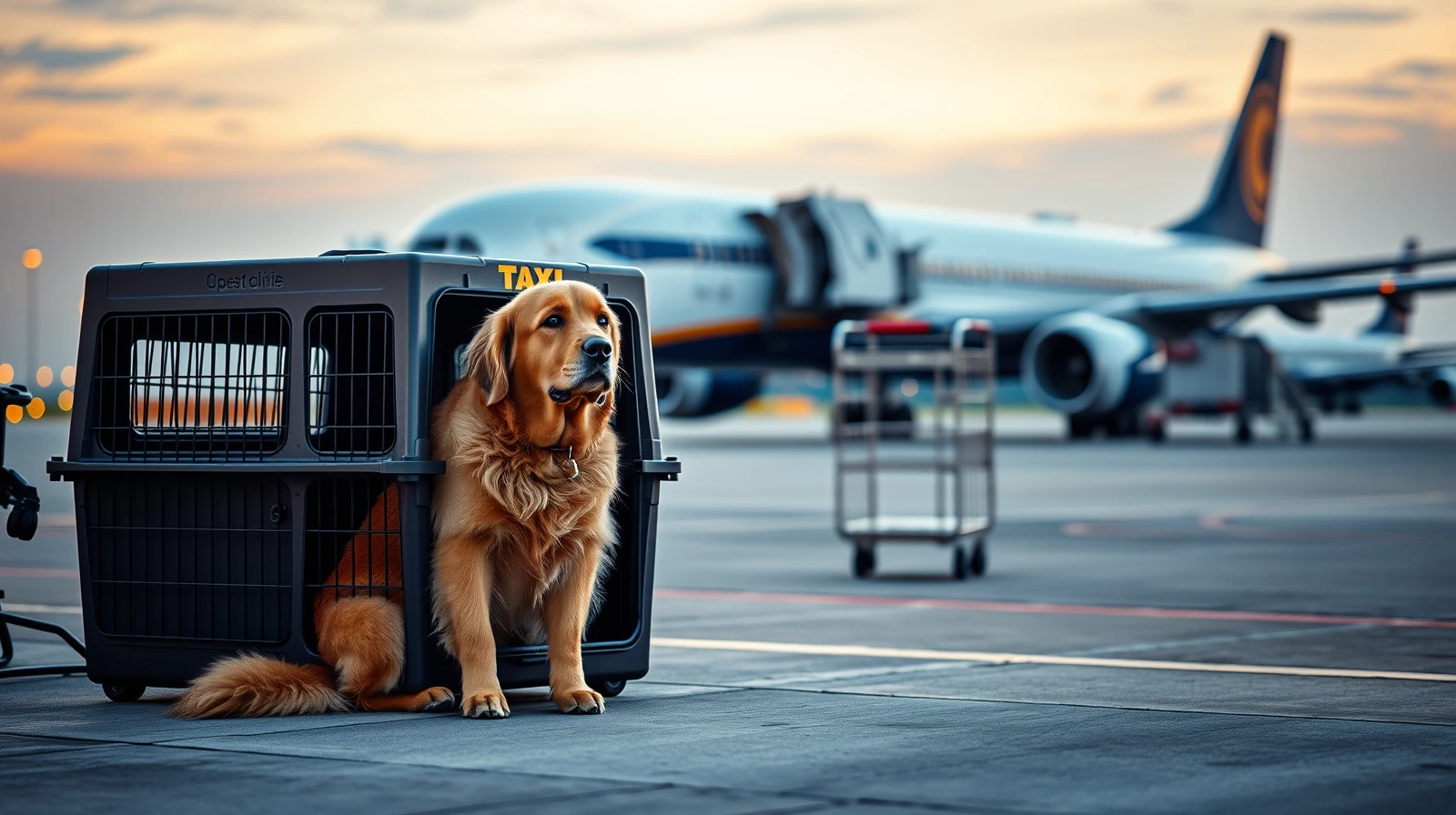
International pet shipping typically costs roughly $1,000 to $5,000 per pet, and complex destinations with quarantine can run $8,000 or more. The total reflects a professional shipper fee, IATA crate, vet exam and health certificate, USDA APHIS endorsement, import permit, airfreight, customs clearance, and sometimes quarantine. Confirm a current quote with a licensed shipper.
International pet shipping typically costs roughly $1,000 to $5,000 per pet, and complex destinations with quarantine can run $8,000 or more. The wide range reflects what your move actually involves: a professional shipper's fee, an IATA crate, a vet exam and health certificate, USDA APHIS endorsement, an import permit, airfreight, customs clearance, and sometimes quarantine. Always confirm a current quote with a licensed shipper.
Once you have a budget, the international pet relocation checklist lays out the steps and timing to book it.
For owners in a similar situation, our guide on Cost to Ship a Puppy: 2026 Price Guide by Method is worth a read.
If you're weighing this decision, our guide on Is Professional Pet Transport Worth It? A Value Breakdown walks through the details.
For a closer look at a related situation, see our piece on Hidden Costs of Pet Transport: The Add-Ons to Expect.
Why international shipping costs far more than a domestic move
Moving a dog across the country by air usually lands somewhere around $1,000 to $2,500 once you add a crate, a vet visit, and the cargo fee. Sending the same dog overseas commonly runs two to four times that, and the gap is not arbitrary. According to PetRelocation's cost guide, the same small dog that costs roughly $1,500 to move domestically can cost around $5,000 to ship to Singapore, because the international version of the job stacks on layers a domestic move never touches.
Each added country has its own import rulebook: required vaccinations, blood-titer tests with mandatory waiting periods, government import permits, federal endorsement of paperwork, and in a few cases a mandatory quarantine stay you pay for. Every one of those steps has a price, a deadline, and a chance to go wrong if it is filed late or out of order. That is why most families pay a professional shipper to project-manage the whole thing rather than risk a missed test window that resets the clock. For a plain-English overview of how all the pieces fit together, see our pet relocation guide, and for general (mostly domestic) pricing see how much pet transport costs.
The full cost breakdown, component by component
Here is where the money goes on a typical international move. The ranges below are drawn from published 2026 estimates by professional shippers and from the official fee pages cited under each line. Treat them as planning figures, not a quote: your real total depends on your pet's size, your route, and the destination's rules. Confirm every number with a licensed shipper before you budget.
| Cost component | Typical range (USD) | What it covers / notes |
|---|---|---|
| Professional shipper fee | $1,000 - $4,000+ | Coordination, paperwork, booking, airport handling. Simpler routes sit lower; quarantine destinations sit higher. |
| IATA-compliant travel crate | $70 - $450 (giant/reinforced $1,000+) | Must meet IATA Live Animals Regulations. Large and custom reinforced crates cost the most. |
| Vet exam + international health certificate | $150 - $400 | Accredited vet exam and the export certificate the destination requires. |
| USDA APHIS endorsement | ~$38 - $173 per certificate | Federal endorsement of the health certificate. Fee varies by tests required; confirm on the APHIS fee page. |
| Vaccinations / rabies titer (FAVN) test | $20 - $100 per vaccine; titer test extra | Rabies titer test is required for many countries and can carry long waiting periods. |
| Import permit | $100 - $500+ | Required by many destinations (e.g. Australia, Singapore). Government fee, varies by country. |
| Airfreight (cargo) | $1,000 - $4,000+ | Driven by combined pet-plus-crate weight, route, and season. Summer can add a 10% to 30% premium. |
| Customs broker / clearance | $150 - $1,000 | Clears the pet through the destination's customs and agriculture checks. |
| Quarantine (only some countries) | $0 - $2,000+ | Australia requires a paid government quarantine stay; most destinations require none. |
Add it up and a routine no-quarantine move often falls in the $1,000 to $5,000 band, while a quarantine destination like Australia pushes the total well past $5,000. A widely repeated planning rule from shippers is to budget about 25% on top of any quote you receive, because fuel surcharges, seasonal premiums, transit boarding during layovers, and last-minute vet re-checks tend to appear after the headline price is set.
The professional shipper fee, explained
The single largest controllable line is the shipper's coordination fee. Published 2026 estimates put hiring a pet shipper anywhere from roughly $450 for a light-touch booking to $2,000 or more for full international project management, and some quotes run higher on quarantine routes. What you are buying is timeline management: a licensed agent who knows that the rabies titer for Australia has to be drawn months ahead, that the USDA endorsement window is tight, and that a single out-of-sequence document can ground the whole trip. The International Pet and Animal Transportation Association (IPATA) maintains a directory of member shippers, which is a sensible place to start vetting candidates. If you would rather handle pieces yourself to save money, our cheapest way to transport a pet guide covers the trade-offs.
The crate is not optional, and it is regulated
Airlines will not load a pet in cargo without an approved container. The IATA Live Animals Regulations set the worldwide standard: the crate must be ventilated on multiple sides and give the animal room to stand naturally, turn around, and lie down. A correctly sized plastic kennel for a small or medium dog often runs $70 to $450, but a large breed needing a reinforced or custom build can hit $1,000 or more. Buy the crate weeks early and let your dog sleep in it so travel day is not the first introduction.
Vet, USDA endorsement, and import permit
Most destinations require an exam by a USDA-accredited vet plus an international health certificate, typically $150 to $400 for the visit and paperwork. That certificate then usually needs federal endorsement: per the USDA APHIS endorsement fee page, the charge varies with the number of animals and tests involved, and APHIS waives the fee for ADA service dogs. Many countries also require a paid import permit before arrival. Because these steps are deadline-driven, a USDA-accredited transport partner is worth considering; we cover what that accreditation means in our USDA certified pet transport explainer.
Example cost ranges by destination
Destination rules are the biggest single driver of price. A country with no quarantine and a straightforward permit process sits at the low end; a country with mandatory government quarantine and a long titer-test runway sits at the very top. The figures below are planning ranges synthesized from 2026 shipper estimates and reflect one pet shipped as accompanied baggage or cargo from the United States. Your quote will differ, so confirm with a licensed shipper.
| Destination | Typical total range (USD) | Why |
|---|---|---|
| United Kingdom | $2,500 - $5,500 | No quarantine for compliant pets, but cargo-only entry rules and DEFRA paperwork add cost. |
| European Union | $2,000 - $5,000 | Microchip, rabies vaccine, EU health certificate. No quarantine for compliant pets from the US. |
| Singapore | $3,000 - $6,000+ | Import permit, possible short licensed quarantine, strict scheduling. |
| Australia | $5,000 - $12,000+ | 180-day rabies-titer runway, import permit, and mandatory ~10-day paid government quarantine. |
Australia is consistently the most expensive mainstream destination because of the quarantine stay at the government facility plus the long blood-test timeline that must be started roughly six months ahead. For the country-specific playbooks, see our guides on pet transport to the UK and pet transport to Australia.
What actually drives your final price
Two pets going to the same country can get very different quotes. The variables that move the number most:
- Pet size and weight. Airfreight is priced on combined pet-plus-crate weight, so a Great Dane can cost several times what a Chihuahua costs on the identical route.
- Breed. Snub-nosed (brachycephalic) breeds like bulldogs and pugs face airline cargo restrictions for safety reasons, which narrows routes and can raise cost or rule out some carriers entirely.
- Destination rules. Quarantine, titer tests, and permits are the single biggest swing factor, as the destination table above shows.
- Accompanied vs. cargo (manifest) shipping. Flying your pet as accompanied baggage on your own ticket is usually cheaper but is limited by breed, size, and route; unaccompanied manifest cargo costs more but is often the only legal option for international moves.
- Season and timing. Summer heat embargoes and peak-season surcharges can add 10% to 30%, and rushed timelines remove your cheaper options.
One more variable worth flagging: the number of pets and whether you are moving them together. Some destinations and crates allow two small, compatible animals in one container, which can spread the airfreight and paperwork cost. Larger pets must travel in their own crates and pay their own freight, so a two-dog move of big breeds is effectively two separate bills, not a bulk discount. Ask any shipper to quote each animal as a line item so you can see exactly what each one adds.
How to keep the bill down without cutting corners
You cannot skip the regulated steps, but you can avoid the expensive mistakes:
- Start early. Shippers note that planning ahead can save up to 30%, mostly by hitting titer-test windows the first time and avoiding rush bookings.
- Get at least three written quotes from IPATA member shippers and compare what is and is not included. A low headline fee that excludes the crate or customs clearance is not actually cheaper.
- Buy the crate yourself if your shipper allows it, rather than renting at a markup, and confirm the exact IATA size class for your dog.
- Avoid summer peak windows where routes allow, to dodge seasonal surcharges and heat embargoes.
- Budget a 25% cushion on top of the quote for surcharges, layover boarding, and re-check vet visits.
How we sourced this
The ranges in this guide are synthesized from published 2026 cost estimates by professional pet-relocation companies and from primary regulatory sources: the USDA APHIS endorsement fee page for federal certificate charges, the IATA Live Animals Regulations for crate standards, and IPATA for shipper vetting. Prices for live-animal airfreight change with fuel, season, and route, and import rules are set by each destination's government. We have presented every figure as a range and rounded to planning-grade numbers. Always confirm your specific costs with a licensed shipper and the destination country's official import authority before you commit.
How much does it cost to ship a dog internationally in 2026?
Why is international pet shipping so much more expensive than domestic?
Which country is the most expensive to ship a dog to?
How much is the USDA APHIS endorsement fee?
Do I have to use a professional pet shipper?
What is the difference between accompanied and cargo shipping cost?
How much does an IATA travel crate cost?
How can I lower my international pet shipping cost?
Sources & references
- petrelocation.com https://www.petrelocation.com/dogs/how-much-does-it-cost-to-ship-a-dog
- iata.org https://www.iata.org/en/programs/cargo/live-animals/pets/
- aphis.usda.gov https://www.aphis.usda.gov/pet-travel/us-to-foreign-country/cost-to-endorse
- ipata.org https://ipata.org/