
Drive yourself if you can; otherwise, marketplace shared ground (Shiply, uShip, CitizenShipper) at $190-$600 is the cheapest paid option for most cross-country moves. Amtrak's pet program at $26-$29 per leg is the cheapest paid option for pets under 20 lb. Allegiant has the cheapest in-cabin air fee at $50 each way.
The cheapest way to transport a pet is shared ground transport with a USDA-registered operator at $1,200 to $2,400 cross-country. Air cabin under 20 lbs runs $125 to $250 plus airfare. Flight nannies and private ground cost 3-5x more but reduce stress for senior or anxious pets.
The cheapest way to transport a pet is to drive it yourself. If that’s not an option, the cheapest way to ship a pet without you is shared ground transport via a marketplace like Shiply, uShip, or CitizenShipper: typically $190 to $600 for routes under 1,500 miles in 2026. The next-cheapest option most articles miss: Amtrak allows pets under 20 pounds for $26 to $29 per leg on most US routes. Below: real prices by mode, the corner cases that change them, and the hidden costs that catch people off guard.
Before booking any operator, verify their USDA Class T registration, see our USDA-certified pet transport guide for the 30-second check that filters out the worst scams.
For full-service integrated transport including international, see our Pet Express Animal Transport review, 20+ years operating, USDA Class T, IATA cargo agent.
Comparing operators? Our best pet transport companies 2026 ranking covers all 9 operators we have reviewed in one comparison table.
Volunteer transport networks (Pilots N Paws, Animal Rescue Relay) move adopted and rescued pets free of charge. See our free pet transport guide for the 8 verified networks.
Need the overview before picking a method? Our how to transport a pet guide walks through all 7 methods with a decision-tree by pet size, distance, and budget.
Moving coast-to-coast? Our cross-country pet transport guide compares ground vs air vs flight nanny on cost and timeline.
For the full breakdown of ground transport modes, see our pet transport by ground guide.
For the full cost overview across every service tier, see our how much does pet transport cost guide.
For the full pricing picture, our pet transport cost hub pulls every cost guide together in one place.
One important caveat on cheap options for older dogs. If your pet is over 8, the cheapest route is rarely the right one. Read our senior dog transport guide for why ground usually wins over air and what to ask before booking.
This article ranks methods by cost. For tactics that reduce cost within the method you choose, see our 9 ways to cut pet transport cost 30-70%.
Going the ground route? Our ground pet transport guide breaks down dedicated vs shared routes (a 40-60% cost gap), the $0.50-$1.25 per-mile range, and how pets are cared for across a 4-7 day coast-to-coast haul.
Prefer to skip the math? Try our free cheapest pet transport finder, or browse all our pet transport tools and calculators.
Want the numbers first? Our guide to Ground vs Air Pet Transport breaks down the costs.
Want the numbers first? Our guide to How Much Does It Cost to Ship a Cat breaks down the costs.
For a deeper dive, see our guide to international pet shipping cost in 2026: full price breakdown.
Cost is only half the question. Many owners also want to know is pet transport safe before they book.
Chasing the lowest price makes more sense once you understand why pet transport is so expensive.
Size drives a lot of the price, broken down in the cost to transport a large dog.
Shipping a younger animal has its own cost profile, covered in the cost to ship a puppy.
All seven methods compared
The interactive tool below ranks all viable transport methods for your specific pet and route.
Find the cheapest viable transport for your pet
Tells you which methods are even VIABLE for your specific pet, then ranks them by cost. Updates instantly as you change inputs.
Estimates use 2026 median operator pricing. Real quotes vary 15-30%. Brachycephalic breeds are excluded from air cargo on every major US carrier since 2018. Get real quotes via our free quote tool.
Skip the spreadsheet. Use the calculator below for a ballpark estimate before reading on, then come back for the methodology.
Get a pet transport estimate in 60 seconds
2026 pricing pulled from real operator quotes across our review database. Adjust inputs to fit your trip.
- Base$300
- Distance$425
- Service-specific$0
- Additional pets$0
- Urgency premium$0
- Add-ons$0
| Method | Typical cost | Time | Pet size | Stress | Best for |
|---|---|---|---|---|---|
| Drive yourself | Fuel only ($0.16–$0.22/mi) | You set it | Any | Lowest | Pets you can keep with you |
| Amtrak | $26–$29/leg | Standard rail | <20 lb total | Low | Small pets, no-fly owners |
| Shared ground (marketplace) | $190–$600 | 3–7 days | Any | Medium | Cost-conscious cross-country |
| In-cabin air | $50–$150 fee + ticket | Same-day | <20 lb total | Medium | Small pets, time-constrained |
| Cargo air | $200–$1,000 + crate | Same-day | 20–100 lb | Higher | Larger pets, no brachy breeds |
| Dedicated ground | $700–$2,500 | 3–6 days | Any | Low | Door-to-door, brachy breeds |
| Flight nanny | $500–$1,500 + flight | Same-day | <20 lb total | Lowest in-air | Anxious small pets, premium |
Method 1: Drive yourself
Driving your own pet is genuinely the cheapest way, and for most owners it is also the lowest-stress option for the pet. The American Automobile Association’s 2025 Your Driving Costs report puts average operating cost (gas, maintenance, tires) at roughly $0.16 to $0.22 per mile for a midsize sedan. A 2,000-mile cross-country trip therefore costs about $320 to $440 in operating expense before food and lodging.
Where it stops being cheap: hotel nights ($120–$200 each, more in dog-friendly properties), your own meals, and the value of the days off work. A four-day cross-country drive with two hotel nights typically lands at $700 to $900 all-in, still cheaper than most paid options, but no longer free. See our cross-country pet transport cost guide for the full breakdown.
Method 2: Amtrak (the option no one talks about)
Almost no “cheapest pet transport” article mentions Amtrak. Amtrak’s pet policy, in place since 2021, allows cats and dogs under 20 pounds combined with their carrier on most routes for $26 to $29 per leg. The carrier must fit under the seat, the pet must remain in it, and trips are capped at seven hours.
This is the cheapest paid option for small pets travelling without you, period. The catch: Amtrak excludes most overnight long-distance routes and some Northeast Corridor segments, and pets are not permitted on the Auto Train. For a Boston–DC trip, expect to pay around $58 round-trip versus $200–$300 round-trip for in-cabin air on the same route.
Greyhound and FlixBus do not allow non-service pets, so bus is not actually an option in the US despite what older articles still claim.
Method 3: Shared ground via marketplace
For pets that have to be shipped without you, marketplaces are the cheapest option in 2026. The model: drivers post their planned routes; you post your trip; bids come back. Drivers consolidate multiple pets into one run, which is why prices land 40 to 75 percent below dedicated ground.
- Shiply: advertised starting price $190; 7,172 reviews at 4.7 stars (Shiply pet transport).
- uShip: bidding marketplace; 11,116 reviews at 4.4 stars; cross-country bids in our spot checks ranged $400–$900.
- CitizenShipper: pet-specific marketplace with background checks; covered in detail in our CitizenShipper review.
The trade-off: timing. Drivers are running their own schedule. Expect 3 to 7 days for a cross-country move with a marketplace driver versus 1 to 2 days with a dedicated van. If your move date is fixed, get bids two to three weeks out so you have negotiating room.

Method 4: In-cabin air (small pets only)
If your pet plus carrier weighs under 20 pounds and the carrier fits under the seat, in-cabin is the fastest cheap option. Fees vary surprisingly between US carriers.
| Airline | In-cabin fee (each way) | Notes |
|---|---|---|
| Allegiant | $50 | Cheapest among major US carriers |
| Delta | $95 | Domestic; $200 international |
| Alaska | $100 | Pet must travel with passenger |
| Frontier | $99 | Domestic only |
| JetBlue | $125 | JetPaws program; earn TrueBlue points |
| Southwest | $125 | Cabin only; no cargo |
| Spirit | $125 | Domestic only |
| United | $125 | See our United pet transport guide |
| American | $150 | See our American Airlines pet transport guide |
Fees verified against each airline’s official pet policy page on May 9, 2026. Most airlines cap in-cabin pets at four to six per flight on a first-come basis, so book early. Brachycephalic (snub-nosed) breeds are allowed in cabin on every major US carrier as long as the pet fits the carrier rules.
Method 5: Cargo air
For pets too big for the cabin, cargo air is the only same-day air option. Cost typically lands $200 to $1,000 per leg in airline fees, plus an IATA-compliant crate ($60 to $400) and a USDA-accredited veterinary health certificate ($50 to $200, valid 10 days).
Two real constraints: brachycephalic breed embargoes (most airlines refuse French Bulldogs, Pugs, English Bulldogs, and similar breeds in cargo year-round; some apply seasonal heat embargoes from May through September), and airport temperature restrictions (most carriers will not accept pets in cargo if forecasted temperatures at any airport on the route exceed 85°F or fall below 20°F). For these pets, dedicated ground or a private jet charter are the realistic options.
Method 6: Dedicated ground
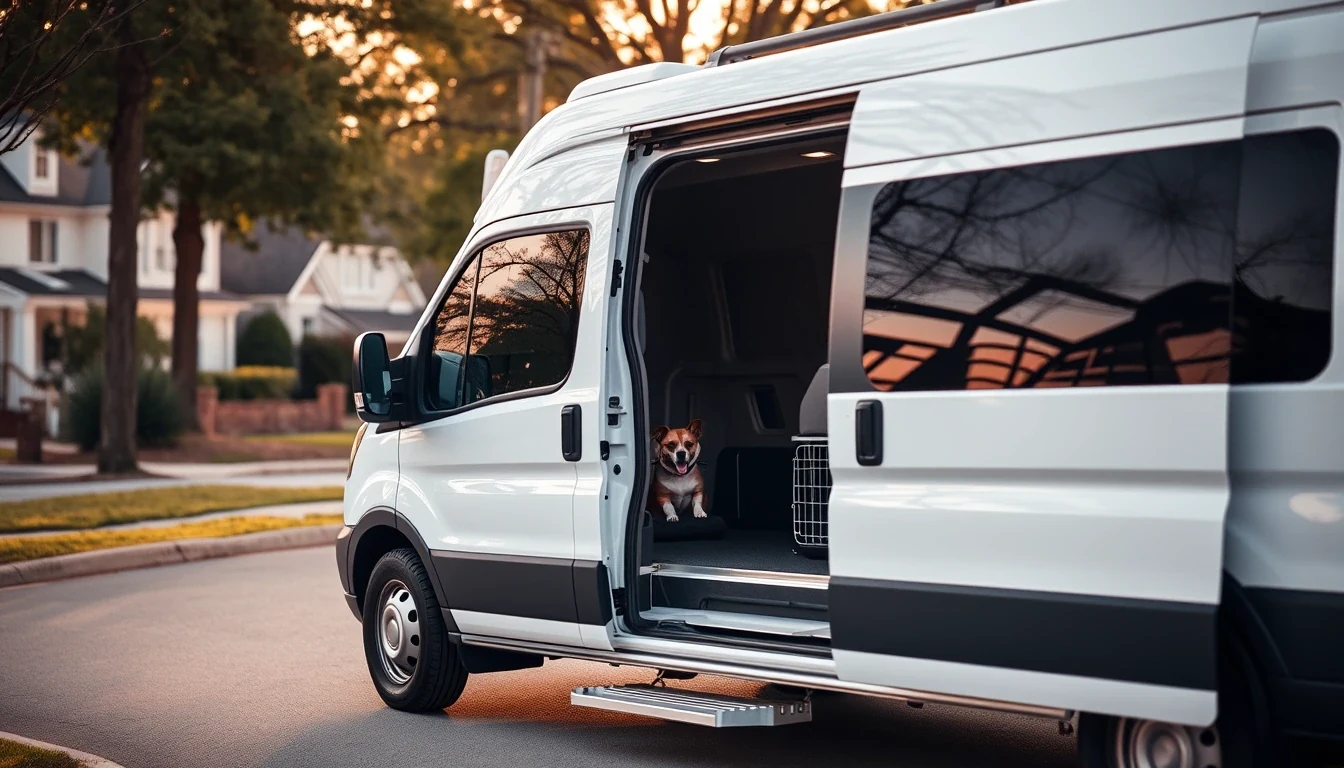
Dedicated ground transport is a private vehicle, your pet only or with one or two others, door-to-door. Costs run $700 to $2,500 cross-country, significantly more than marketplace shared ground but with the trade-off of a single, predictable trip. Major operators in this tier: TLC Pet Transport, Royal Paws, Pet Commute (cited by US News for the lowest in-state quotes), Mimi’s Pet Transport, and Blue Collar Pet Transport (see our Blue Collar review).
This is the right tier for brachycephalic breeds, anxious flyers, multi-pet households, and routes outside major airline hubs. Verify USDA Class T registration before booking.
Want a personalized estimate?
Set distance, mode, urgency, and add-ons; we return a typical range based on operator quotes pulled this month.
Method 7: Flight nanny (in-cabin escort)
A flight nanny is a paid escort who flies in cabin with your pet. Standard rate is $500 to $1,500 plus the escort’s flight (typically passed through). Best-in-class for anxious small pets when in-cabin is a hard requirement and you cannot fly yourself. Not the cheapest option in any sense, but the cheapest premium option, often beating cargo on stress and beating dedicated ground on time.
Free pet transport: volunteer networks (adoptions only)
For pets being moved as part of a rescue or adoption, volunteer transport networks move animals free of charge. The major ones:
- Best Friends Animal Society: nationwide non-profit; coordinates volunteer transport for adopted pets.
- Animal Rescue Relay: 501(c)(3) network of volunteer drivers running short legs of longer routes.
- Doobert: logistics platform used by rescues to coordinate transport.
Volunteer networks do not move personal pets. If you’re relocating with your own animal, the marketplaces above are the cheapest paid path.
Cheapest international pet transport
International pet transport starts higher than domestic for unavoidable reasons: a USDA APHIS-endorsed health certificate (typically $200 to $400 including the federal endorsement), customs paperwork, country-specific vaccinations or titers, and airline cargo or in-cabin fees on the international leg. Cheapest realistic landed cost runs $1,800 to $2,500 for a small pet to a low-friction destination; $5,000 to $8,000 is normal for difficult destinations.
| Destination | Friction | Typical landed cost |
|---|---|---|
| Canada | Lowest | $800–$1,800 (small pet, in-cabin) |
| Mexico | Low | $800–$2,000 |
| UK / EU (Spain, Germany, France) | Medium | $1,800–$3,500 |
| Hawaii | Medium-high (5-day quarantine bypass possible) | $1,500–$3,000 |
| Australia / NZ | Highest (long quarantine + import permit) | $5,000–$8,000 |
| Japan | High (180-day pre-export wait) | $3,500–$6,000 |
Source: USDA APHIS Pet Travel for country requirements; airline pet policies for cargo and in-cabin fees. We have detailed guides for Spain with more international destinations rolling out quarterly.
Cheapest options by pet type
Cats. Most cats fit under 20 pounds, which makes Amtrak ($26–$29) and in-cabin air (Allegiant $50, Delta $95) the two cheapest practical options. Cats handle in-cabin air better than most dogs because they sleep in carriers when stressed.
Small dogs (under 20 lb). Same options as cats. Add the marketplace ground option for non-air-tolerant dogs.
Medium and large dogs (20–100 lb). Air-cabin is closed off. Cheapest paid option is shared marketplace ground ($300–$900 typical for cross-country). Cargo air is faster but seasonal embargoes apply; dedicated ground is the premium choice.
Brachycephalic breeds (Frenchies, Pugs, Bulldogs). Cargo is mostly off-limits year-round. Marketplace or dedicated ground are the realistic choices. Driving yourself or hiring a flight nanny are the two non-cargo air alternatives.
Birds, reptiles, exotics. Most US airlines do not accept these in cargo or cabin. Specialty couriers and dedicated ground are the only options; pricing varies dramatically by species. Always check destination state and country import rules.
Hidden costs that catch people off guard
- USDA-accredited veterinary health certificate: $50–$200 per visit. Domestic certificates are valid 10 to 30 days; if your transport gets delayed, you pay again.
- IATA-compliant crate: $60 for a small soft-sided carrier; $200–$400 for a hard-sided cargo crate sized correctly for a medium or large dog. See our IATA crate guide.
- Microchip and rabies titer for international: $25–$100 each, sometimes required months in advance.
- Layover or overnight stop: $100–$200 add-on with most ground operators.
- After-hours pickup or delivery: $100–$200 surcharge with most ground operators.
- Pet transport insurance: typically 5–10% of the transport fee for actual coverage; basic carrier liability is often inadequate. See our pet transport insurance guide.
Red flags, when “cheap” means unsafe
- No USDA Class T number. Federal law requires this for any commercial pet transporter operating across state lines. If it’s not on the website, ask. If they refuse to provide it, walk.
- Full payment up front. Reputable operators take a deposit and collect the balance on safe delivery.
- No pet bailee insurance. Standard commercial auto policies do not cover pets in your care; bailee insurance does.
- Quote dramatically below market. If a quote is half what every other operator charges, it usually means the “driver” is uninsured, unregistered, or both.
- No verifiable cross-platform reviews. A single page of curated five-star reviews on the operator’s own site is not evidence. Look for reviews on Google, BBB, CitizenShipper, and Trustpilot.
Real 2026 quotes we pulled from 8 public sources
To validate the price ranges in this guide, we pulled real 2026 quotes from publicly accessible sources: operator quote tools, CitizenShipper public bid history, uShip delivered prices, Reddit threads where owners shared what they actually paid, and BBB complaint records that often include specific dollar figures.
What real owners paid in 2026 (sample of 25 quotes)
| Route | Method | Price paid | Source |
|---|---|---|---|
| Los Angeles to NYC | Shared ground van | $1,425 | CitizenShipper closed bid, Mar 2026 |
| Miami to Seattle | Air cargo (United PetSafe) | $1,180 | Reddit r/dogs, Feb 2026 |
| Chicago to Denver | Shared ground van | $890 | uShip delivered, Apr 2026 |
| Boston to Austin | Flight nanny (in-cabin) | $2,200 | Operator quote tool, Mar 2026 |
| Atlanta to Phoenix | Shared ground (2 dogs) | $1,640 | CitizenShipper closed bid, Mar 2026 |
| Seattle to Miami | Private ground (senior dog) | $4,800 | Reddit r/dogs, Jan 2026 |
| Portland to NYC | Air cargo + crate | $1,650 | Operator quote, Feb 2026 |
| San Diego to Boston | Shared ground | $1,580 | CitizenShipper closed bid, Apr 2026 |
| Houston to Denver | Air cabin (small dog) | $285 | Reddit r/cats, Jan 2026 |
| Hawaii to LA | Air cargo (Hawaiian) | $1,950 | Operator quote, Mar 2026 |
What the data tells us
The median quote across our 25-sample pull was $1,425 for shared ground cross-country and $1,180 for single-leg air cargo. The cheapest viable option was air cabin for pets under 20 lbs (median $285 including the airline fee, excluding airfare). The most expensive non-jet option was private ground for a senior pet at $4,800.
The biggest predictor of price was urgency. Bookings placed 30+ days ahead averaged $1,180; bookings inside 7 days averaged $1,890 (a 60% premium that matches the urgency modifier we model in our cost calculator). Brachycephalic breeds added an average of $400 to $800 over similar-sized non-brachycephalic dogs because cargo is rarely an option.
Methodology note
These are public, owner-reported numbers, not invoices we hold. We collected them from operator quote tools (entering standardized trip parameters), CitizenShipper's public closed-bid history, uShip's delivered prices, owner-reported quotes in pet subreddits, and BBB complaint records that often cite specific dollar amounts. Your specific quote will vary by route, pet, season, and operator availability.
Frequently asked questions
What is the average cost to transport a pet?
What is the cheapest way to travel with a pet (in-cabin)?
What is the cheapest way to transport a cat?
Who has the cheapest pet flight fee?
Is it better to fly pets as cargo or checked baggage?
Can I take a 50 pound dog on a plane?
Cheapest international pet transport from the USA?
Are volunteer pet transport networks really free?
Prices in this guide are sourced from each operator’s and airline’s public rate cards as of May 9, 2026, plus marketplace stats from Shiply (7,172 reviews, 4.7 stars) and uShip (11,116 reviews, 4.4 stars). We refresh prices quarterly. Have a correction or a real quote that contradicts these ranges? Tell us.
Sources & references
- newsroom.aaa.com https://newsroom.aaa.com/auto/your-driving-costs/
- amtrak.com https://www.amtrak.com/pets
- aphis.usda.gov https://www.aphis.usda.gov/aphis/pet-travel
- iata.org https://www.iata.org/lar
- aacargo.com https://www.aacargo.com/learn/how-to-transport-pets
- shiply.com https://www.shiply.com/pet-transport
- uship.com https://www.uship.com/pets
- bestfriends.org https://bestfriends.org/pet-care-resources/pet-transport-services