How to Introduce Your Dog to a Pet Sitter (The Meet-and-Greet That Works)

The meet-and-greet is the single highest-value 30 minutes of the whole pet sitting hire. Done well, your dog walks into day one of the booking already comfortable with the sitter, and the sitter walks in already knowing the routine. Done badly (or skipped), you have a stranger walking into your home alone with your dog…

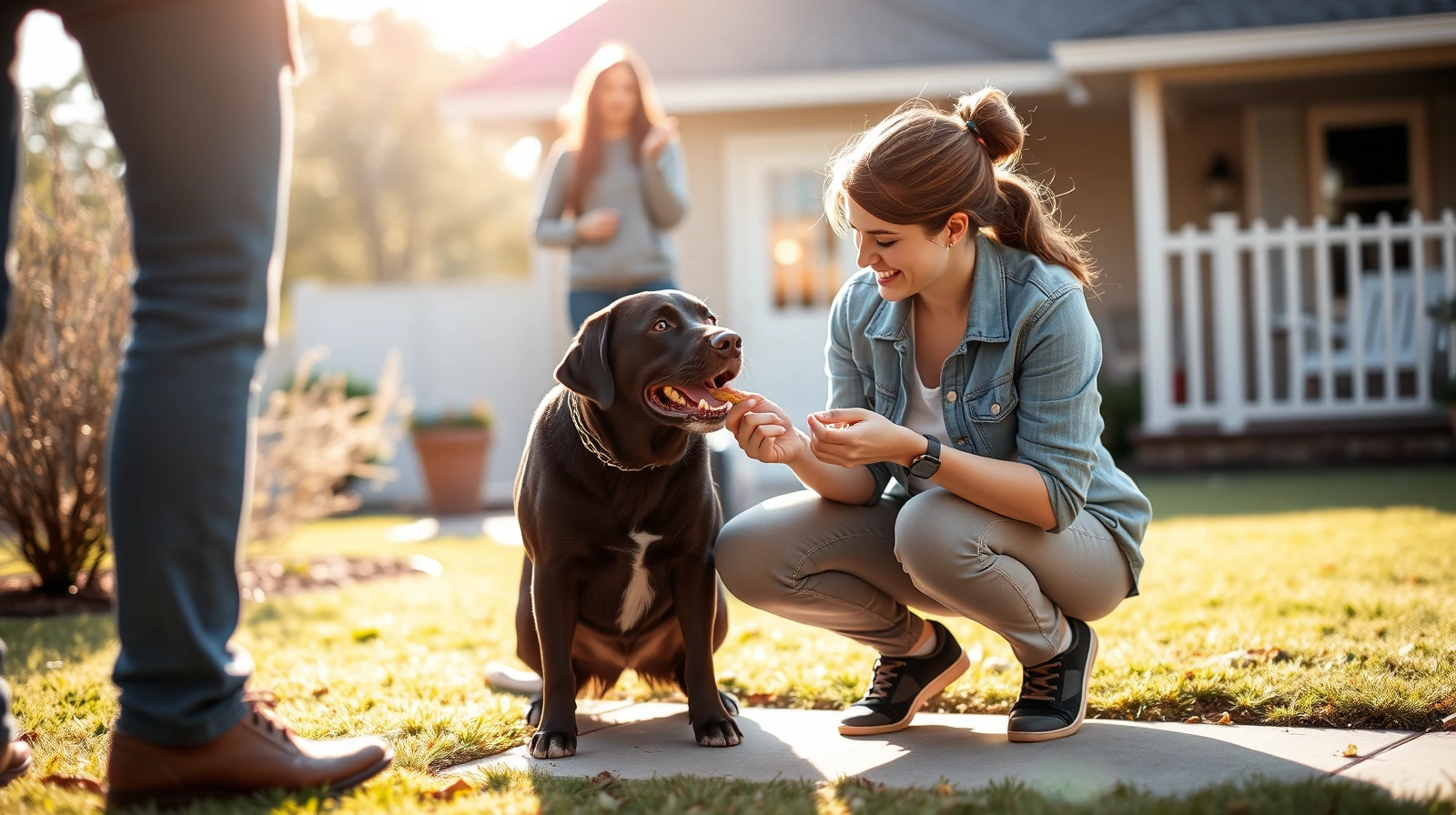
A friendly pet sitter crouching low and offering a treat to a curious labrador while the dog owner watches from a few feet back

The meet-and-greet is the single highest-value 30 minutes of the whole pet sitting hire. Done well, your dog walks into day one of the booking already comfortable with the sitter, and the sitter walks in already knowing the routine. Done badly (or skipped), you have a stranger walking into your home alone with your dog on the first day. Here is the protocol that works, the order it should happen in, and the body-language signals that tell you whether to book or pass.

[cc_quick_take]
A good first meeting is 30 minutes, runs greeting-then-tour-then-routine, lets the sitter approach low and slow, and ends with the sitter handling the leash. Anything less is a stranger walking in cold to your house on day one. Watch your dog more than you watch the sitter, dogs read people faster than people do.

## Answer capsule
Run a 30-minute meet-and-greet a week before the booking. Greet outside, let the sitter approach low and ignore your dog at first, tour the house together, walk through the daily routine, then have the sitter handle the leash and a treat-toss. End with key handover and written instructions. Watch your dog’s body language the whole time.

## BODY (Gutenberg / HTML blocks)

The meet-and-greet is the single highest-value 30 minutes of the whole pet sitting hire. Done well, your dog walks into day one of the booking already comfortable with the sitter, and the sitter walks in already knowing the routine. Done badly (or skipped), you have a stranger walking into your home alone with your dog on the first day. Here is the protocol that works, the order it should happen in, and the body-language signals that tell you whether to book or pass.

For more on hiring trusted help, see our pet sitting hub.

Before the meet-and-greet

  • Confirm 30-45 minutes on the calendar. Not “swing by.” This is a working appointment.
  • Have your written instructions ready: feeding amounts and times, medications, walking routine, vet info, emergency contacts. Print them or share digitally.
  • Pre-share key facts: trigger words, food allergies, reactivity, fears, anything your dog needs the sitter to know on day one.
  • Brief the sitter to come without other pets (no “I brought my dog along to play”).
  • Set the home up the way it will be during the booking: same crate setup, same gates, same food bowl location.

If you have not yet vetted your sitter on the basics, do that first. Our 25 questions to ask a pet sitter guide is the screening pass before the meet-and-greet.

A pet sitter walking calmly down a residential sidewalk holding the leash of a relaxed labrador

The 30-minute protocol

Minutes 0-5: outside greeting

Meet outside the home if you can, in the front yard or driveway. New people are easier on a dog when there is space to move and the dog is not defending interior territory. Have your dog on a leash. Ask the sitter to:

  • Stand still and slightly side-on, not facing the dog head-on
  • Avoid eye contact for the first 30 seconds
  • Crouch (don’t loom) and let the dog approach if they want
  • Offer a treat from a flat palm, not above the head

You are watching for loose body language: soft eyes, mouth slightly open, tail at neutral or wagging low. A frozen, tense, or fully-tail-tucked dog is telling you something. So is a sitter who ignores all of the above and immediately reaches for your dog’s head.

Minutes 5-10: walk into the home together

You go first, dog second, sitter last. This tells your dog the sitter is allowed here. Once inside, let your dog off the leash if that is normal at home. Have the sitter stay where they are and let your dog do another approach if they want. Some dogs need 10 minutes to relax inside.

Minutes 10-20: walk-through of the routine

While your dog settles, walk the sitter through everything:

  • Where food, treats, medications, leashes, harness, poop bags, and cleaning supplies live
  • Feeding amounts and timing (show them with the actual measuring cup)
  • Medication routine if applicable (demonstrate giving a pill or dose)
  • Where the dog sleeps, where they hide when stressed, where you do not want them
  • Outside areas: yard access, gates that need closing, any walking routes you prefer or avoid
  • Crate or gates if used, and what the routine is around them
  • House basics: thermostat, alarm code, garbage day, anything they will touch

Minutes 20-25: sitter handles the leash

Have the sitter take the leash and walk your dog around the block. You go along, but quiet, watching how your dog reacts to a new handler. Look for: does your dog walk willingly, check in with the sitter, sit when asked, take a treat from them? Or do they pull back to you constantly, refuse to engage, or shut down? A short walk tells you more than a 20-minute conversation will.

Minutes 25-30: key handover, instructions, questions

Hand over (or arrange) the key. Confirm written instructions and emergency contacts are in place. Confirm communication preferences: how often you want updates, what app or text thread. Confirm any final logistics: arrival time on day one, parking, neighbors to expect, vet authorization paperwork. Ask the sitter one last question: “Is there anything about my dog or my home that gives you pause?” Their answer tells you how seriously they are taking the booking.

What to watch for in your dog

  • Good signs: approaches voluntarily, takes treats from the sitter, accepts being touched on the side or chest, settles down within 10-15 minutes
  • Mixed signs: wary but not panicked, observes from a distance, takes treats only when you ask, takes longer to settle (acceptable, ask for a second meet)
  • Bad signs: sustained stiffness, tail clamped, growl, snap, sustained hiding, refusing to engage even after 20 minutes

Bad signs do not always mean the sitter is wrong; they may mean your dog needs a different format of care (in-home only, no walks with a stranger, etc.). They also may mean this is not the right sitter for your dog. Either way, do not book against your dog’s clear “no.”

What to watch for in the sitter

  • Reads your dog’s body language and adjusts on their own (slowing down, giving space)
  • Asks questions about routine, medication, quirks, before you have to volunteer them
  • Comes with a notebook or app, and writes things down
  • Brings their own treats (good ones bring high-value treats and ask if they can use them)
  • Is calm with you and with the dog, not in a hurry

Red flags: ignoring everything above, going straight for the head pat, talking to you the entire time instead of engaging with the dog, being on their phone, rushing through the routine walk-through. A pro takes the meet-and-greet as seriously as you do.

If your dog is fearful or reactive

Build in two or three meet-and-greets instead of one. The first is outside only, no entering the home. The second includes a short home tour. The third has the sitter handling the leash. Each meeting is 20-30 minutes, separated by at least a few days. For dogs with significant reactivity, an in-home format with the same sitter daily is often safer than any change of context; our boarding for reactive dogs guide covers that decision in depth.

How long should a pet sitter meet-and-greet be?
30 to 45 minutes for a standard booking, with a few minutes of buffer for questions. Anything shorter and you have not actually walked the routine together. For fearful or reactive dogs, plan on two or three shorter meetings instead.
Should the sitter bring treats?
Yes, a good sitter brings their own. It is worth asking if you can use your own dog’s treats (some dogs have allergies or stomach sensitivities). Treat-tossing during the introduction is one of the fastest ways to build positive association with a new person.
Should I be at home during the meet-and-greet?
Always for the first one. You are there to introduce, observe, and answer questions. For repeat clients you trust, future bookings may not need a fresh greeting, but the first booking always does.
What if my dog doesn’t like the sitter?
Trust your dog. If you see sustained stress signals, do not book. Try a different sitter, or a different format (in-home drop-in visits only, no walks; or a daycare with familiar staff). A nervous dog with the wrong sitter is a bite waiting to happen.
How soon before the booking should the meet-and-greet happen?
A week to two weeks before is ideal. Long enough for your dog to forget the stress of the meeting itself but close enough to keep the recognition. Day-of meet-and-greets are worse than no meet-and-greet, your dog has no time to relax before the real booking starts.
Do I need a separate meet-and-greet for repeat sitters?
Not usually. Once a sitter has successfully completed a stay and your dog is comfortable with them, future bookings can skip the meeting. Do touch base briefly the day before the next booking to confirm any changes in routine.

The bottom line

30 minutes of structured introduction is the difference between a sitter who can do the job and a stranger you handed a key to. Greet outside, enter together, walk the routine, hand over the leash, confirm the paperwork. Watch your dog more than you watch the sitter, dogs read people fast and they are usually right. Get this right and your trip is calm. Skip it and you are betting the booking on hope.

[/cc_quick_take]

Before the meet-and-greet

  • Confirm 30-45 minutes on the calendar. Not “swing by.” This is a working appointment.
  • Have your written instructions ready: feeding amounts and times, medications, walking routine, vet info, emergency contacts. Print them or share digitally.
  • Pre-share key facts: trigger words, food allergies, reactivity, fears, anything your dog needs the sitter to know on day one.
  • Brief the sitter to come without other pets (no “I brought my dog along to play”).
  • Set the home up the way it will be during the booking: same crate setup, same gates, same food bowl location.

If you have not yet vetted your sitter on the basics, do that first. Our 25 questions to ask a pet sitter guide is the screening pass before the meet-and-greet.

The 30-minute protocol

Minutes 0-5: outside greeting

Meet outside the home if you can, in the front yard or driveway. New people are easier on a dog when there is space to move and the dog is not defending interior territory. Have your dog on a leash. Ask the sitter to:

  • Stand still and slightly side-on, not facing the dog head-on
  • Avoid eye contact for the first 30 seconds
  • Crouch (don’t loom) and let the dog approach if they want
  • Offer a treat from a flat palm, not above the head

You are watching for loose body language: soft eyes, mouth slightly open, tail at neutral or wagging low. A frozen, tense, or fully-tail-tucked dog is telling you something. So is a sitter who ignores all of the above and immediately reaches for your dog’s head.

Minutes 5-10: walk into the home together

You go first, dog second, sitter last. This tells your dog the sitter is allowed here. Once inside, let your dog off the leash if that is normal at home. Have the sitter stay where they are and let your dog do another approach if they want. Some dogs need 10 minutes to relax inside.

Minutes 10-20: walk-through of the routine

While your dog settles, walk the sitter through everything:

  • Where food, treats, medications, leashes, harness, poop bags, and cleaning supplies live
  • Feeding amounts and timing (show them with the actual measuring cup)
  • Medication routine if applicable (demonstrate giving a pill or dose)
  • Where the dog sleeps, where they hide when stressed, where you do not want them
  • Outside areas: yard access, gates that need closing, any walking routes you prefer or avoid
  • Crate or gates if used, and what the routine is around them
  • House basics: thermostat, alarm code, garbage day, anything they will touch

Minutes 20-25: sitter handles the leash

Have the sitter take the leash and walk your dog around the block. You go along, but quiet, watching how your dog reacts to a new handler. Look for: does your dog walk willingly, check in with the sitter, sit when asked, take a treat from them? Or do they pull back to you constantly, refuse to engage, or shut down? A short walk tells you more than a 20-minute conversation will.

Minutes 25-30: key handover, instructions, questions

Hand over (or arrange) the key. Confirm written instructions and emergency contacts are in place. Confirm communication preferences: how often you want updates, what app or text thread. Confirm any final logistics: arrival time on day one, parking, neighbors to expect, vet authorization paperwork. Ask the sitter one last question: “Is there anything about my dog or my home that gives you pause?” Their answer tells you how seriously they are taking the booking.

What to watch for in your dog

  • Good signs: approaches voluntarily, takes treats from the sitter, accepts being touched on the side or chest, settles down within 10-15 minutes
  • Mixed signs: wary but not panicked, observes from a distance, takes treats only when you ask, takes longer to settle (acceptable, ask for a second meet)
  • Bad signs: sustained stiffness, tail clamped, growl, snap, sustained hiding, refusing to engage even after 20 minutes

Bad signs do not always mean the sitter is wrong; they may mean your dog needs a different format of care (in-home only, no walks with a stranger, etc.). They also may mean this is not the right sitter for your dog. Either way, do not book against your dog’s clear “no.”

What to watch for in the sitter

  • Reads your dog’s body language and adjusts on their own (slowing down, giving space)
  • Asks questions about routine, medication, quirks, before you have to volunteer them
  • Comes with a notebook or app, and writes things down
  • Brings their own treats (good ones bring high-value treats and ask if they can use them)
  • Is calm with you and with the dog, not in a hurry

Red flags: ignoring everything above, going straight for the head pat, talking to you the entire time instead of engaging with the dog, being on their phone, rushing through the routine walk-through. A pro takes the meet-and-greet as seriously as you do.

If your dog is fearful or reactive

Build in two or three meet-and-greets instead of one. The first is outside only, no entering the home. The second includes a short home tour. The third has the sitter handling the leash. Each meeting is 20-30 minutes, separated by at least a few days. For dogs with significant reactivity, an in-home format with the same sitter daily is often safer than any change of context; our boarding for reactive dogs guide covers that decision in depth.

How long should a pet sitter meet-and-greet be?
30 to 45 minutes for a standard booking, with a few minutes of buffer for questions. Anything shorter and you have not actually walked the routine together. For fearful or reactive dogs, plan on two or three shorter meetings instead.
Should the sitter bring treats?
Yes, a good sitter brings their own. It is worth asking if you can use your own dog’s treats (some dogs have allergies or stomach sensitivities). Treat-tossing during the introduction is one of the fastest ways to build positive association with a new person.
Should I be at home during the meet-and-greet?
Always for the first one. You are there to introduce, observe, and answer questions. For repeat clients you trust, future bookings may not need a fresh greeting, but the first booking always does.
What if my dog doesn’t like the sitter?
Trust your dog. If you see sustained stress signals, do not book. Try a different sitter, or a different format (in-home drop-in visits only, no walks; or a daycare with familiar staff). A nervous dog with the wrong sitter is a bite waiting to happen.
How soon before the booking should the meet-and-greet happen?
A week to two weeks before is ideal. Long enough for your dog to forget the stress of the meeting itself but close enough to keep the recognition. Day-of meet-and-greets are worse than no meet-and-greet, your dog has no time to relax before the real booking starts.
Do I need a separate meet-and-greet for repeat sitters?
Not usually. Once a sitter has successfully completed a stay and your dog is comfortable with them, future bookings can skip the meeting. Do touch base briefly the day before the next booking to confirm any changes in routine.

The bottom line

30 minutes of structured introduction is the difference between a sitter who can do the job and a stranger you handed a key to. Greet outside, enter together, walk the routine, hand over the leash, confirm the paperwork. Watch your dog more than you watch the sitter, dogs read people fast and they are usually right. Get this right and your trip is calm. Skip it and you are betting the booking on hope.