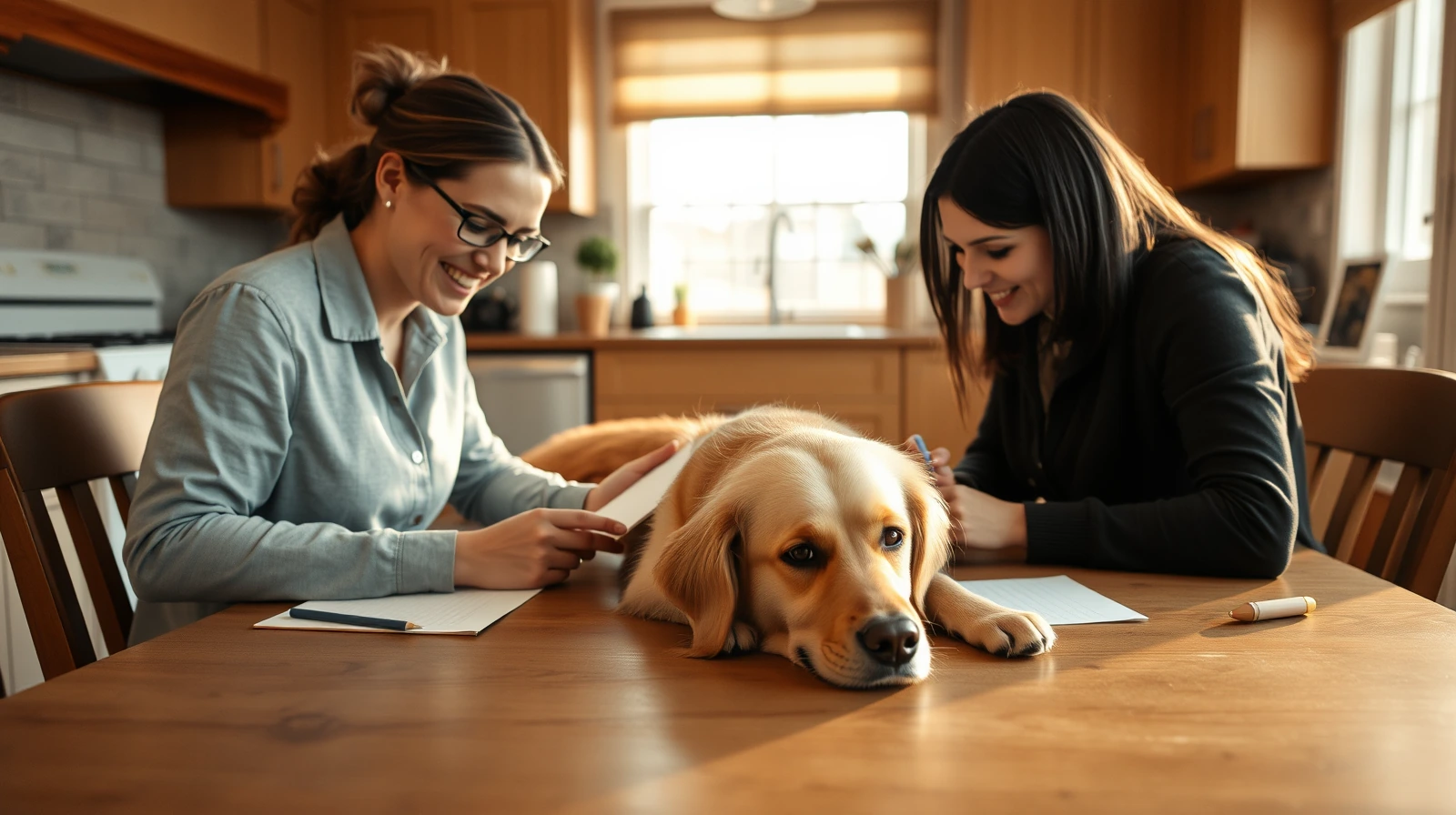
Hiring a pet sitter means handing a stranger a key to your home and a leash to your dog. The 30 minutes you spend interviewing them is the single highest-leverage step in the process. The right questions surface someone competent, insured, and right for your dog. The wrong questions leave you with vibes-based hiring. Here are 25 questions organized by topic, plus the answers that should make you walk away.
[cc_quick_take]
The best pet sitter interview covers five things: experience and credentials, insurance and bonding, emergency and vet protocols, your dog's specific routine, and communication. If they cannot give clean answers on insurance and emergency steps, that is a hard no. Asking these 25 questions up front saves you from picking a stranger who is great with their own dog but wrong for yours.
[/cc_quick_take]
The right questions matter, but so does the search itself. Here is how to find a trustworthy dog sitter you can rely on.
Before the interview: get the basics in writing
Send a short questionnaire before the meet-and-greet so you do not waste anyone's time on a bad fit. Cover: dates of service, services needed (drop-in visits, overnight, house sitting), number and species of pets, any medications, and whether you need them to bring in mail or water plants. If you are not sure which service you need, our boarding vs pet sitting guide covers the difference, and our pet sitting cost guide covers the typical rates.

Experience and credentials (5 questions)
- How long have you been pet sitting professionally? You want years, not months, especially for overnight or special-needs care.
- What kinds of pets and breeds have you cared for? A sitter whose experience is all small dogs may not be the right fit for a 90-pound shepherd, and vice versa.
- Are you certified in pet first aid and CPR? Not mandatory, but a strong positive signal.
- Are you a member of a professional association? Pet Sitters International (PSI) and the National Association of Professional Pet Sitters (NAPPS) require ethical standards from members.
- Do you have references I can call? Two minimum, both within the last year. Actually call them.
Insurance and bonding (3 questions, all hard required)
- Do you carry liability insurance? Required. Ask to see the policy or a certificate of insurance. Hesitation here is a walk-away.
- Are you bonded? A surety bond protects you if they steal from your home. Standard for professional sitters.
- Are you legally registered as a business? Sole proprietor or LLC. Lets you write off the cost as a business expense if applicable, and signals they take this seriously.
If any of these three answers is "no" or vague, you are not looking at a professional. Friends and neighbors are fine for casual help; for paid sitting, insurance and bonding are non-negotiable. The same standard applies to our guide on senior dog sitting and boarding, where the stakes are higher.
Emergencies and vet protocol (4 questions)
- What is your protocol if my pet becomes sick or injured? They should answer step-by-step: assess, contact you, transport to your vet or the nearest emergency hospital.
- Are you comfortable giving medications, including injections? Important for diabetic pets, seniors, or any pet on regular meds.
- What if you cannot reach me? They should ask for an emergency contact and a written authorization to seek treatment up to a stated dollar amount.
- What is your home emergency protocol? Burst pipe, power outage, lockout. A pro has a plan.
Daily routine and pet care (6 questions)
- How long are your visits? Standard drop-ins are 20 to 30 minutes. If they say 10 minutes, your dog will be under-walked.
- Will you follow my dog's exact feeding and walking schedule? The answer should be yes, with no creativity, especially for senior or anxious dogs.
- How many other pets will you be caring for during my booking? A sitter juggling 12 clients per day cannot stay 30 minutes at each.
- Will you take my dog to dog parks or off-leash areas? Most owners want a yes/no policy in writing. Many decline parks for liability reasons.
- Do you have other dogs in your care that mine will meet? Relevant if they do home boarding rather than drop-in visits.
- Can you handle my pet's specific quirks? Walk through reactivity triggers, food guarding, escape attempts, separation anxiety. A pro will not pretend a dog they cannot handle is fine.
Communication and updates (4 questions)
- How often will I get photos and updates? At least one update per visit. Photos build trust.
- What is the best way to reach you during my trip? Phone, text, app? Confirm response time expectations.
- Do you use a scheduling or GPS-tracking app? Apps like Time to Pet, Pet Sitter Plus, or Scout for The Doorman are common professional tools. GPS-tracked walks are now standard.
- Will you confirm bookings in writing? A signed agreement listing dates, services, fees, and emergency authorization is professional baseline.
Logistics and backup (3 questions)
- How do you handle keys? They should explain key storage, return process, and what happens if a key is lost (locksmith reimbursement is standard).
- What is your backup plan if you get sick during my trip? A pro has a named backup sitter and will introduce you in advance.
- What is your cancellation and refund policy? Get it in writing, both directions, since trips and sitters both occasionally fall through.
Red flags: when to walk away
- No insurance, no bonding, no business registration. Hard no for paid sitting, no exceptions.
- Vague or fast answers on emergency protocol. Means they have not actually thought about it.
- Refuses a meet-and-greet or rushes through it. The meeting is for both of you and your dog.
- No references they will let you contact or only "friends" as references.
- Pushes you toward a long-term contract before a single trial visit.
- Bad vibes between them and your dog. Trust this. Your dog is reading them faster than you are.
If you are vetting an online platform sitter (Rover, TrustedHousesitters, Care.com) rather than an independent, see our reviews of Rover, TrustedHousesitters, and Care.com for the platform-specific protections (or lack of them) you should know about.
What is the most important question to ask a pet sitter?
How many references should a pet sitter have?
Should I require a meet-and-greet before booking?
How long should a pet sitting visit be?
What should be in a pet sitter agreement?
How do I check if a pet sitter is actually insured?
What does a good answer to "what if my pet gets sick" sound like?
Should I do a trial visit before booking a pet sitter?
Is a Rover or Care.com sitter as safe as an independent professional?
The bottom line
You are not just hiring help, you are picking who handles a small emergency at 2 AM if one happens. The 25 questions above let you screen for competence, coverage, and fit in one conversation. Set the floor at insured, bonded, and willing to do a meet-and-greet with written references, then judge fit by how they interact with your dog. Skip anyone who is vague on insurance or emergencies, and you will end up with a sitter who is genuinely worth what you are paying.
What good answers actually sound like
The questions only help if you know how to read the replies. A professional's answers are specific, calm, and confident. An amateur's are vague, eager, and short on detail. Use this as a translation key:
| Question | Strong answer (hire signal) | Weak answer (keep looking) |
|---|---|---|
| Can you give medications? | "I've given insulin to cats for three years, and I'll text you a photo each time I dose." | "Sure, I can figure it out." |
| What if my pet gets sick? | "I assess, call you, then transport to your vet or the nearest 24-hour ER, with written authorization up to your limit." | "I'd probably call you." |
| What's your backup plan? | "I have two trained backups who already have access to your pet's care notes." | "I never get sick." |
| How will you update me? | "One photo and a short note per visit through Time to Pet, plus a same-day reply to texts." | "I'll send something when I can." |
The single best credential is one you do not even have to ask for: a good sitter asks more questions than you do. If they want to know your dog's reactivity triggers, where it likes to rest, how it signals a potty need, and what its normal appetite looks like, that curiosity is the professionalism. A sitter who shows up bubbly and confident but never asks about your pet is a quiet red flag.
Always run a trial visit first
A meet-and-greet is the conversation. A trial visit is the audition. Before a multi-day booking, especially for an anxious, senior, or special-needs pet, ask the sitter to do one short paid drop-in or trial walk while you are still reachable. It lets you:
- Watch how your dog actually responds to this person, not just how the person talks.
- Confirm they can manage real-world quirks (pulling on leash, door-darting, food guarding) rather than describing them.
- Surface logistics problems (a sticky lock, an alarm code, a gate latch) before they matter at 9 PM on day one.
- Give your pet a familiar face before you leave, which lowers stress on the real booking.
Skip the trial only for a confident, low-needs adult pet on a short trip. For anything higher-stakes, the trial is cheap insurance. The same logic carries into our senior dog sitting and boarding guide, where a trial run matters even more.
Vetting a platform sitter vs an independent
Who you are interviewing changes which questions carry the most weight. An independent professional and a gig-platform sitter (Rover, Care.com, TrustedHousesitters) are not vetted the same way, so adjust:
- Independent pro: ask directly for their certificate of insurance, surety bond documentation, and business registration. They own these and can produce them. Press hardest on backup coverage, since a solo operator getting sick is your biggest exposure.
- Platform sitter: ask what the platform's guarantee actually covers and what it excludes, because many "protections" are reimbursement programs with caps and conditions, not true liability insurance. Confirm whether the individual carries their own coverage on top. Check their review count and read the lukewarm reviews, not just the five-star ones.
In both cases, GPS-tracked walks and an app-based visit log (Time to Pet, Pet Sitter Plus, Scout) are now standard professional tools, so their absence is worth a question. If you are comparing platforms, weigh the cost of a dog walker and the pet sitting cost before you book, since platform fees stack on top of the sitter's rate.
Make the meet-and-greet do double duty
The in-person meeting is not just a vibe check. Run it as a working session so the booking starts clean:
- Walk the route through your home the sitter will use: feeding station, leash and harness, where meds live, litter or potty spot, the thermostat, and the breaker box.
- Hand over and test access then and there: a key, code, or lockbox, and confirm how it gets returned.
- Do the feeding and meds once together so portions and handling match exactly.
- Write the routine down rather than relying on memory, and have both sides sign the agreement covering dates, visit length, fees, emergency authorization, and cancellation terms.
A sitter who treats the meet-and-greet as a formality to rush through is telling you how they will treat the visits. A pro slows down and takes notes.
The Canine Cab take: the fastest way to grade a sitter is to count who asks more questions. In our experience the professional you want will out-question you, wanting to know your dog's reactivity triggers, resting spots, potty signals, and normal appetite before they ever quote a price. If you finish the meet-and-greet having done all the asking, that imbalance is your answer, no matter how warm the sitter seemed.
More pet-sitting guides: