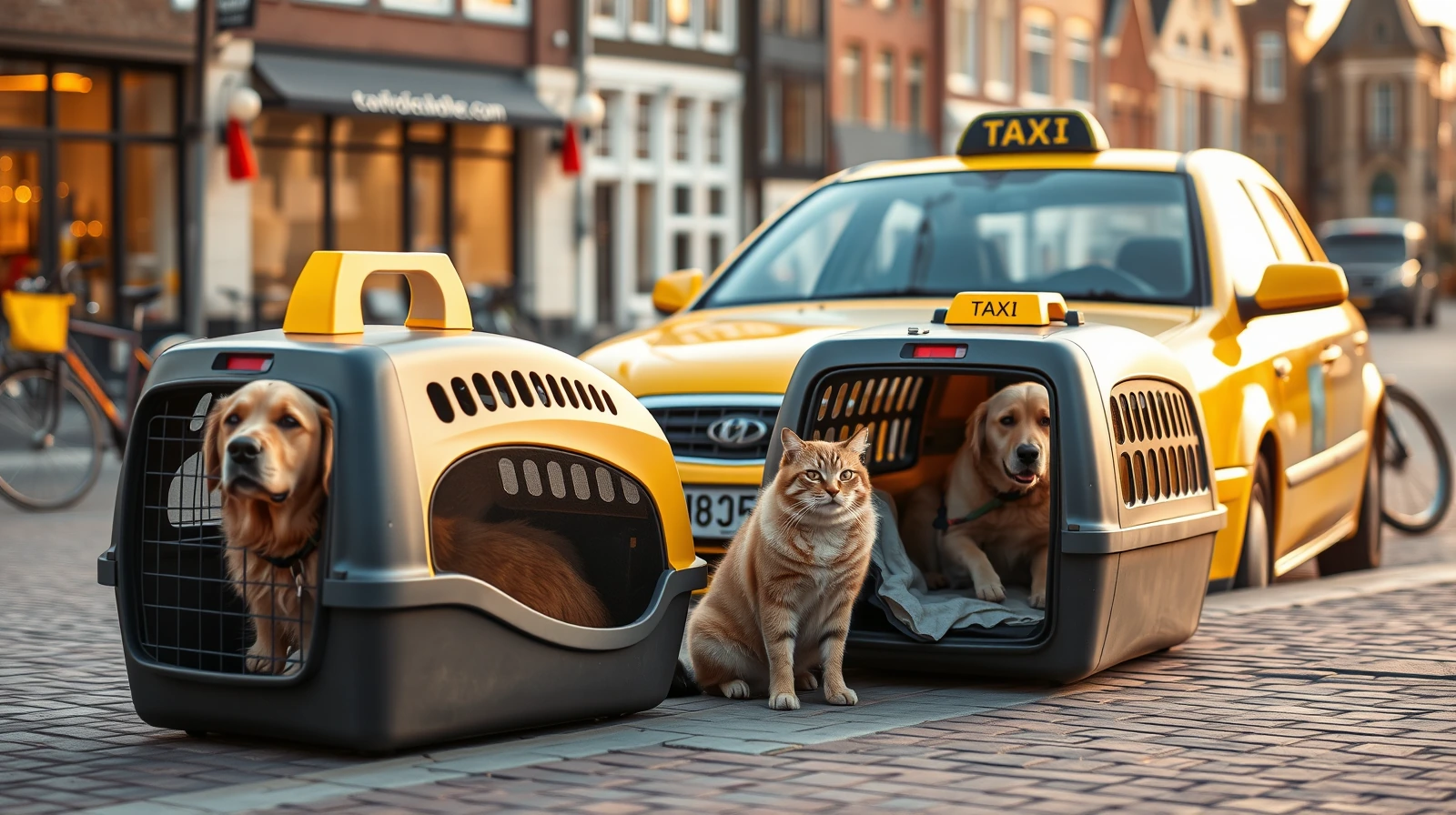
Bringing a dog or cat to the Netherlands from the US takes roughly 4 to 6 weeks: an ISO microchip first, then a rabies shot (pet at least 12 weeks old), a 21-day wait, and a USDA-endorsed EU health certificate valid 10 days. Dogs now also need Dutch UBN registration. No quarantine.
Bringing a dog or cat to the Netherlands from the US takes roughly 4 to 6 weeks of prep: an ISO microchip first, then a rabies shot (pet must be at least 12 weeks old), a 21-day wait, and a USDA-endorsed EU health certificate valid 10 days. Dogs now also need a Dutch UBN registration before the first vet visit. No quarantine. Confirm current rules with USDA APHIS and the NVWA before you travel.
See also Moving Abroad With a Dog.
The short version: what the Netherlands requires from US pets
The Netherlands follows the European Union's harmonized rules for non-commercial movement of dogs and cats, with one extra Dutch wrinkle for dogs that took effect in April 2025. According to the USDA APHIS US-to-Netherlands export page and the Dutch food and consumer product safety authority (NVWA), a properly documented pet from the United States faces no quarantine on arrival. The catch is sequence: a few steps only count if they happen in the right order, and getting the order wrong can reset your timeline by weeks.
Here is the core checklist, in order. Treat it as a starting map and verify every line against the official sources below, because import rules and fees change.
- ISO 11784/11785 microchip implanted first, before (or on the same day as) the rabies vaccination. A chip read after the shot does not count.
- Rabies vaccination given on or after the chip date, with the pet at least 12 weeks old.
- 21-day wait after the rabies shot before the pet can enter the EU. Day one is the day after vaccination.
- USDA-endorsed EU health certificate, completed by a USDA-accredited vet and endorsed by your APHIS Veterinary Services endorsement office. It is valid for 10 days from issue to the EU point-of-entry check.
- UBN registration for dogs (new since April 8, 2025): the importer registers in the Dutch UBN system before the first vet visit.
- Accompanied movement: the owner or a designated person travels within 5 days of the pet to keep it non-commercial.
The timeline, week by week
Most owners start about six weeks out to leave slack for the 21-day rabies wait and the tight 10-day health-certificate window at the end. The table below maps the standard sequence. Dates are illustrative; your vet and your APHIS endorsement office set the real ones, so confirm timing directly with them before booking flights.
| When | Step | Why it matters |
|---|---|---|
| ~6 weeks out | Apply for a UBN (dogs) at my.rvo.nl with DigiD; confirm your vet is USDA-accredited | UBN must exist before the first vet visit; not every clinic is accredited for export |
| ~5 weeks out | Verify or implant an ISO 11784/11785 microchip | Chip must predate or match the rabies shot date |
| ~5 weeks out (same visit) | Rabies vaccination, pet at least 12 weeks old | Starts the mandatory 21-day clock |
| 21+ days later | Wait period elapses | Pet cannot enter the EU before day 21 passes |
| Within 10 days of travel | USDA-accredited vet completes the EU health certificate; APHIS endorses it | Certificate is valid only 10 days to the entry check |
| Travel day | Owner or designated person travels within 5 days of the pet | Keeps the move non-commercial |
| Within 14 days of arrival | Dogs: visit a Dutch vet to finish import registration and get an EU pet passport | Completes the UBN-linked registration in the Netherlands |
The two genuinely unforgiving windows are the 21-day rabies wait (you cannot shorten it) and the 10-day health-certificate validity (you cannot stretch it). Everything else has give. If you are also weighing a neighbouring EU route, our guides to pet transport to Germany and pet transport to Switzerland walk through the same EU backbone with each country's local quirks.
The UBN and DigiD step that trips most dog owners up
This is the detail that catches people who prepped using older guides. Since April 8, 2025, anyone importing a dog into the Netherlands is legally required to register in the Dutch UBN system (Uniek Bedrijfsnummer, a unique registration number used to track animal keepers). According to the NVWA and the Netherlands Enterprise Agency (RVO), this applies to private owners moving their own dog, not just commercial importers. Cats are not covered by the UBN requirement at the time of writing, but always reconfirm scope with the NVWA before you rely on that.
The sequence matters because the registration must exist before your dog's first relevant vet visit, and the registration uses DigiD, the Dutch government's online identity login. Here is the practical path most US owners follow:
- Set up DigiD. DigiD is the Dutch digital ID. Newcomers usually need a Dutch citizen service number (BSN) to activate it, which you typically get after registering with your municipality on arrival. If you do not yet have DigiD, the RVO and NVWA describe alternative routes, so contact them early to confirm how to register from abroad.
- Apply for a UBN at my.rvo.nl. Log in with DigiD and request the UBN tied to your address as an animal keeper. Do this before the first vet visit in the import chain.
- Carry the UBN through the process. Your paperwork and your Dutch vet will reference it.
- Finish registration after arrival. Within 14 days of landing, take the dog to a Dutch vet to complete the import registration and obtain an EU pet passport. The passport becomes the dog's travel document for future EU trips.
The friction point is timing DigiD and the UBN against a vet schedule while you may still be in the US. Start this thread first, before you book the rabies appointment, and ask the NVWA directly how owners without a BSN should proceed. Rules in this area are new and still being clarified, so confirm the current process with the NVWA and RVO rather than trusting any third-party summary, including this one.
Accompanied in-cabin or cargo: what changes
The EU import rules are the same whether your pet flies in the cabin, as checked baggage, or as manifest cargo. What changes is the airline's own policy, the cost, and the comfort tradeoffs. The Netherlands' main gateway is Amsterdam Schiphol, where pets clear the EU entry check; on a direct US-to-Schiphol flight, that check happens there rather than at an intermediate EU airport.
One non-negotiable: the move must stay non-commercial for these simplified rules to apply, which means the owner or a designated person travels within 5 days of the pet. If the pet flies as unaccompanied cargo well outside that window, you may cross into commercial import territory with extra requirements. Confirm with the NVWA which category your trip falls under before booking.
- In-cabin: usually only for small dogs and cats under a combined pet-and-carrier weight limit (often around 8 kg, but airline-specific). Cheapest and lowest-stress, when your pet qualifies.
- Checked baggage / accompanied cargo: for medium and large pets travelling on the same itinerary as you. More expensive, climate-controlled hold.
- Manifest cargo: for pets shipped separately or above baggage limits, typically booked through the airline's cargo division or a pet shipper.
Carriers vary in how they structure cabin versus cargo bookings into European hubs, so check your airline's animal-transport program directly. For the broader tradeoff, our cargo vs in-cabin comparison lays out the decision logic by pet size and temperament.
Snub-nosed breeds and heat: a real cargo caution
Brachycephalic (snub-nosed) dogs and cats, think Bulldogs, Pugs, Boxers, and Persian cats, have a higher risk of breathing distress under the heat and stress of air travel, and many airlines restrict or ban them from the cargo hold for this reason. The American Veterinary Medical Association (AVMA) notes these breeds are more vulnerable to temperature extremes and oxygen deprivation in transit.
If you own a snub-nosed pet, plan around it early: check the airline's specific breed policy, favour cooler-season travel and direct routings, and consider in-cabin options if your pet is small enough to qualify. An IATA-compliant crate with proper sizing and ventilation matters for any pet flying in the hold. None of this changes the EU paperwork, but it heavily shapes which travel mode is safe and available to you.
What it costs (ranges, not promises)
Costs vary widely by pet size, travel mode, and whether you DIY or hire a shipper, so treat the figures below as broad planning ranges and get written quotes before committing. We have rounded to ballpark bands from typical owner-reported ranges and shipper quotes; confirm current pricing directly with your vet, airline, and any pet-transport company before booking.
| Line item | Rough range (USD) | Notes |
|---|---|---|
| Microchip (if needed) | $25 - $75 | One-time, if your pet is not already ISO-chipped |
| Rabies vaccination | $20 - $60 | Plus the office visit |
| USDA-accredited vet health certificate | $100 - $400 | Varies by clinic and pet count |
| APHIS endorsement fee | ~$38 - $173 | Confirm the current schedule on the APHIS site |
| Airline pet fee, in-cabin | $125 - $250 each way | Airline-specific |
| Cargo / checked pet (medium-large) | $200 - $1,000+ | Highly route- and weight-dependent |
| Full-service pet shipper (door-to-door) | $1,500 - $5,000+ | Bundles paperwork, crate, and logistics |
For a deeper breakdown of international air-shipping economics, see our international pet shipping cost guide. The single biggest swing is DIY versus full-service, covered next.
DIY versus hiring a shipper
There is no single right answer. The decision turns on your pet's size and temperament, your tolerance for paperwork, and whether your travel dates are flexible. Use this framework:
DIY makes sense when
- Your pet is small enough to fly in-cabin with you on a direct or simple routing.
- You are comfortable coordinating the vet, the 21-day clock, the UBN/DigiD steps, and the APHIS endorsement yourself.
- Your dates are flexible enough to absorb a delay if a step slips.
A professional shipper earns its fee when
- Your pet is large, snub-nosed, or anxious and must travel as cargo.
- You are relocating on a tight timeline and cannot afford a paperwork error.
- You want door-to-door handling, including crate sourcing and the Schiphol entry process.
If you go the shipper route, look for IPATA membership and, where relevant, USDA registration. Our guide to USDA-certified pet transport explains what that credential does and does not mean. Whichever path you choose, the EU import requirements are identical; the only thing you are buying from a shipper is logistics and risk reduction, not a shortcut around the rules.
Arriving at Schiphol
On a direct flight from the US, Amsterdam Schiphol is your EU point of entry, and that is where the documentary check on your microchip, rabies record, and endorsed health certificate happens. Have the paperwork accessible, not packed in a checked bag. If you connect through another EU country first, the entry check typically occurs at that first EU airport instead, so plan layovers with that in mind. For dogs, remember the post-arrival to-do: visit a Dutch vet within 14 days to complete import registration and collect the EU pet passport. Confirm the current entry-check process with the NVWA before you fly, since procedures can change.
How we sourced this
This guide is built from primary government and veterinary sources: the USDA APHIS US-to-Netherlands export page for the US-side process and endorsement, the Dutch NVWA for destination import requirements and the post-2025 dog-registration rules, and the AVMA for the brachycephalic-breed air-travel cautions. Cost figures are planning ranges drawn from typical owner-reported and shipper quotes, not fixed prices. Import rules, fees, and airline policies change, sometimes with little notice, so every figure and requirement here should be reconfirmed directly with USDA APHIS, the NVWA, and your airline or shipper before you book.
For the full picture of moving a pet across borders, including other destinations and the documents that travel with your animal, start from our pet relocation hub.
Is there a quarantine for dogs or cats entering the Netherlands from the US?
What is the UBN registration and do I really need it?
How early should I start the process?
How long is the EU health certificate valid?
Can my pet fly in the cabin to the Netherlands?
Are snub-nosed breeds restricted on flights to the Netherlands?
What does it cost to bring a pet to the Netherlands?
What do I do after arriving in the Netherlands with a dog?
Sources & references
- aphis.usda.gov https://www.aphis.usda.gov/pet-travel/us-to-another-country-export/pet-travel-us-netherlands
- english.nvwa.nl https://english.nvwa.nl/topics/animal-health/travelling-to-the-netherlands-with-your-dog-or-cat
- avma.org https://www.avma.org/resources-tools/pet-owners/petcare/traveling-your-pet-faq