
Leaving town is harder when your dog is grey around the muzzle. Older dogs often come with medications, stiff joints, special diets, more frequent potty needs, and a low tolerance for noise and change, exactly the things a busy kennel is worst at. The good news is that senior dogs can be cared for beautifully while you are away, as long as you match the type of care to their needs and prepare properly. This guide covers the central decision (sitter or boarding), what older dogs actually need, what to look for, the questions to ask, and what it costs.
[cc_quick_take]
For most senior dogs, in-home pet sitting beats boarding, because staying home protects their routine, eases mobility, and lowers stress. Boarding can still work if the facility has medication-trained staff, orthopedic bedding, ramps, a quiet area, frequent potty breaks, and a vet on call. Whichever you choose, prepare a written medication schedule and pick care experienced with older dogs.
[/cc_quick_take]
For more on hiring trusted help, see our pet sitting hub.
For a deeper dive, see our guide to how to become a pet sitter: skills, certifications, insurance, and your first clients (2026 guide).
Group play is not off the table as dogs age. Read doggy daycare for senior dogs for the adjustments that keep it safe.
Should you board a senior dog or hire a sitter?
For most senior dogs, in-home pet sitting is the gentler choice. Older dogs lean hard on routine and familiar surroundings, and a sitter who comes to your home, or stays in it, keeps their world intact: same bed, same smells, same potty spot, no stairs they cannot manage, and no boisterous young dogs nearby. They also get one-on-one attention from someone watching for the subtle changes that matter in an aging dog.
That said, boarding is not off the table. A facility that genuinely specializes in senior and special-needs dogs, with the accommodations below, can be a good fit, especially if your dog is social and you want professional eyes on them around the clock. The deciding factors are your dog's health and temperament, and the quality of the specific facility. For the broader version of this comparison across all dogs, see our dog boarding vs pet sitting guide.
What senior dogs need from care
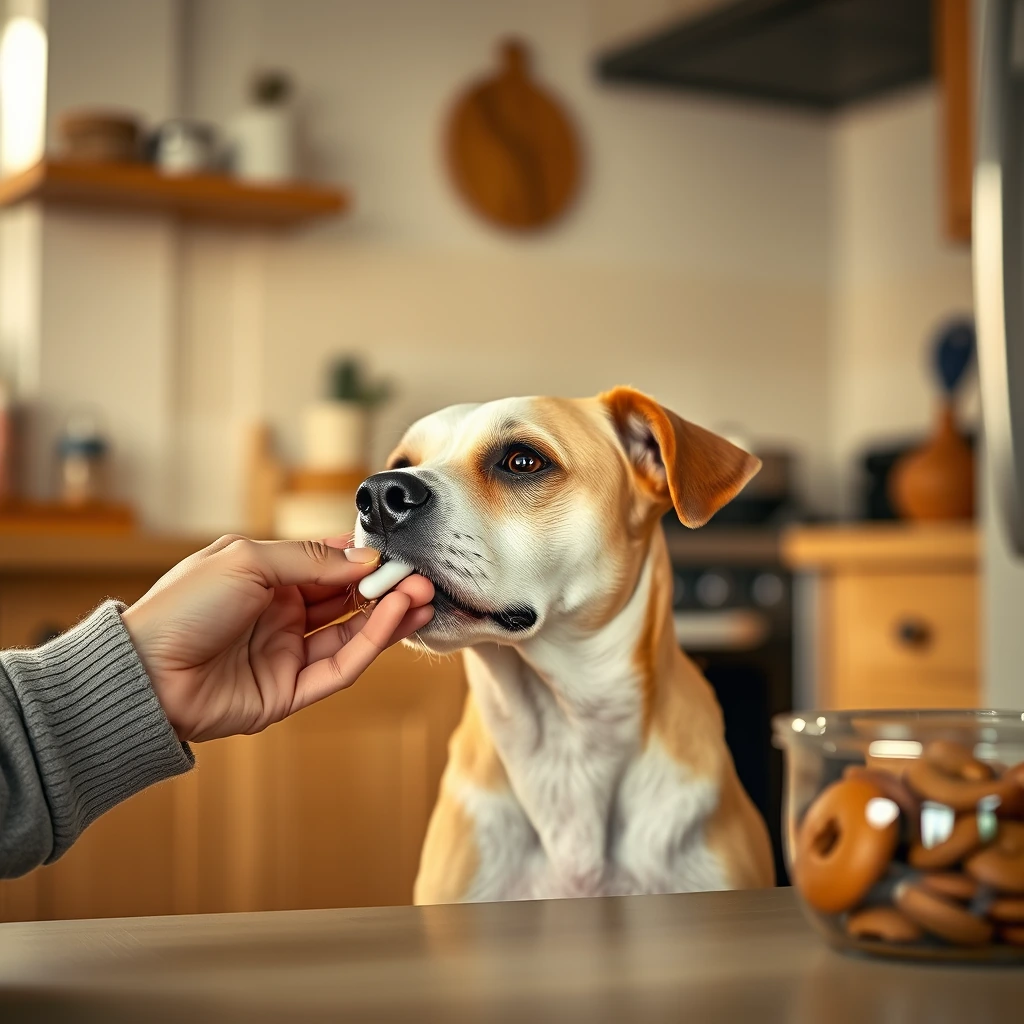
Whatever option you choose, an older dog's care has to cover six things that a younger dog's often does not:
- Reliable medication management. Whoever cares for your dog must be trained and comfortable giving the right dose on schedule, including things like insulin, pain relief, or anxiety medication.
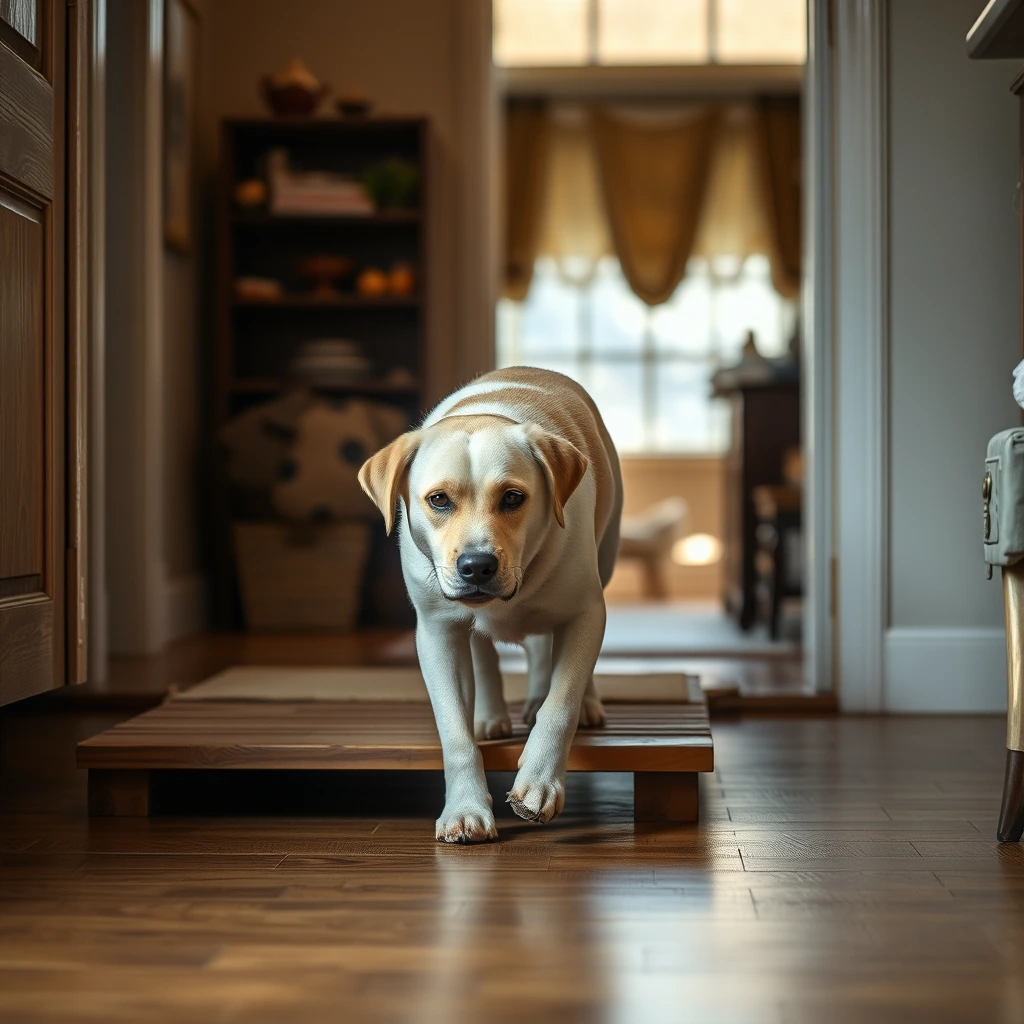
- Mobility support. Ramps instead of stairs, non-slip footing, and orthopedic bedding to cushion aging joints.
- Frequent, flexible potty breaks. Older dogs often cannot hold it as long and may have some incontinence, so they need more bathroom access, not a fixed schedule.
- Diet and supplement consistency. Aging dogs frequently have specific diets and supplements that must be followed exactly to avoid stomach upset or health setbacks.
- A calm, quiet environment. A low-stimulation space away from high-energy puppies and barking, where they can rest, eat, and move comfortably.
- Closer health monitoring. Someone who knows the signs of pain or illness in older dogs and checks on them more often than they would a young dog.
In-home pet sitting for a senior dog
In-home care is often the lowest-stress path for an older dog because it removes the two biggest senior stressors at once: travel and an unfamiliar environment. Your dog stays on home turf with their own routine, and a good sitter handles medication, slower walks, more frequent potty trips, and meal timing exactly as you would.
The bar for the sitter is higher than for a healthy young dog, though. Look for someone with specific experience caring for senior or special-needs dogs, who is comfortable giving your dog's medications, and who carries insurance and solid references. A meet-and-greet before you book lets you watch how they interact with your dog and walk them through the routine. Our pet sitting cost guide covers drop-in versus overnight options, which matters for seniors who should not be alone too long.
Boarding a senior dog: what to look for
If boarding is the right call, screen the facility hard on senior-specific care. The marketing will all sound caring, so ask for specifics:
- Medication-trained staff, comfortable with senior medications and complex schedules, including injectables if needed.
- Orthopedic bedding and ramps, not stairs, with quiet, clean, cushioned sleeping areas.
- A separate quiet wing away from rowdy young dogs, where your senior can rest and decompress.
- Frequent, flexible potty breaks to accommodate reduced bladder control and mobility.
- Strict diet adherence, following your dog's exact food, feeding routine, and supplements.
- A vet on call and an emergency plan, with staff trained to recognize and respond to a senior dog in distress.
- Regular updates, so you hear how your dog is eating, moving, and resting during the stay.
For the general facility-vetting checklist that applies on top of these, see how to choose a dog boarding facility. And if your senior is also anxious or reactive, our guide to boarding reactive and anxious dogs covers lower-stimulation options like no-contact boarding.
Questions to ask and how to prepare
Before any senior dog stay, sitter or facility, cover these:
- Write out the medication schedule. A simple chart or calendar of what, how much, and when keeps doses on time. Send the right measuring devices or insulin needles so amounts match home exactly.
- Leave full vet details and written permission to seek treatment, plus your emergency contact and a backup.
- Bring familiar comfort items: their own bed or blanket, an unwashed item with your scent, and their regular food and supplements. Our boarding packing checklist has the full list.
- Brief them on the small stuff: how your dog signals a potty need, where they like to rest, mobility quirks, and any noises or handling that worry them.
- Ask how and how often you will get updates, so you can spot a problem early.
What does senior dog care cost?
Senior care broadly tracks standard rates, with a premium when extra medical attention is involved. In-home overnight sitting generally runs about $45 to $75 a night, drop-in visits about $20 to $35 each, and kennel boarding about $40 to $50 a night, with senior or medical-needs care often adding a surcharge for medication administration or extra monitoring. The premium is usually worth it: skilled, attentive care for a fragile dog is not the place to chase the lowest price. Compare specifics in our pet sitting cost guide and weigh the formats in our boarding vs sitting comparison.
Is it better to board a senior dog or hire a pet sitter?
Can you board a dog that needs medication?
What should I look for when boarding a senior dog?
How much does senior dog sitting cost?
How do I prepare my senior dog for a stay?
My senior dog is anxious about new places. What can I do?
Can a dog with dementia be boarded?
How do I handle a senior dog's incontinence while I'm away?
What emergency plan should I leave for a senior dog stay?
The bottom line
An older dog needs care built around routine, comfort, and reliable medication, which is why in-home pet sitting is the default best choice for most seniors. Boarding can absolutely work, but only at a facility that proves it can handle senior-specific needs, not just claim to. Whichever you pick, choose a caregiver experienced with older dogs, write down the medication plan, send familiar comforts, and confirm there is a vet on call. Do that and your senior can rest easy while you are away.
Caring for a dog with cognitive decline or sundowning
Canine cognitive dysfunction (the dog version of dementia) changes the care equation more than stiff joints do, and it is common in older dogs. The hallmark is a disrupted sleep-wake cycle: the dog sleeps more by day, then becomes disoriented, restless, and anxious as evening falls, a pattern called sundowning. A dog showing this needs care built around it:
- Do not leave a cognitively impaired dog unattended in an unfamiliar place. A strange environment deepens disorientation and escape risk, which pushes the decision firmly toward in-home care.
- Keep the routine and the lighting predictable. Same meal times, same walk times, and a consistent evening wind-down reduce the confusion that triggers sundowning episodes.
- Bulletproof the ID and containment. A disoriented senior can wander or door-dart, so a current ID tag, a microchip on file, and secured gates and doors are non-negotiable.
- Brief the caregiver on the night pattern specifically, because a sitter expecting a quiet overnight may be unprepared for a dog that paces and vocalizes at 2 AM.
If your dog has any cognitive symptoms, an in-home sitter who stays overnight is almost always the gentler choice than even a good facility.
Managing incontinence on a stay
Reduced bladder control is one of the most common senior issues and one of the most fixable if you plan for it. The two needs are more frequent access and clean, dry comfort:
- More potty breaks, on a flexible schedule. An older dog may not hold it as long, so the caregiver should offer outdoor trips on the dog's clock, not a fixed timetable.
- Supplies sent from home: belly bands or doggie diapers if your dog uses them, washable or disposable pads for sleeping and resting areas, and your usual cleaning wipes.
- Skin and hygiene checks. Wet fur causes sores fast, so the caregiver should keep the dog clean and dry, especially overnight.
- No punishment, ever. Accidents are medical, not behavioral, and a stressed senior will only get worse if scolded. Confirm the caregiver understands this.
Write this into the care notes explicitly. A sitter who knows the dog wears a belly band overnight and where the pads live handles it as routine instead of a surprise.
The vet-proximity and emergency plan
For a fragile dog, the emergency plan is not boilerplate; it is the core of the booking. Before any senior stay, lock down:
- Your vet's name, address, phone, and a confirmed nearest 24-hour emergency hospital, written down and left with the caregiver.
- Written authorization to seek treatment up to a dollar limit you set, so the caregiver is not paralyzed if they cannot reach you.
- A primary and backup emergency contact who can make decisions if you are unreachable.
- For facility boarding, a vet on call and staff trained to recognize distress in an older dog, not just a generic "we'll handle it."
Proximity matters more for seniors because their problems escalate faster. If you are boarding, a facility close to a 24-hour clinic is safer than a nicer one an hour away. If you are leaving a dog whose health is genuinely precarious, our pet transport for senior dogs guide covers getting an older dog to care comfortably if a move becomes necessary.
In-home vs facility for seniors: a clearer rule
The general boarding-vs-sitting tradeoff tilts harder toward in-home as a dog ages, but it is not absolute. Use this as the senior-specific cut:
| Senior dog profile | Best fit |
|---|---|
| Cognitive decline, sundowning, high anxiety | In-home overnight sitting, full stop |
| Frequent meds, incontinence, mobility limits | In-home preferred; facility only if it proves senior-specific care |
| Healthy, social, mild age (just slowing down) | Either works; a senior-experienced facility is fine |
| Complex medical needs beyond a sitter's skill | Vet-affiliated boarding or a facility with medical-trained staff |
The pattern: the more the dog's stability depends on routine and familiarity, the stronger the in-home case. The more the dog needs clinical-grade supervision, the stronger the specialized-facility case. For the all-ages version of this comparison, see dog boarding vs pet sitting, and price the medical surcharge in our pet sitting cost guide.
Comfort items that actually reduce stress
Seniors lean on familiarity, and the right items from home do measurable work in lowering stress on a stay:
- Their own bed or an orthopedic mat, which cushions aging joints and carries home scent.
- An unwashed worn item of yours (a t-shirt or pillowcase) for scent comfort during the hardest hours.
- Their exact food and supplements, pre-portioned and labeled, since diet changes hit senior stomachs hard.
- A familiar toy or two and any mobility aids they use, like a ramp or non-slip booties.
- A written one-page profile: how they signal a potty need, where they like to rest, noises that worry them, and their normal versus off behavior so the caregiver can spot trouble early.
Pack these deliberately rather than grabbing whatever is by the door. For seniors, the comfort items are not extras; they are part of the medical plan.