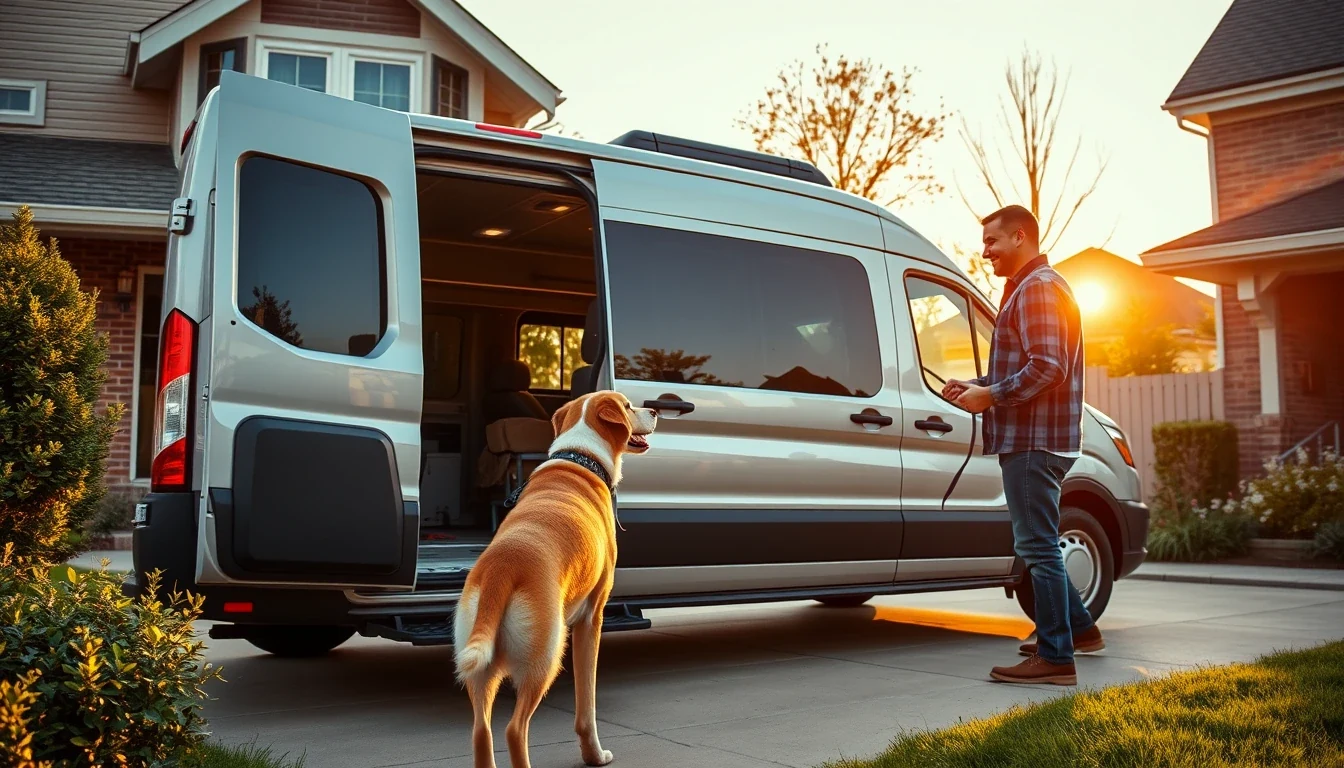
Royal Paws Pet Transportation is a USDA Class T registered dedicated-ground operator headquartered in the Atlanta area, operating since the early 2000s. Pricing typically lands $1,300 to $2,400 for cross-country dedicated ground. Strengths: regional density in Southeast US, climate-controlled vans, transparent quote process. Weaknesses: limited international capability, BBB review patterns show some communication complaints during peak season.
Royal Paws Pet Transportation is a USDA Class T registered dedicated-ground pet transport operator based in the Atlanta metro area, operating since approximately 2000. Independent review covering real pricing, BBB and review platform patterns, USDA verification status, regional service strength, and how Royal Paws compares to TLC Pet Transport, Blue Collar, and Pet Express.
Comparing operators? Our pet transport companies hub rounds up every service we have reviewed.
For a deeper dive, see our guide to happy tails travel review: full-service pet shipping examined (2026).
Comparing providers? See our breakdown of Pet Transport License.
Who Royal Paws is
Royal Paws Pet Transportation is a USDA Class T-registered operator headquartered in the Marietta/Atlanta, Georgia area, operating since approximately 2000. The company focuses on dedicated ground transport in the Southeast US and cross-country routes anchored to Atlanta as a hub. Their fleet is climate-controlled vans rather than mixed crates; each vehicle is USDA-compliant per 9 CFR Part 3 requirements.
Their typical client mix: Southeast regional moves (Atlanta to Florida vacation home, Atlanta to family in DC), cross-country relocations originating Atlanta, military families relocating during PCS to nearby bases (Fort Benning, Fort Bragg), and pet owners with anxious or large dogs who prefer dedicated ground over marketplace variance.
Comparing providers? See our breakdown of How to Start a Pet Transport Business.
Services and pricing
- Cross-country dedicated ground: $1,300 to $2,400 depending on pet weight and route. Coast-to-coast 3 to 5 days.
- Southeast regional: $400 to $900 for Atlanta to Florida/Carolinas/Tennessee. 1 to 2 days.
- Multi-pet households: Discount typically 15 to 25 percent for second pet on the same trip.
- Climate-controlled vans: USDA-compliant climate controls (45F to 85F ambient). Standard on all transports.
- Pet bailee insurance: Pets in custody coverage standard.
Comparing providers? See our breakdown of Pet Transport Contract Templates.
Pros and cons
Pros: 20+ year operating history, USDA Class T verified, climate-controlled fleet, Southeast US regional density (route advantage for Atlanta-anchored moves), competitive pricing on regional routes, consistent service quality (dedicated drivers, not marketplace variance).
Cons: Limited international air cargo (US-domestic focus), no real-time GPS tracking app (phone check-ins), slightly weaker national route density than TLC, BBB reviews show some communication complaints during peak season (June-August).
Customer review synthesis
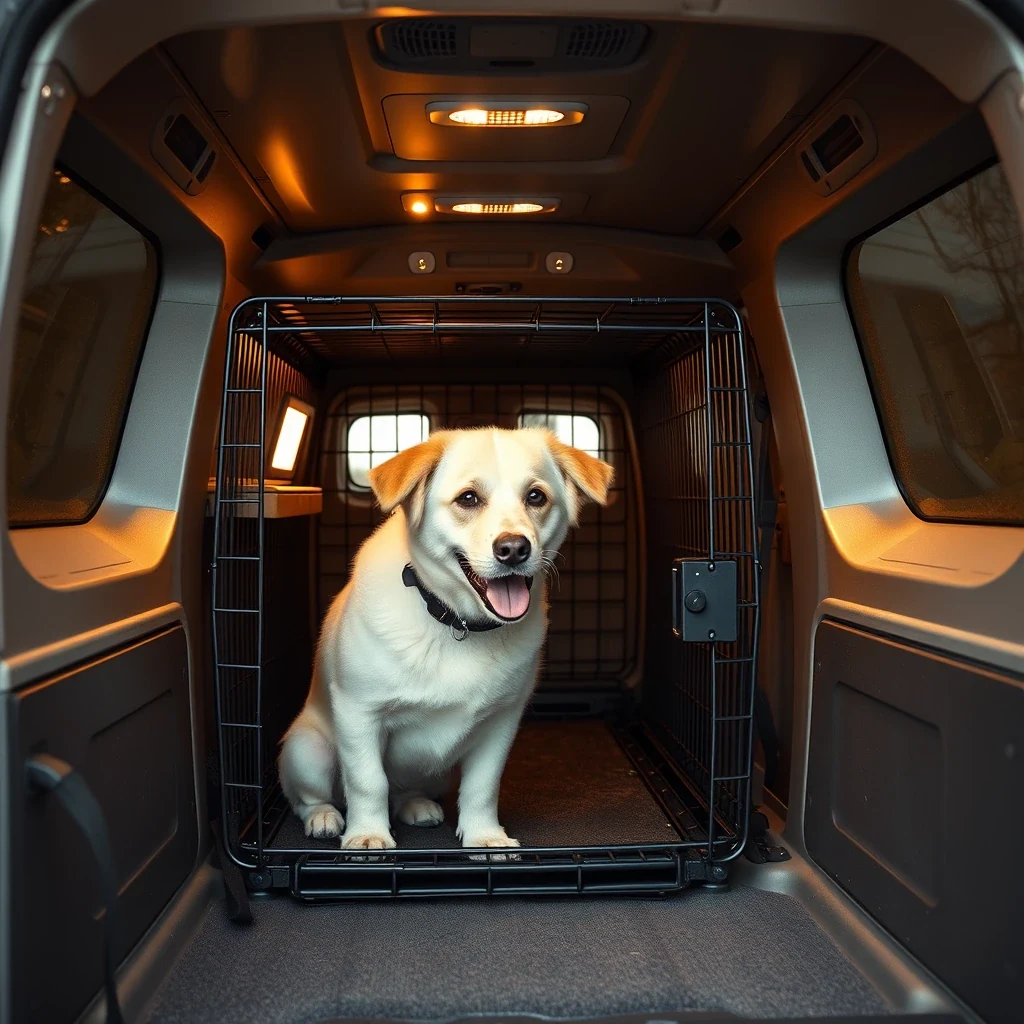
Across BBB, Yelp, and Google reviews, Royal Paws averages 4.4 stars. Positive themes: professional handlers, climate-controlled experience, successful Southeast regional moves, accurate timing on delivery windows, courteous customer service team during weekdays. Negative themes: weekend communication is slower, multi-day cross-country transports have only 1 to 2 phone check-ins per day, peak-season responsiveness during military PCS season (July-September) lags.
How Royal Paws compares
| Operator | Service model | Cross-country price | Regional strength | International |
|---|---|---|---|---|
| Royal Paws | Integrated dedicated | $1,300–$2,400 | Southeast US (Atlanta hub) | Limited |
| TLC | Integrated dedicated | $1,400–$2,500 | National coast-to-coast | Limited |
| Blue Collar | Integrated dedicated | $1,000–$2,200 | Cross-country budget | No |
| Pet Express | Integrated full-service | $1,200–$2,800 | National + intl | Yes (IATA) |
Who Royal Paws is right for
- Atlanta-area or Southeast US origin or destination. Royal Paws has route density that competitors lack here.
- Anxious or large dogs: Dedicated van means consistent driver and no marketplace variance.
- Multi-pet households: Discount on second pet plus same vehicle reduces stress.
- Military PCS families with bases in GA, NC, SC, FL: Local route knowledge and base familiarity.
Skip Royal Paws if: You need international air cargo (use Pet Express or WorldCare), your origin/destination is West Coast or Pacific Northwest (TLC's national network often wins), you are budget-constrained and OK with marketplace variance (CitizenShipper or uShip saves 30 to 50 percent), or you require real-time GPS tracking in an app (newer integrated operators do this; Royal Paws uses phone check-ins).
How the crate-free, two-driver model actually works
The feature that sets Royal Paws apart from a typical marketplace driver is its crate-free, two-person team model. Instead of riding in a stacked crate for the whole trip, pets travel loose and supervised in a climate-controlled vehicle, with a rotation that keeps the vehicle moving while one driver rests. The practical benefits owners report:
- Walks roughly every four hours, so dogs get regular bathroom, water, and stretch breaks rather than the longer gaps a solo driver running on sleep needs.
- No nonstop crate confinement, which reduces stress for anxious dogs and large breeds that cannot comfortably ride crated for days.
- Continuous human supervision, useful for pets on medication or with separation anxiety.
The trade-off is cost. A two-driver, attended-transport model is labor-intensive, which is why Royal Paws sits at the premium end of ground transport pricing rather than the budget end. If your priority is the lowest possible price, a marketplace ground option will usually undercut it; if your priority is hands-on care, this is the trade you are paying for.
Booking and quote process
Royal Paws runs a coordinated booking flow rather than an instant online checkout:
- Request a quote by phone or through the website with your pet's size, origin, and destination.
- Receive a custom price based on distance, pet size, and number of animals. Because Royal Paws is dedicated ground transport across 49 states, routes are built around scheduling windows rather than fixed daily departures.
- Confirm dates and provide health documents. A valid health certificate is expected before travel.
- Track the journey with photo and message updates, which reviewers consistently mention as a strong point.
Ask up front whether your move will be a dedicated run (your pet only) or coordinated with other animals, and confirm the pickup and delivery windows in writing, since long-distance ground routes can shift by a day depending on weather and scheduling.
What positive and critical reviews have in common
Synthesizing reviews across Yelp, the company site, and industry roundups, clear patterns emerge:
Praise tends to cluster around:
- Excellent, frequent communication and photo updates en route
- Pets arriving early, calm, and in good condition
- Drivers waiting patiently during pickup and handling extra belongings
Criticism tends to cluster around:
- Price, which several industry reviews flag as among the priciest ground options
- The premium not always feeling justified for very short or simple routes
- Scheduling windows that move for long cross-country runs
The split is consistent with the model: people who value attended, crate-free care rate it highly; people shopping primarily on price feel the premium.
Who should book Royal Paws over a marketplace driver
Royal Paws is the better choice when:
- Your pet is anxious, elderly, on medication, or a large breed that should not ride crated for days
- You want a vetted company with a stable team, not a one-off independent driver
- Communication and hands-on care matter more than getting the lowest quote
A marketplace platform is the better choice when you are price-sensitive, your pet travels well, and you are comfortable vetting an individual transporter yourself. For a side-by-side of operators across price tiers, see our best pet transport companies guide.
Frequently asked questions

Is Royal Paws Pet Transport legit?
How long has Royal Paws been in business?
Is Royal Paws USDA Class T certified?
How much does Royal Paws charge cross-country?
Does Royal Paws transport internationally?
What is Royal Paws' BBB rating?
Royal Paws vs TLC Pet Transport?
Are Royal Paws drivers background-checked?
Does Royal Paws transport pets without crates the entire trip?
How many states does Royal Paws cover?
Is Royal Paws worth the higher price compared to a marketplace driver?
This review uses public sources: USDA APHIS Class T registry verification, BBB profile, Yelp and Google review patterns, IPATA member directory check. Pricing benchmarks from market patterns and operator quote responsiveness (May 2026). We refresh quarterly. Editorial; no operator pays for placement.
Sources & references
- aphis.usda.gov https://www.aphis.usda.gov/aphis/ourfocus/animalwelfare
- bbb.org https://www.bbb.org
- yelp.com https://www.yelp.com
- trustpilot.com https://www.trustpilot.com
- ipata.org https://www.ipata.org