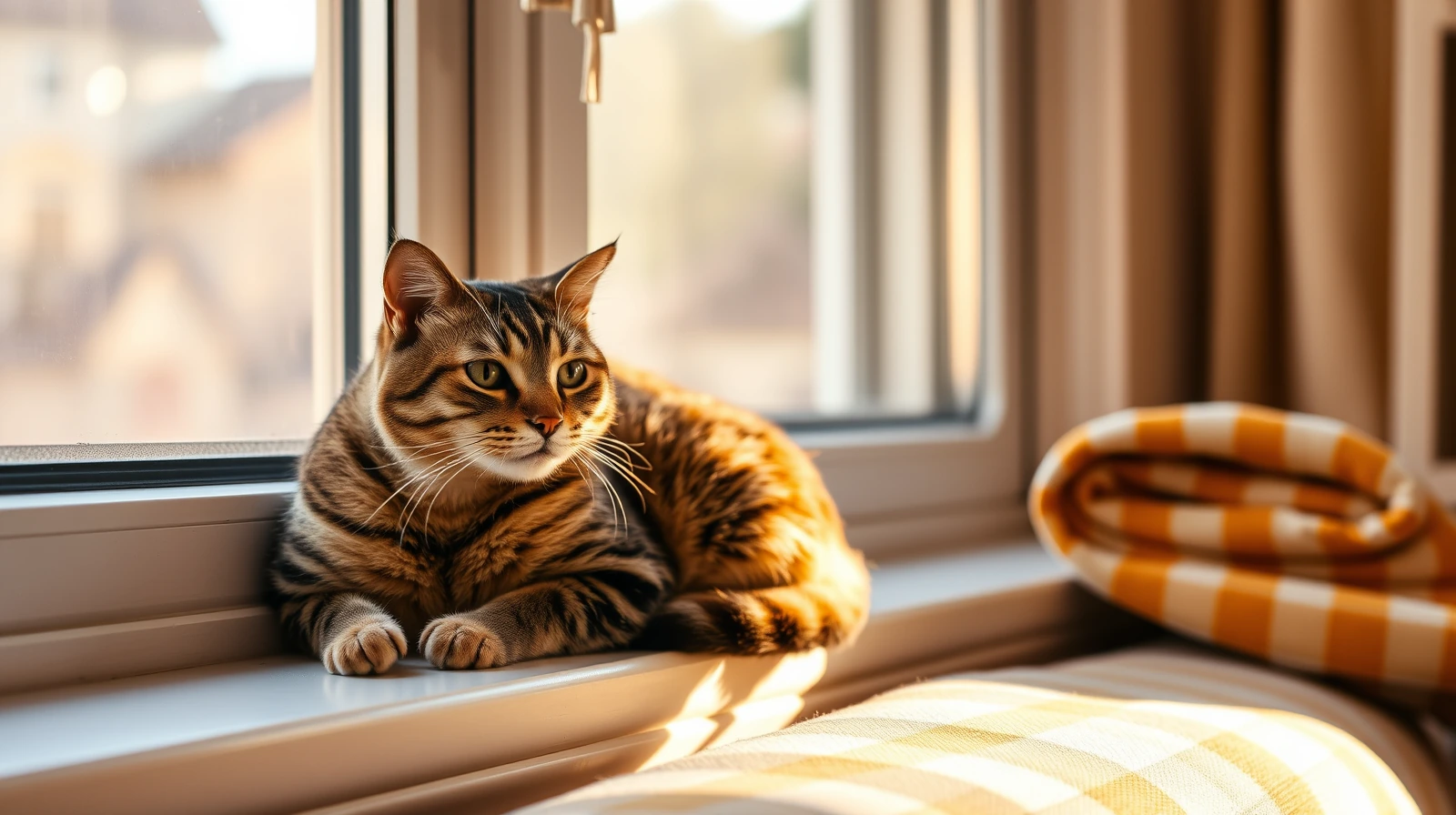
For most cats, in-home cat sitting is less stressful than boarding because cats are territorial and tied to familiar routine. Sitting is usually cheaper for one cat too, about $20-$40 a day versus $25-$45 a night to board. Choose boarding for medical needs, escape-risk cats, or when you have no trusted sitter.
For many cats, in-home cat sitting is less stressful than boarding, because cats are territorial and tied to familiar smells and routine, a point emphasized by feline-health sources like the AAFP. Sitting also tends to run cheaper for one cat, roughly $20-$40 per day in drop-in visits versus about $25-$45 a night to board. Choose boarding when your cat needs hands-on medical care, is a serious escape risk, or you have no trusted sitter. The prices here are approximate 2026 ranges, so confirm current rates with the sitter or facility.
Traveling with or caring for a cat? See our guide to How Long Can You Leave a Cat Alone? (And When You Need a Sitter).
Traveling with or caring for a cat? See our guide to How to Crate Train a Cat.
If you lean toward in-home care, here is what a cat sitter actually does on each visit so you know what you are paying for.
For cat owners: our guide to Flying With a Cat in the Cabin.
The short answer: it comes down to your cat, not your trip
Cats are not small dogs. The AAFP and ISFM Feline Environmental Needs Guidelines describe cats as naturally solitary, territorial animals whose wellbeing depends on stable, predictable surroundings and reliable access to their own resources: food, water, litter, scratching, resting, and hiding spots. The guidelines are blunt that meeting these needs is "essential, not optional," and that cats experience real stress when those needs are disrupted, even when they do not show it openly.
That single fact drives most of the boarding-versus-sitting decision. A sitter keeps your cat in the one place on earth that already meets its environmental needs: your home. Boarding moves the cat into an unfamiliar space, often within sight, sound, and smell of strange cats and dogs. For a species wired to defend territory, that is a meaningful difference. But "less stressful" does not always mean "better." A medically fragile cat, an escape artist, or a household with no reliable sitter can be far safer in a staffed facility. Below we break the decision down across the seven factors that actually matter.
If you also care for a dog, the same trade-offs play out differently for them. We cover the canine version in dog boarding vs pet sitting, because dogs are social pack animals and often handle a busy facility better than a cat does.
For cat owners: our guide to How to Trim Cat Nails.
Stress: why most cats do better at home
The behavioral evidence here leans clearly one way. Per feline-health sources such as the AAFP, cats are creatures of routine that anchor their sense of safety to familiar sights, smells, and territory. When that is disrupted, common stress signs can follow: hiding, flattened body posture, reduced or refused food, over-grooming, and sometimes litter-box avoidance. Many boarding facilities report that feline stress tends to peak in the first 24 to 48 hours and then eases over two to five days as the cat adapts, though a short trip can be over before that adjustment happens, so your cat may spend much of the stay in its least settled state.
In-home sitting removes nearly all of that. The cat keeps its territory, its scent-marked furniture, its own litter box in its usual corner, and its normal feeding rhythm. A sitter is an intermittent visitor rather than a full environmental upheaval. This is exactly why behavior-led programs like Fear Free, which certifies both boarding staff and pet sitters specifically to reduce fear, anxiety, and stress, treat the familiar home environment as a genuine advantage for cats.
For cat owners: our guide to How to Stop a Cat From Spraying.
When boarding stress is manageable
Not all boarding is equal. Cat-only facilities, or veterinary clinics with a separate feline ward away from barking dogs, dramatically lower the stress load. Look for individual condos with a hiding box, elevated perches, pheromone diffusers (Feliway), and a no-dogs-in-earshot layout. A confident, socialized cat in a quiet cat-only suite may handle a stay perfectly well. A shy, anxious, or senior cat in a noisy mixed kennel is the worst-case scenario. The facility's design matters as much as the boarding-versus-sitting choice itself.
Cost: sitting is usually cheaper for one cat
Pricing overlaps more than people expect, and the cheapest option depends heavily on how many cats you have and what level of attention they need. Here are approximate 2026 US ranges, cross-checked across published rate guides; confirm current pricing with the sitter or facility.
| Service | Typical 2026 US price | Best when |
|---|---|---|
| Drop-in cat sitting (1-2 visits/day) | $20-$40 per day ($15-$30 per visit) | Healthy 1-2 cats, short to medium trips |
| Overnight in-home sitting | $40-$100+ per night | Anxious cats, longer trips, added security |
| Standard cat boarding | $25-$45 per night | Single cat, no trusted sitter, basic needs |
| Vet-attached / luxury cat boarding | $40-$75+ per night | Medical needs, monitored care |
The key cost lever is your cat count. Most sitters charge a flat per-visit fee that covers the whole household, so two or three cats share one price. Boarding almost always charges per cat (sometimes with a small sibling discount), so a multi-cat home can pay two to three times the headline nightly rate. For a single cat on a short trip, drop-in sitting is often the lowest-cost option overall. For deeper breakdowns, see our guides on how much cat boarding costs and how much pet sitting costs.
Medical and special needs: boarding's strongest case
This is where boarding can clearly win. If your cat is diabetic and needs insulin on a strict schedule, takes daily medication, is recovering from surgery, or has a condition that needs monitoring, a vet-attached boarding facility puts trained staff and a veterinarian close at hand. A typical drop-in sitter checks in once or twice a day and may not be equipped to give injections, manage a feeding tube, or recognize a developing emergency between visits.
Appetite is a good example of why monitoring matters. The Cornell Feline Health Center notes that hepatic lipidosis (fatty liver disease) can develop when a cat stops eating for several days, and that it can be serious if not addressed promptly. A stressed cat that hides and eats little is the kind of situation worth keeping an eye on. At a good facility, staff typically weigh food intake at each meal and escalate if something seems off. A sitter visiting once a day may not notice a multi-day drop in eating as quickly. If your cat is overweight, diabetic, senior, or prone to eating less under stress, it is reasonable to lean toward boarding with active appetite monitoring, or an overnight sitter who can watch intake closely.
Multi-cat households: it depends on the relationships
The AAFP guidelines stress that cats need their resources, food, water, litter, and resting spots, spread across multiple locations, which is naturally how a settled multi-cat home is already arranged. A sitter preserves that whole setup and the cats' existing social map, so bonded cats keep their companion and their territory. That is usually the calmest option, and the per-visit pricing makes it the cheapest too.
Boarding a multi-cat household is trickier. Reputable facilities will not house unrelated cats together, and even bonded pairs may or may not be allowed to share a condo. You pay per cat, and each cat faces the unfamiliar-environment stress individually. The exception is a household where the cats genuinely do not get along: separating them at a facility, or having a sitter manage a tense home alone, both carry friction. In that case match the choice to which cat is more fragile.
Trip length and flexibility
Short trips tend to favor sitting on stress grounds. As noted, boarding stress often peaks in the first day or two, so a weekend stay can be over before the cat fully settles, meaning much of the stay falls within that adjustment window. A sitter sidesteps that adjustment entirely.
Sitting also wins on flexibility and last-minute needs. A local sitter can often start with a day or two of notice, adjust visit frequency, and water plants or bring in mail as a bonus. Boarding facilities, especially cat-only ones and clinics, frequently book out over holidays and may require reservations weeks ahead plus proof of vaccinations on file. For longer absences of one to several weeks, the calculus shifts: extended boarding gives consistent daily human contact and supervision, whereas a cat left alone between sitter visits gets only short bursts of attention. A confident solo cat handles a week of drop-ins fine; a needy or anxious cat over a long trip may do better with overnight sitting or a staffed facility.
Safety, security, and reliability
Both options carry distinct risks. Boarding's safety strengths are containment and supervision: a cat that bolts through doors, chews cords, or gets into trouble when alone is physically contained, and staff are present around the clock. The trade-off is exposure to other animals, shared-air respiratory bugs (upper respiratory infections spread in busy facilities), and the stress load already covered.
Sitting keeps your cat away from other animals' germs but introduces the empty-house gap. Between visits, no one is present, so an escape, an injury, a urinary blockage, or a drop in eating may go unnoticed for a stretch of hours. You can reduce that risk by hiring an insured and bonded sitter (ask directly, and consider a Fear Free certified one), requesting daily photo or text updates, sharing your vet's contact and a written care sheet, and locking down escape routes before you leave. The ASPCA recommends keeping a current ID and microchip and leaving emergency contacts with any caregiver, which applies to both options. For background on how cats handle being moved and confined more broadly, see our guide to long-distance cat transport.
The decision framework: choose boarding if / choose a sitter if
Run your situation through these two lists. If you land in both, the deciding factor is usually your cat's temperament and medical profile, not your budget.
Choose boarding if
- Your cat needs daily medication, insulin, or post-surgery monitoring and you want trained staff or a vet on site.
- Your cat is a serious escape or destruction risk when left alone between visits.
- You have no trusted, insured sitter available and cannot vet one in time.
- You will be away for an extended period and want consistent supervision and human contact.
- You can book a cat-only facility or a clinic's separate feline ward, not a noisy mixed kennel.
Choose a sitter if
- Your cat is healthy, territorial, shy, or anxious and clearly does best in familiar surroundings.
- You have multiple cats, since one per-visit fee usually covers the whole household.
- Your trip is short, where boarding's worst stress window would cover the entire stay.
- You need flexibility, a last-minute start, or want mail and plants handled too.
- You can find an insured, bonded, ideally Fear Free certified sitter who sends daily updates.
Before you book either one
A few steps cut risk no matter which way you go. For boarding, confirm vaccination requirements early (most facilities require current rabies and FVRCP, and proof on file); cat boarding requirements vary by state and facility, so check our cat boarding requirements guide before you book. Ask whether the facility is cat-only or separates cats from dogs, whether food intake is monitored at each meal, and whether you can tour first. For sitting, do a meet-and-greet before the trip, confirm insurance and bonding, leave a written care sheet with feeding amounts and medication timing, and share your vet's number plus authorization to treat in an emergency. Whichever you choose, leave familiar bedding or a worn t-shirt; the scent reassures a stressed cat.
How we sourced this
The behavioral guidance draws on the AAFP and ISFM Feline Environmental Needs Guidelines and Fear Free's published approach to reducing feline fear, anxiety, and stress. The hepatic lipidosis warning comes from the Cornell Feline Health Center. Safety recommendations reflect ASPCA guidance on identification and emergency planning. Price ranges are 2026 US figures aggregated from published cat boarding and cat sitting rate surveys, expressed as ranges rather than single numbers because regional cost and service level vary widely.
Is cat boarding stressful for cats?
Is a cat sitter or boarding cheaper?
Should I board my cat or get a sitter?
Is in-home cat sitting better than boarding?
How long can a cat be left alone with just a sitter visiting?
Will my cat stop eating at a boarding facility?
Is boarding or sitting better for multiple cats?
What should I look for in a cat sitter?
Sources & references
- catvets.com https://catvets.com/resource/aafp-isfm-environmental-needs-guidelines/
- vet.cornell.edu https://www.vet.cornell.edu/departments-centers-and-institutes/cornell-feline-health-center/health-information/feline-health-topics/hepatic-lipidosis
- fearfree.com https://www.fearfree.com/
- aspca.org https://www.aspca.org/