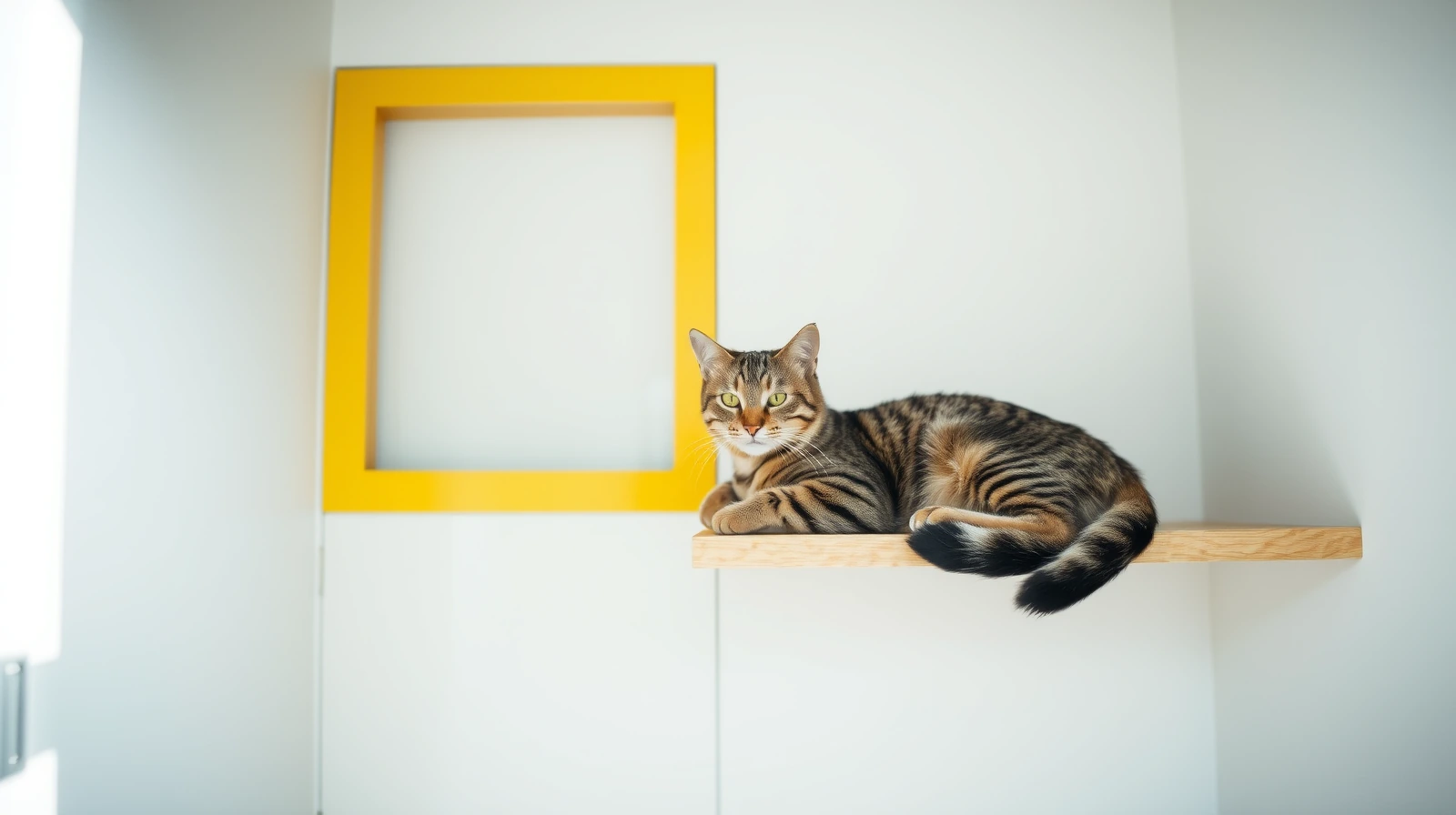
To choose a cat boarding facility (cattery), tour it in person before booking, and refuse any place that won't show you where cats are kept. Non-negotiables: individual units with sneeze barriers, secure double latches, strict proof-of-vaccination, a spotless smell-free space, no dog noise, and calm cat-literate staff. Book early; summer fills months ahead.
To choose a cat boarding facility (called a "cattery" in much of the world), tour it in person before you book, and refuse any place that won't let you see where cats are kept. The non-negotiables: individual units with sneeze barriers so cats from different homes can't touch, secure double-latched doors, a strict proof-of-vaccination policy, a spotless smell-free space, no dog noise nearby, and staff who handle cats calmly. Book early, summer fills months ahead.
Related reading: How to Introduce a Cat to a Dog.
"Cattery" decoded, and why the word matters here
In the US, most owners search for a "cat boarding facility" or "cat boarding near me." In the UK and much of the rest of the English-speaking world, the same thing is a "cattery," a dedicated boarding establishment that takes only cats. We use both terms in this guide because the best vetting advice, including the published standards from International Cat Care and the UK charity Cat Chat, is written around the cattery model: cats-only, individual units, strict disease control.
That distinction is the whole point. A facility built for cats, with cat-specific hygiene and quiet, is a very different (and safer) environment than a dog kennel that keeps a few cat cages in a back room. When you evaluate a US "cat boarding facility," you are checking whether it meets the cattery standard, whatever it calls itself. If you are still deciding between boarding and a sitter who comes to your home, read our comparison of cat boarding vs cat sitting first, then come back to vet your shortlist.
Where to look, and why you book early
Start with your own vet. Veterinary practices see which local facilities return cats healthy and which ones send cats home with "cat flu," so a vet referral is the single most useful lead you can get. Then widen the search: ask other cat owners, check facilities affiliated with feline-focused vet networks, and read recent reviews looking for patterns rather than one-off complaints. International Cat Care suggests word-of-mouth from people whose judgment you trust over advertising.
Book early. Good catteries fill fastest around school holidays and the summer travel season, and the better ones can be reserved months in advance. Booking ahead also buys you time to tour, to complete the vaccination timeline (more on that below), and to do a short trial stay so your cat is not arriving cold on a week-long booking. If you are pricing options as you shortlist, our guide to how much cat boarding costs breaks down typical US day rates and what drives them up.
The in-person tour: the test that matters most
Never book a facility you have not seen. International Cat Care is blunt about this: if the proprietor won't let you see where the cats are kept, go elsewhere, because a good operator has nothing to hide and is proud to show the place off. A glossy website proves nothing. The tour is where you confirm the security, the smell, the noise, and how the staff actually move around the cats.
Ask to see the unit your cat would actually stay in, not a show pen. Watch how a staff member opens and closes a door, whether they wash or sanitize hands between units, and whether the cats already in residence look relaxed or hunched at the back of their pens. Drop in slightly early or unannounced if they allow it. A facility that is clean and calm during an unplanned visit is telling you the truth about its everyday standard.
Accommodation and security: units, barriers, latches, no dogs
This is the core of feline-specific design, and it is where dog-kennel conversions usually fail. Cats from different households should never be able to touch, sniff, or sneeze on each other. International Cat Care's standard is individual units with a "safety corridor" or barrier between them, and a recommended sleeping-plus-run size of roughly 6ft by 4ft per cat where space allows, with shelves to perch on, somewhere to hide, and a litter tray kept away from food.
- Individual units, one household per unit. Cats from the same family can share; strangers never do. No communal "cat colony" rooms mixing unrelated cats.
- Sneeze barriers. A solid partition or gap (the "safety corridor") between adjacent units so a sneeze, paw, or shared surface cannot carry disease next door.
- Secure double doors and latches. A safety porch, vestibule, or double-door system so an escaping cat is contained before it reaches the outside. Latches that a determined cat cannot nose open.
- Space to perch and hide. Shelves at height and a covered hiding spot reduce stress, which in turn reduces disease shedding.
- No dog noise. Cats are stressed by barking and the smell of dogs. A true cattery is cats-only or keeps cat areas fully separated, soundproofed, and out of sight and smell of any dogs.
If a US facility boards both species, ask exactly how the cat area is separated. "They're in a different room" is not enough if the cats can hear barking through the wall all day.
Cleanliness and hygiene: trust your nose
A well-run cattery is meticulously clean and, crucially, does not smell. International Cat Care notes that a persistent odor signals inadequate cleaning or ventilation. Look for hard, non-porous surfaces that can be properly disinfected between guests, food bowls washed in a separate area from litter trays, and a clear protocol for cleaning and disinfecting a unit before a new cat moves in.
Hygiene is not cosmetic, it is disease control. The ASPCA's spot-cleaning guidance for cat housing exists precisely because shared surfaces, hands, and bowls are how infections move between cats. Ask how often litter is changed, how units are sanitized between occupants, and whether staff sanitize hands between cats. Vague answers here are a meaningful warning.
Vaccination and disease-prevention policy
A reputable facility will require proof of current vaccinations before your cat sets a paw inside, and you should be suspicious of any place that does not. The core feline vaccine is FVRCP, which protects against feline viral rhinotracheitis (feline herpesvirus), calicivirus, and panleukopenia. Rabies is also commonly required and may be mandated by state or local law. Confirm the exact requirements with the facility, because policies vary.
Timing matters. Vaccine guidance summarized by veterinary sources notes that for high-stress, high-risk settings like boarding, a core booster is best given roughly one to two weeks before the stay so immunity has time to build. Kittens need their full vaccine course completed, typically about 7 to 10 days after the second shot, before they can safely board. This is one reason to book early: you may need a vet visit timed ahead of the stay. We cover the owner-side prep in detail in our cat boarding requirements guide.
Why the strictness is justified: per the Cornell Feline Health Center and related veterinary literature, feline upper respiratory infections are highly contagious and high-density cat settings like boarding catteries are recognized higher-risk environments. Feline herpesvirus is especially relevant because most exposed cats carry it for life and shed it when stressed, and a stay away from home is a classic stress trigger. A facility's vaccination policy, plus its sneeze barriers and hygiene, is exactly how a good cattery keeps an outbreak from spreading. The American Veterinary Medical Association similarly flags boarding facilities as settings where unvaccinated cats are more susceptible to panleukopenia.
Staff experience, medical handling, and webcams
Cats are not small dogs, and handling them well is a skill. The American Association of Feline Practitioners publishes cat-friendly handling guidelines built around minimizing fear and avoiding force. You want staff who read feline body language, move slowly, and do not scruff or flood a frightened cat. Ask how long carers have worked with cats and how they handle a shy or hiding guest.
On medical handling, a good operator monitors each cat daily, noting appetite, litter use, and behavior, and will ask for your vet's details and a signed consent form so they can seek treatment if your cat falls ill. If your cat takes medication, confirm staff are comfortable administering it (pilling a cat, insulin, fluids) and ask exactly how doses are recorded. Get the facility's protocol for an after-hours emergency in writing.
Webcams are a nice reassurance, not a substitute for vetting. A live feed lets you check in, but it tells you nothing about hygiene protocols, vaccination policy, or after-hours emergency cover. Treat a camera as a bonus on top of a facility that already passes the physical tour, never as a reason to skip the tour.
Green flags vs red flags at a glance
| Area | Green flag (good sign) | Red flag (be cautious) |
|---|---|---|
| Tour access | Happy to show the actual cat areas anytime | Won't let you past the front desk |
| Units | Individual units, one household each | Strangers mixed in a shared room |
| Disease barriers | Sneeze barriers / safety corridor between units | Open wire pens cats can touch through |
| Security | Double doors, safety porch, secure latches | Single flimsy latch, easy exit to outside |
| Smell and cleanliness | Spotless, no odor, separate bowl and litter washing | Strong smell, grimy surfaces, dirty trays |
| Vaccination policy | Requires proof before entry, checks dates | No proof asked for, "just bring them in" |
| Dog noise | Cats-only or fully separated and quiet | Barking audible in the cat area |
| Staff handling | Calm, cat-literate, asks about your cat | Rough handling, no questions, no records |
| Medical / emergency | Daily monitoring, vet consent form, written plan | No consent form, vague emergency answer |
Red flags: walk away if you see these
Some problems are dealbreakers, not negotiating points. If you encounter any of the following, decline and keep looking. A safe stay is not the place to compromise.
- They refuse to show you the cat areas. The clearest warning sign there is. Reputable operators are proud to show you around.
- No vaccination policy. If they will board your cat with no proof of vaccination, they are boarding every other cat the same way. That is an outbreak waiting to happen.
- Cats from different homes can touch or share air directly. No sneeze barriers, open shared rooms, or pens that let strangers paw at each other.
- The place smells. A persistent litter or ammonia smell means cleaning and ventilation are not keeping up.
- Audible dog noise in the cat space. Chronic barking stress is bad for cats and signals a facility not built for them.
- Insecure escape routes. Single weak latches, no safety porch, doors opening straight to the outside.
- No daily monitoring or vet consent form. If no one is tracking whether your cat is eating, an illness can progress unnoticed.
- Pushy, evasive, or no questions about your cat. A good operator wants your cat's diet, meds, vet, and quirks. Indifference is a red flag.
- No license or insurance where your area requires it. Many US jurisdictions license boarding facilities. Ask, and verify if you can.
The questions to ask before you book
Bring this list to the tour. The answers, and how readily staff give them, tell you almost everything.
- Can I see the exact unit my cat would stay in?
- How are cats from different households kept apart? Are there sneeze barriers?
- What vaccinations do you require, and how far in advance?
- How often are units cleaned and disinfected, and how do you separate bowl-washing from litter trays?
- Are there any dogs on site, and how is the cat area separated from them?
- How do you secure against escapes (double doors, safety porch, latches)?
- How experienced are the staff with cats, and who is on site overnight?
- Can you administer my cat's medication, and how do you record it?
- What is your emergency procedure, and will you contact my vet? Is there a consent form?
- Can we do a short trial stay first?
Once you have chosen a place, set your cat up to settle in well: our guide on how to prepare a cat for boarding covers the trial run, the comfort items to pack, and the vet timing. The same vetting instincts apply across pet care, our companion pieces on dog boarding red flags and how to choose a dog boarding facility share the underlying logic if you also have a dog.
How we sourced this
This guide is built on published feline-welfare standards rather than facility marketing. The accommodation, security, hygiene, and tour-access advice follows International Cat Care and Cat Chat's boarding-cattery guidance. The vaccination and disease-prevention reasoning draws on the Cornell Feline Health Center on feline upper respiratory infection, the AVMA on feline panleukopenia, and AAFP cat-friendly handling guidelines, with general boarding-prep points cross-checked against ASPCA cat-care resources. Vaccination requirements, licensing, and prices vary by facility and location, so confirm current specifics directly with any cattery you are considering.
What is the difference between a cattery and a cat boarding facility?
What vaccinations does a cattery require?
Is it a red flag if a cattery won't let me look around?
Why does it matter if there are dogs nearby?
What are sneeze barriers and why do they matter?
How far in advance should I book?
Are webcams a good sign?
Should I do a trial stay first?
Sources & references
- icatcare.org https://icatcare.org/articles/choosing-a-boarding-cattery
- catchat.org https://www.catchat.org/index.php/choose-boarding-cattery
- vet.cornell.edu https://www.vet.cornell.edu/departments-centers-and-institutes/cornell-feline-health-center/health-information/feline-health-topics/respiratory-infections
- avma.org https://www.avma.org/resources-tools/pet-owners/petcare/feline-panleukopenia
- catvets.com https://catvets.com/resource/aafp-isfm-cat-friendly-veterinary-interaction-guidelines/