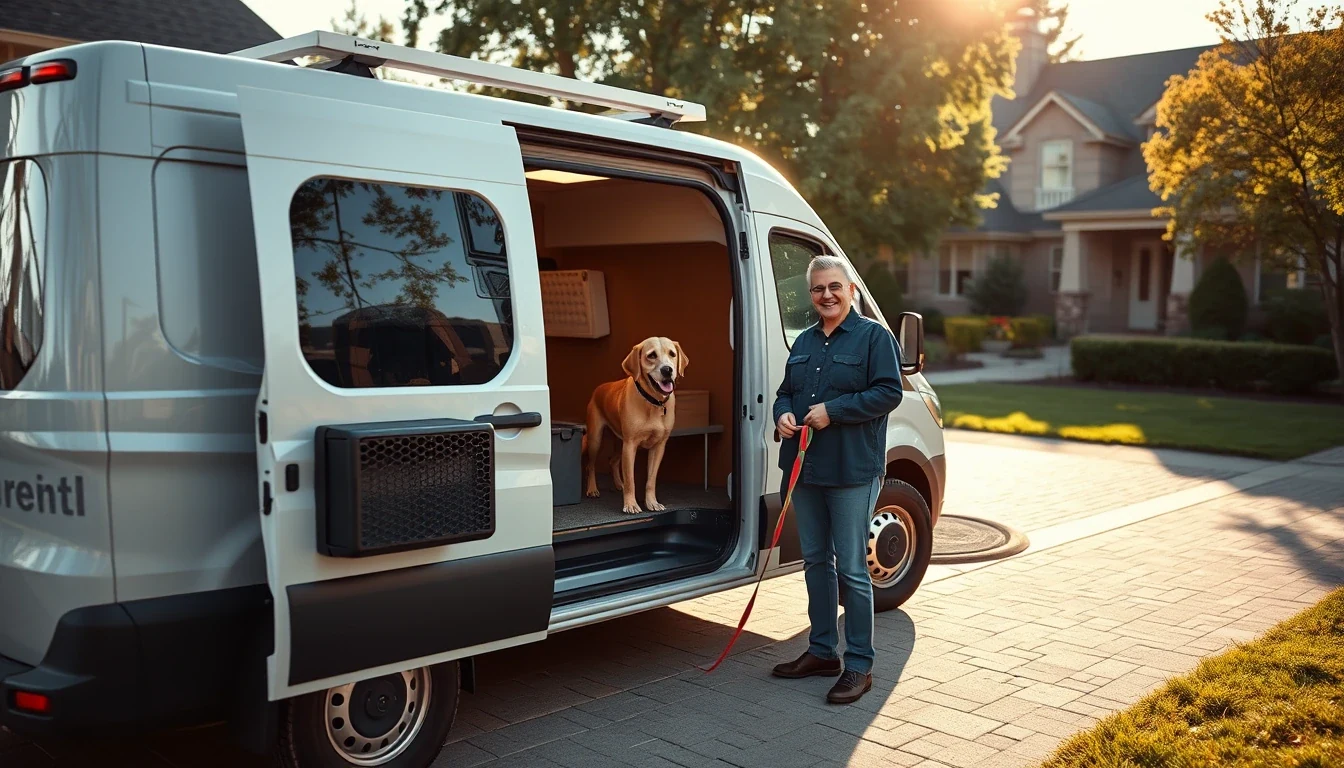
Local pet transport service covers trips under 50 miles: vet appointments, grooming, daycare, airport drops, post-surgery rides, behavioral training. Typical cost $40-$250 depending on city and trip type. The fastest way to find one is to submit a quote and let a vetted local driver bid. Verify USDA Class T (if interstate elements) and pet bailee insurance before booking. Most cities have 3-8 active operators; pricing higher in dense metros (NYC, SF, LA, Boston).
Local pet transport service covers trips under 50 miles: vet appointments, grooming, daycare drops, airport drops, post-surgery rides, behavioral training. Typical cost $40-$250 depending on city and trip type. This guide covers pricing by city density, what to ask before booking, how to vet a legitimate local operator, and when to use local transport vs Uber Pet vs full pet taxi service.
For comprehensive cost ranges across local, regional, and long-distance, see our how much does pet transport cost guide.
Planning a bigger move? Our pet relocation hub covers routes, destinations, and every transport method.
For a deeper dive, see our guide to air animal pet movers review: is this premium pet shipper worth it? (2026).
Comparing providers? See our breakdown of Royal Paws Pet Transport Review.
Ready to price a local move? Start with how to get a pet transport quote and what details to gather first.
What local pet transport service covers
A local pet transport service is essentially a pet taxi: door-to-door rides under 50 miles, typically 30-60 minutes door-to-door. The driver picks up at your home or location, secures the pet in a crate or harness, and delivers to the destination. Most common use cases:
- Vet visits: especially helpful for senior pets, post-surgery rides, or owners without a car. Some operators specialize in emergency vet runs.
- Grooming runs: reliable weekly or biweekly pickups; some operators offer discount bundling for recurring appointments.
- Airport drops + pickups: for pets flying separately or arriving on long-haul flights; the operator handles the airport check-in handoff.
- Daycare and boarding transport: routine daily or weekly trips while owners are at work or traveling.
- Emergency vet trips: when you cannot drive (out of state, no vehicle, cannot lift the pet).
- Behavioral and training appointments: consistent transport keeps anxious pets calmer.
- Cross-town moves: new home a few miles away, easier than juggling movers plus pet.
- Post-surgery transport: gentle loading, climate-controlled vehicle, careful handling for recovering pets.
Comparing providers? See our breakdown of Free Pet Transport.
Pricing by city type
| City type | Under 10 mi | 10-30 mi | 30-75 mi | Same-day rush |
|---|---|---|---|---|
| Dense metro (NYC, SF, LA, Boston, DC) | $50–$85 | $80–$160 | $140–$280 | +$30–$50 |
| Major US metro (Chicago, Atlanta, Dallas, Seattle) | $40–$70 | $65–$130 | $110–$220 | +$25–$40 |
| Mid-size city (Denver, Charlotte, Nashville, Austin) | $35–$60 | $50–$110 | $90–$180 | +$20–$35 |
| Smaller markets (Boise, Memphis, Tulsa, Salt Lake) | $30–$50 | $45–$95 | $80–$160 | +$15–$30 |
Most operators bill flat base plus per-mile, not by time, so traffic does not blow up the bill. Some operators discount recurring appointments (15-25% for weekly grooming runs).
How to find a vetted local operator

The fastest path: submit a quote with your zip code through a vetted platform, the request goes to a small panel of pre-vetted local drivers and you receive 2-4 quotes within 24 hours. If you search on your own (Google, Yelp, NextDoor), look for these signals:
- Real business address and phone: not just an app icon. Look for a registered business entity, not "John's Side Hustle".
- Commercial auto plus animal-bailee insurance: ask for proof of both. Standard auto policies exclude pets-in-custody losses and commercial activity.
- Crate or harness restraint policy: not just a loose pet in a back seat. Walk if the operator does not require restraint.
- 5+ recent reviews mentioning specific drivers, not generic five-star buckets: on Google or BBB. Vague "great service" reviews from a single platform are weak signal.
- Clear flat base plus per-mile pricing: not "we'll quote on arrival" or "depends on the route" without a base rate.
- USDA Class T number if they cross state lines for any service: verify at aphis.usda.gov public registry.
Local pet transport vs Uber Pet / Lyft Pet
Pet taxi (local pet transport): dedicated service, USDA-or-state-licensed drivers, animal-bailee insurance, crate/harness restraint policies, pet-specific training, may include specialty services (post-surgery, behavioral). Higher cost ($40-$250). Right for: medical transport, anxious pets, multi-pet households, vet runs.
Uber Pet / Lyft Pet: regular rideshare with $3-$5 pet surcharge. Drivers can refuse. Vehicle quality varies. No specialty equipment. Right for: short emergency-friendly trips with calm pets, when you can transport via carrier on your lap, low-stress destinations like a friend's house.
For everything else, vet visits, airport drops, post-surgery, behavioral, the pet-specific local transport service is usually worth the price difference.
When to use local pet transport vs other options
- Under 50 miles, vet/grooming/daycare: local pet transport. Cheap, fast, purpose-built.
- 50-300 miles, single trip: regional ground transport ($300-$700). See our door-to-door guide.
- 300+ miles cross-country: dedicated ground operators or marketplace ground. See cheapest-way guide.
- Same-day emergency vet: dedicated emergency vet transport in major metros 24/7; or local pet taxi with rush surcharge.
- Airport pickup of returning pet: local pet transport with airport pickup option; some operators specialize in this.
Need a local pet transport service?
Submit your trip and we will match you with vetted local drivers in your city. Most quotes back within 24 hours. No spam, no obligation.
Red flags, when local transport is risky
- No business name on the vehicle or quote, could be unregistered side gig.
- Refuses to provide insurance proof.
- No crate or harness policy. Loose pets in back seats are unsafe.
- Cash-only payment up front.
- Quotes 50% below market, either uninsured or unregistered.
- Single-platform five-star reviews only.
- No real business address or phone, just a Facebook page or app.

The three kinds of local pet transport, and which one you actually need
"Local pet transport" is an umbrella over three distinct service types that price and operate differently. Matching your trip to the right one saves money and stress.
| Service type | What it is | Best for | Typical cost |
|---|---|---|---|
| Standalone pet taxi | Dedicated driver, crate/harness, animal-bailee insured | Vet runs, airport drops, anxious pets | $40–$250 per trip |
| Vet-run / clinic transport | Some clinics shuttle patients, often for seniors or post-op | Recurring medical visits | Free–$60, often clinic-subsidized |
| Mobile vet / mobile groomer | The provider comes to you, no transport needed | Pets that travel poorly | $50–$200 (includes the service) |
The mobile option is the one most owners forget. If your pet panics in the car, a mobile vet or mobile groomer eliminates the trip entirely, often for a price comparable to a pet taxi plus the appointment. For longer hauls beyond the local radius, our door-to-door pet transport guide covers the next tier up.
What a local pickup actually looks like, step by step
Knowing the flow helps you spot a sloppy operator on the first ride:
- Confirmation and window. A real operator confirms a pickup window (usually 30–60 minutes), the destination, and the restraint method the day before.
- Arrival and ID. The driver arrives in a marked or identifiable vehicle, confirms your pet's name and the destination, and notes any feeding or medication instructions.
- Secured loading. The pet goes into a crate or a crash-tested harness, never loose in a back seat. This is the single clearest professionalism signal.
- The ride. Climate-controlled, direct route, no other unscheduled stops for a dedicated trip.
- Handoff. At the vet or groomer the driver completes the check-in handoff; for airport drops they assist to the pet check-in area.
- Return (if booked). Many operators offer round-trip, waiting or returning at a set time.
How local pricing is built
Most local operators bill a flat base fee plus a per-mile rate, not by time, which is why traffic does not inflate the bill. A common structure:
- Base fee: $25–$45 covering dispatch, vehicle prep, and the first few miles.
- Per-mile: $2–$4 per mile in dense metros, $1.50–$3 in mid-size cities.
- Surcharges: same-day rush $20–$40, after-hours or weekend $15–$30, multi-pet $5–$15 each.
- Recurring discounts: 15–25% off for standing weekly grooming or daycare runs.
Ask whether the quote is all-in. The red flag is "we'll quote on arrival" with no published base rate, which usually means an uninsured or unregistered operator. For how local pricing compares to regional and long-distance, see our how much does pet transport cost guide.
Booking a recurring run (the underused money-saver)
If you need the same trip repeatedly, a grooming run every two weeks, daycare drops three mornings a week, do not book each ride one-off. Set up a standing schedule:
- Lock a fixed weekly slot so the driver routes you efficiently and you get priority during peak demand.
- Negotiate the recurring discount up front, typically 15–25% versus the single-trip rate.
- Confirm the same driver where possible. Continuity keeps anxious pets calmer and the driver learns your pet's quirks.
- Set a cancellation policy in writing so a missed week does not cost a full fee.
Recurring arrangements are where local pet transport becomes genuinely cheap on a per-trip basis, often cheaper than parking plus your own time.
What to ask before the first booking
A 90-second screening call separates a real operator from a side gig:
- "Do you carry commercial auto and animal-bailee insurance, and can you email me proof?"
- "How is my pet secured, crate or harness?"
- "Is this flat base plus per-mile, and what's the all-in total?"
- "Do you transport cats, and what's your handling difference for them?"
- "Do you cross state lines for any service?" (If yes, they need USDA Class T.)
Walk if they refuse insurance proof, have no restraint policy, or want cash-only up front. Pairing a vetted operator with appropriate pet transport insurance is overkill for short local runs; the operator's bailee policy is what matters here.
Frequently asked questions
How much does a local pet transport service cost?
What does a local pet transport service do?
How do I find a local pet transport service near me?
Is local pet transport safe?
Can a local pet transport service take my dog to the airport?
Pet taxi vs Uber Pet - what is the difference?
Do local pet transport services transport cats?
Can I book local pet transport same-day?
Is a mobile vet cheaper than a local pet transport service?
How is local pet transport priced?
Can I set up recurring local pet transport?
Pricing tiers sourced from marketplace bid patterns (Shiply, uShip, CitizenShipper local route data) and direct operator rate cards across 30+ US metros (May 2026). USDA Class T verification at APHIS public registry. Insurance and licensing standards per state veterinary board guidance. We refresh quarterly.
Sources & references
- aphis.usda.gov https://www.aphis.usda.gov/aphis/ourfocus/animalwelfare
- iata.org https://www.iata.org/lar
- bbb.org https://www.bbb.org