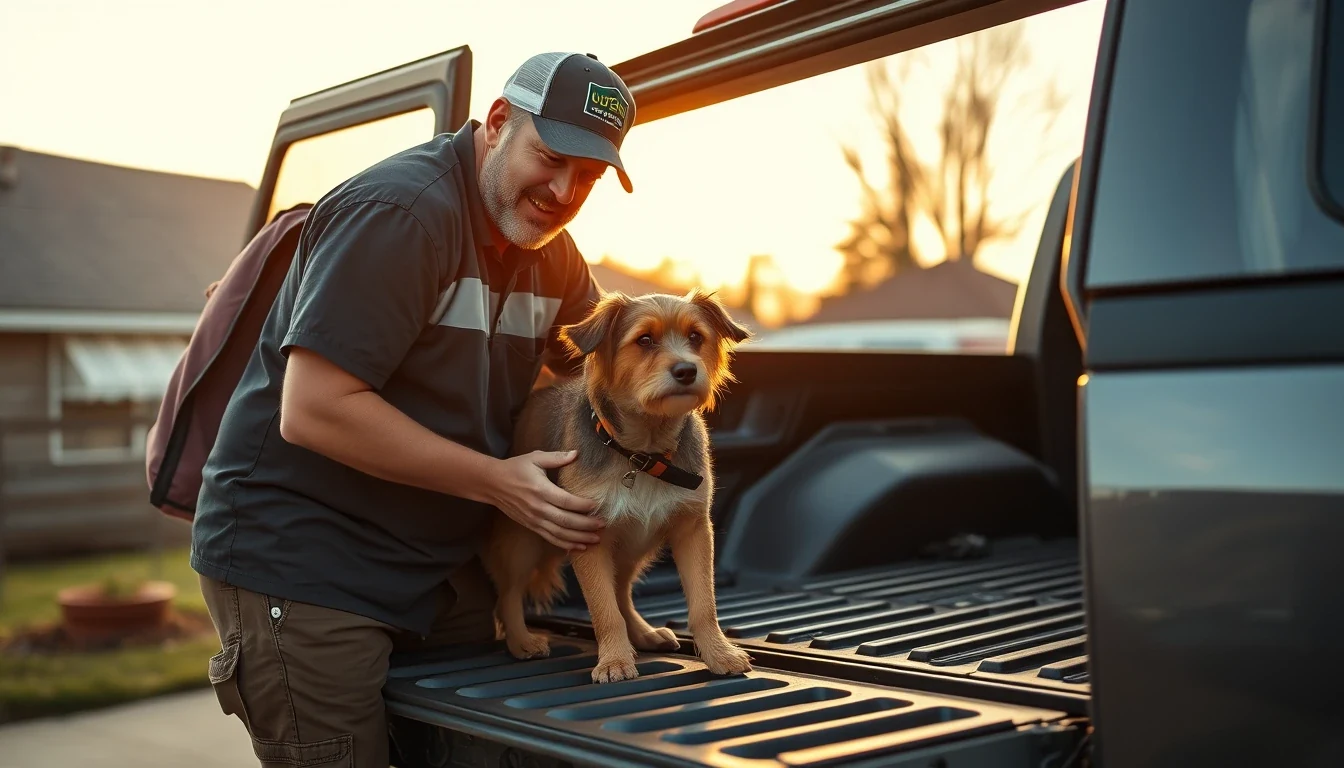
Free pet transport is real, but with one important condition: it is for adopted or rescued pets being moved between rescues, shelters, fosters, and adopters. The major networks are Pilots N Paws (private pilot volunteers), Animal Rescue Relay (multi-leg ground driver volunteers), Doobert (logistics platform for rescues), Best Friends Animal Society (resource network), Operation Military Pets (SPCA-International for military), and 3 others verified below. Personal pet relocation is not eligible.
Free pet transport is real, but with one important condition: it is for pets being adopted from one location to a new owner in another location, transferred between rescues, or moved with specific military or low-income assistance programs. Personal pet relocation - moving your own pet for a job, family, or personal reason - is not eligible for these networks. This guide covers 8 verified volunteer programs and what to do if you do not qualify.
For a paid rescue-specialist option (not volunteer), see our A. Heinz 57 Pet Rescue Transport review.
For the full pricing picture, our pet transport cost hub pulls every cost guide together in one place.
For a deeper dive, see our guide to happy tails travel review: full-service pet shipping examined (2026).
Comparing providers? See our breakdown of Pet Transport Driver Jobs.
Adopting from an out-of-state rescue has its own logistics, covered in our guide to how to transport a newly adopted rescue dog.
8 verified free pet transport networks
| Network | Type | Geographic scope | Eligibility | How to request |
|---|---|---|---|---|
| Pilots N Paws | Volunteer pilots | All US | Rescued/adopted pets | pilotsnpaws.org register |
| Animal Rescue Relay | Volunteer drivers | All US | Rescued/adopted pets | animalrescuerelay.org |
| Doobert | Logistics platform | US + Canada | 501(c)(3) rescues + adopters | doobert.com |
| Best Friends Animal Society | Resource network | All US | Adoption + rescue | bestfriends.org |
| SPCA-Intl Operation Military Pets | Grants + advisory | US military PCS | Active duty + DoD civilian | spcai.org/military-pets |
| ASPCA Animal Relocation | Grants + transport | Continental US | Shelter overflow transfer | aspca.org/animal-rescue |
| Operation Roger | Volunteer truckers | US (long-haul) | Rescue + adoption | operationroger.org |
| Kindred Hearts Transport Connection | Volunteer drivers | US Southeast | Rescue + adoption | Search "Kindred Hearts Transport Connection" |
Comparing providers? See our breakdown of Pet Transport License.
How to qualify and request
Adoption pickup: If you are adopting a pet cross-country, ask the rescue or shelter you are adopting from to coordinate transport via their network. Most adoption-focused rescues partner with Pilots N Paws, Animal Rescue Relay, or Doobert. The receiving adopter (you) provides documentation: adoption agreement, pet's vaccination records, microchip number, contact info. The sending rescue handles the request.
Rescue-to-rescue transfer: Shelters with surplus animals transferring to areas with shelter capacity. Doobert is the dominant platform for coordinating these. Receiving rescue posts the need; volunteer drivers claim legs.
Military PCS: Apply to SPCA-International Operation Military Pets 90 days before PCS. Grants $300 to $1,500 per pet. Combine with DoD pet reimbursement (up to $4,000 OCONUS per 2024 JTR) for maximum coverage. See our military pet transport guide.
Hardship cases (low-income, elderly, terminally ill owner): Reach out to local breed-specific rescues, state VFW posts (some maintain pet transport funds), and individual nonprofits. Outcomes vary by location.
Comparing providers? See our breakdown of How to Start a Pet Transport Business.
What "free" actually covers (and what it does not)
Volunteer transport covers the actual transport (driver/pilot fuel and time donated). It typically does NOT cover: pre-trip USDA-accredited vet exam and CVI, microchipping, rabies vaccination, IATA-compliant crate (rescues sometimes loan one), boarding before transport (some networks coordinate with foster homes), or food and supplies for transit. Expect $100 to $400 in non-transport costs for an adoption pickup even when "free" transport handles the move itself.
For personal pets: cheapest paid alternatives
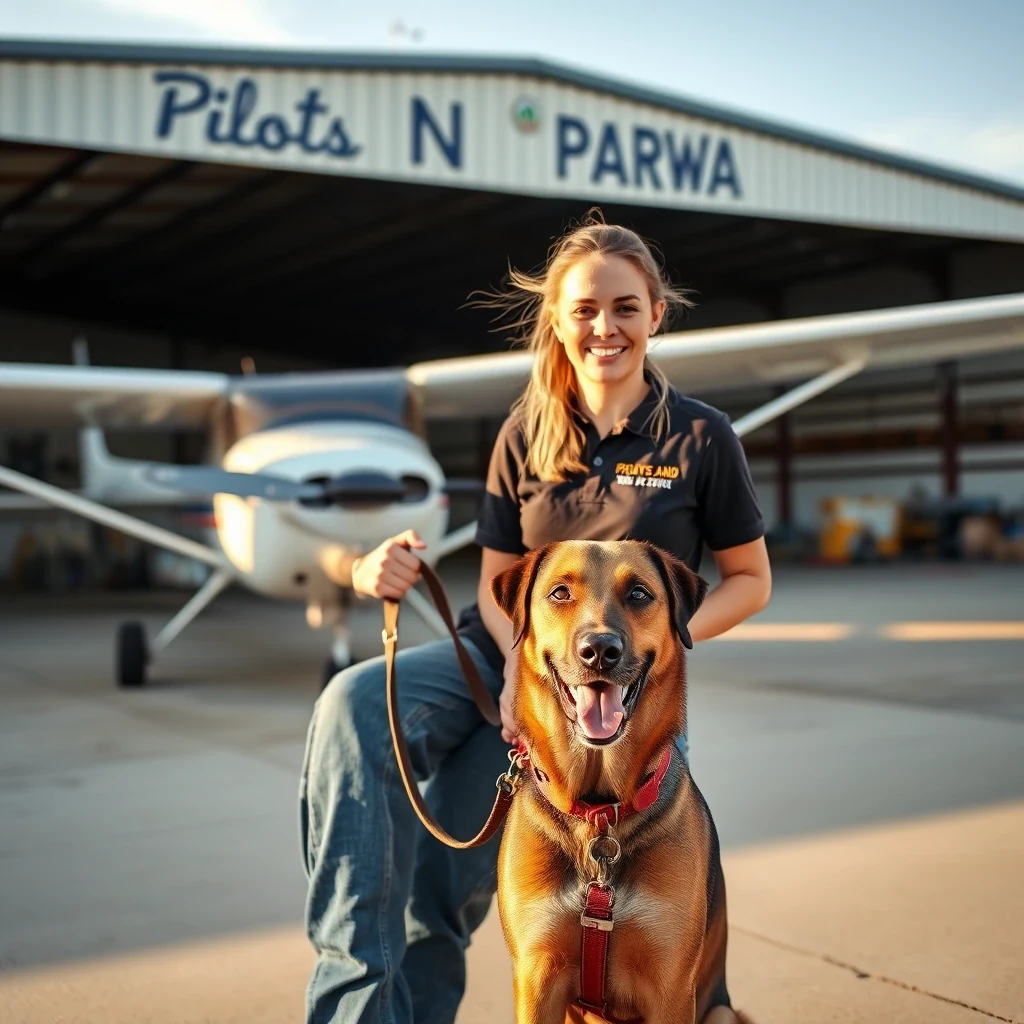
If you are relocating with your own pet and do not qualify for volunteer networks, the cheapest paid options:
- Drive yourself: Cheapest, $0.16 to $0.22 per mile per AAA Your Driving Costs 2025. Total cross-country: $320 to $440 in fuel before hotels.
- Amtrak (pets under 20 lb): $26 to $29 per leg. Cheapest paid option for small pets. See our cheapest-way guide for routes.
- Marketplace shared ground (Shiply, uShip, CitizenShipper): $190 to $600 typical cross-country. Drivers already running your route.
- In-cabin air for small pets: $50 (Allegiant) to $150 (American Airlines) airline fee plus your ticket.
Full breakdown in our cheapest way to transport a pet guide.
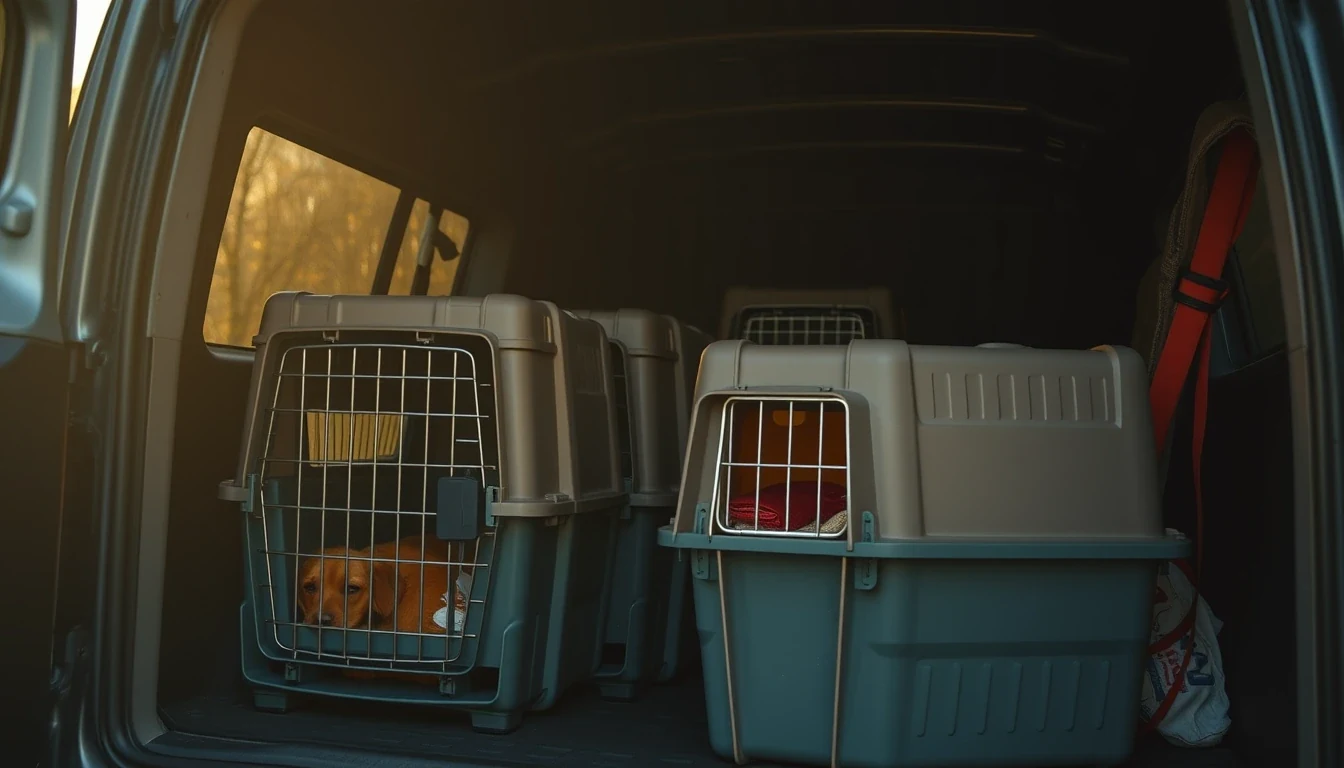
How Pilots N Paws actually works (and its limits)
Pilots N Paws is the best-known volunteer flight network, but it works very differently from a booking service, and misunderstanding it wastes time.
- It is a 501(c)(3) electronic meeting place, not a dispatcher. Pilots N Paws does not schedule flights or coordinate transports; it connects rescues and volunteer pilots on a discussion board.
- Flights are covered by the FAA compassionate-flight policy, so volunteer pilots can deduct part of their flight costs. There are no fees and no scheduled routes.
- Most volunteer pilots fly roughly 250 nautical miles (about 300 statute miles) in one direction, so a long move is relayed pilot to pilot in segments rather than flown in one go.
- Ground transport is the preferred first option when the animal can tolerate it; pilots ask that flights be saved for animals that struggle with long drives or repeated vehicle transfers.
- It is for rescued and adopted animals only, never personal pet relocation.
Because nothing is guaranteed, build a buffer. A relay may take a week or more to assemble across several volunteers, and a leg can fall through if weather grounds a pilot.
Hidden costs: what "free" really means
Even when the transport itself is donated, an adoption pickup is rarely zero dollars out of pocket. Plan on roughly $100 to $400 in non-transport costs that volunteer networks do not cover.
| Cost item | Typical range | Who usually pays |
|---|---|---|
| USDA-accredited vet exam + health certificate | $80–$250 | Adopter or sending rescue |
| Microchip (if not already done) | $25–$80 | Adopter |
| Rabies vaccination (if needed) | $20–$60 | Adopter |
| IATA-compliant crate | $40–$200 (rescues sometimes loan one) | Adopter |
| Food, supplies, comfort items for transit | $20–$60 | Adopter |
| Pre-transport boarding or foster gap | $0–$200 | Varies by network |
Confirm with the sending rescue exactly which line items they absorb before you assume the move is genuinely free end to end.
How to spot a fake "free pet shipping" scam
The flip side of legitimate volunteer networks is a wave of online scams that weaponize the word "free." The pattern is consistent and easy to recognize once you know it.
- Free pet, then a sudden shipping fee. A "rehomer" gives the pet away but demands money wired for a crate, insurance, or vaccination through an unnamed courier. No legitimate volunteer network asks the recipient to wire money.
- Pressure and a ticking clock. Scammers invent a deadline ("the pet will be euthanized today") to rush payment.
- Untraceable payment only. Requests for gift cards, crypto, Zelle, or wire transfer are red flags. Real rescues use traceable channels and signed agreements.
- No verifiable 501(c)(3). Check the organization on the IRS Tax Exempt Organization Search before sending anything.
If a deal involves paying a stranger to "release" a free pet, it is almost always fraud. Genuine programs are listed in the table earlier in this guide and never charge the receiving family a transport fee.
When paid beats chasing free
If your pet is not tied to an adoption or rescue, stop searching for free transport and price the cheapest paid routes; you will save more time than money chasing networks you do not qualify for.
- Drive it yourself if the route is feasible, the lowest true cost.
- Marketplace shared ground (Shiply, uShip, CitizenShipper) often beats a multi-week volunteer relay on reliability for a modest price.
- In-cabin air for a small pet is fast and predictable.
Our ground pet transport guide and the cheapest way to transport a pet lay out realistic numbers for each.
Frequently asked questions
Is free pet transport real?
Who qualifies for free pet transport?
Does Pilots N Paws transport personal pets?
Are rescue transport networks safe?
How does Animal Rescue Relay work?
What does Operation Military Pets cover?
Can I get free transport for a senior or sick pet?
What is the cheapest paid option if I do not qualify for free?
Does Pilots N Paws charge any fees?
Is "free pet shipping" online a scam?
Even with free transport, what will I still have to pay?
Networks verified via direct publisher pages: Pilots N Paws, Animal Rescue Relay, Doobert, Best Friends Animal Society, SPCA-International. Eligibility and geographic scope per their published criteria (May 2026). We refresh quarterly. Editorial; no nonprofit pays for placement.
Sources & references
- pilotsnpaws.org https://www.pilotsnpaws.org
- animalrescuerelay.org https://animalrescuerelay.org
- doobert.com https://www.doobert.com
- bestfriends.org https://bestfriends.org/pet-care-resources
- spcai.org https://www.spcai.org/military-pets
- aphis.usda.gov https://www.aphis.usda.gov/aphis/ourfocus/animalwelfare