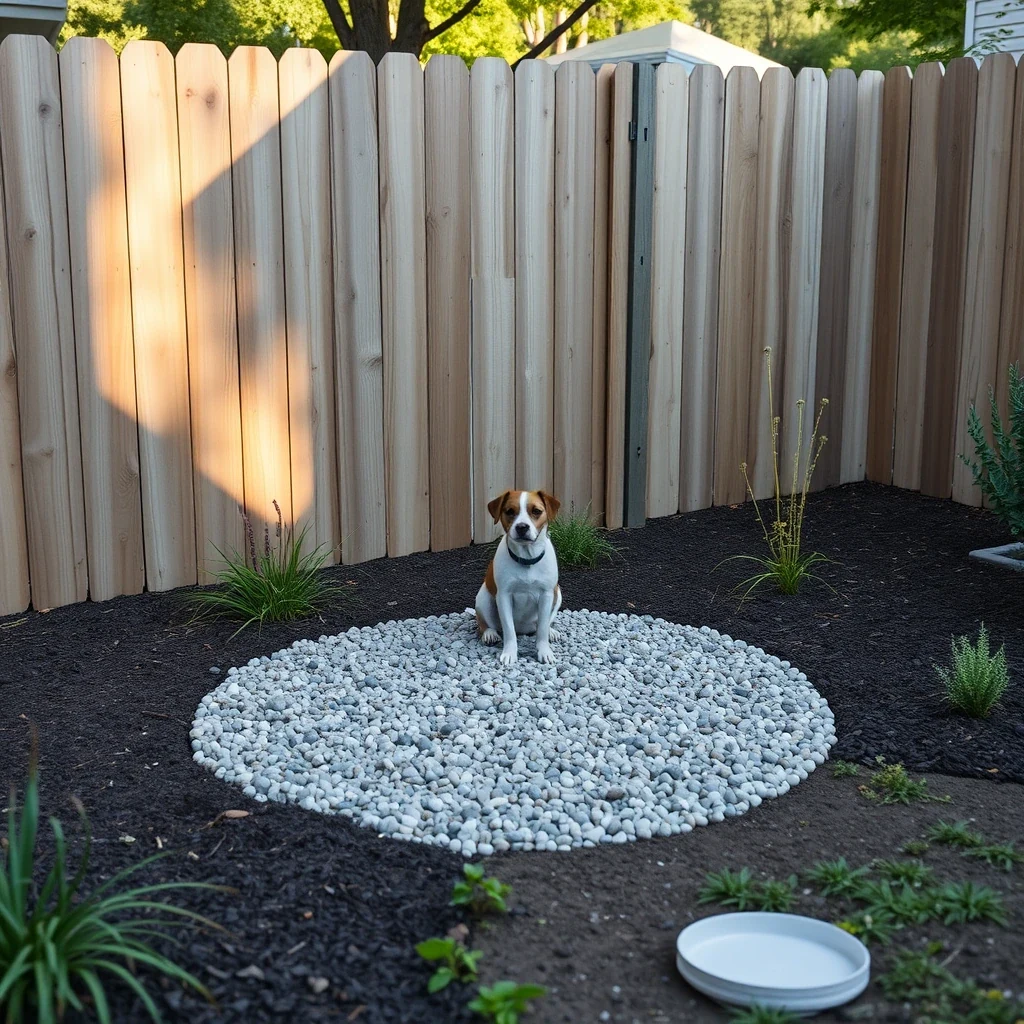
Bagging and trashing is the default and works fine, even if the bag never breaks down in a landfill. The EPA rates flushing the poop alone as one of the most eco-safe options. Composting works only in a dedicated hot or worm bin, never your garden pile, and never on food plants.
Every dog owner faces the same small chore several times a day, and most of us never think twice about what happens after the bag is tied. Does the bag matter? Is flushing really cleaner than the trash? Can you compost it like banana peels? It turns out the method genuinely matters, for your household and for local water quality, and a few of the popular "green" assumptions are flat wrong. What follows is every realistic way to get rid of dog poop, what each one actually does, and where each one falls short.
On yard and waste cleanup, see our guide to Pet Waste Stations for Apartments & HOAs.
One common worry about leftover waste is pests. We looked at the evidence on does dog poop attract rats and what actually draws rodents.
Composting is one disposal route, but it comes with real caveats. See can you compost dog poop safely and what never to do with the result.
Apartment living needs a different setup, covered in disposing of dog poop in an apartment.
Why you can never just leave it
It is tempting to assume dog waste is natural and will just melt back into the lawn. It does not. The U.S. Environmental Protection Agency classifies pet waste as a source of pathogens and excess nutrients that can wash into storm drains, streams, and lakes when it rains. According to the EPA's guidance on dog waste and water quality, runoff carrying pet feces contributes harmful bacteria and nutrients to waterways, which can spur algae growth and make water unsafe for recreation.
The health risk is real, too. Dog feces can carry roundworms, hookworms, whipworms, tapeworms, Giardia, Salmonella, and E. coli. And roundworm eggs are stubborn: the American Kennel Club notes they can survive in soil for years, which is why left-behind waste stays a hazard in parks and yards where children and other dogs play.
One more myth worth retiring: dog poop is not lawn fertilizer. Unlike composted cow or horse manure from plant-eating animals, the waste of a meat-based diet is too acidic and nutrient-heavy to feed grass, and it commonly burns and yellows turf rather than greening it. If you have noticed scorched patches where your dog goes, that is the reason. Leaving it down also defeats the point: see our notes on getting rid of dog poop smell in the yard for why prompt pickup is the only real fix.
On yard and waste cleanup, see our guide to How Much Does a Pooper Scooper Service Cost?.
Rather not scoop? Our dog waste removal service connects you with background-checked, insured local providers.
Method 1: Bag it and bin it (the everyday default)
For most owners, most of the time, the boring answer wins: scoop it into a bag, tie it off, and drop it in the household trash bound for a landfill. Fast, sanitary, legal almost everywhere, and it keeps waste out of waterways. It is the baseline nearly every municipal "scoop it, bag it, trash it" campaign recommends.
One honest caveat about the bags: plenty of products labeled "biodegradable" or "compostable" will not meaningfully break down in a landfill. Landfills are built to starve trash of oxygen and moisture, the exact conditions decomposition needs, so even a certified compostable bag can sit largely intact for years under other garbage. A compostable bag only delivers its benefit in an industrial composting facility, and most facilities will not accept pet waste. Choosing a good bag is still worth it for thickness and leak resistance, which is what our guide to the best dog poop bags focuses on, just do not expect the "biodegradable" label to change what happens in the bin.
Method 2: Flushing (rated among the most eco-safe)
The EPA points to flushing as one of the most environmentally safe ways to handle dog waste, since it then travels to a wastewater treatment plant built to neutralize exactly these pathogens. The logic is simple: your toilet routes it to the same treatment your own waste gets.
Two rules make it work. First, flush the poop and only the poop. No bag goes down the toilet, not even the ones sold as flushable, because they clog pipes and snag at the treatment plant. Either scoop the waste straight into the bowl outdoors-to-bathroom, or use a flushable liner system designed for it. Second, the EPA's recommendation is generally aimed at homes on municipal sewer. If you are on a septic system, the picture is murkier: septic tanks are sized for a household, and the hair and grit in pet waste can stress some systems. The conservative move is to check with your local water utility or a septic professional before making flushing your routine.
Method 3: Composting, but only the right way
Composting is where good intentions go wrong most often, so read this part closely. Yes, dog waste can be composted, but only in a dedicated hot composter or a dedicated vermicompost (worm) bin set up specifically for pet waste. It must never land in your regular garden or kitchen compost pile.
The reason is temperature. To kill the parasites and bacteria in dog feces, including hardy roundworm eggs, the compost has to get and stay genuinely hot. The AKC notes that an active pile can reach around 160 degrees Fahrenheit, and the USDA Natural Resources Conservation Service composting study (published as an EPA composting dog waste booklet) describes holding roughly 165 degrees Fahrenheit for about five consecutive days to reliably destroy pathogens. The catch, as the AKC and composting experts both stress, is that a casual backyard pile rarely sustains those temperatures, which is why ordinary garden compost is unsafe for this.
Even when done correctly, there is a hard limit on the finished product. Per both the AKC and the USDA guidance, never use composted dog waste on edible plants. Reserve it for ornamental beds, flowers, and trees, never the vegetable garden. The AKC adds a sensible note of proportion: if you are composting only your own dog's waste and that dog gets regular veterinary care and parasite treatment, the residual risk is lower, but the no-edibles rule still stands. For the mechanics of a backyard worm system, the practical write-up at Gardening Know How is a useful starting point.
Method 4: In-ground pet waste digesters
Think of an in-ground pet waste digester as a mini septic system for poop. You bury a perforated bin in a corner of the yard, drop the waste in, add water and an enzyme or bacterial starter, and over time the contents break down and drain into the surrounding soil. Commercial units are cheap, and a DIY version made from a drilled trash can or bucket runs on the same principle.
Digesters keep waste out of plastic bags and the landfill, and they stay tidy once installed. But the limits are real. They work best in warm weather and well-draining soil, slow down or stall in cold or clay-heavy ground, and should be sited well away from any vegetable garden, well, or water source. Because the output disperses into soil rather than being heat-treated, treat the area around a digester as you would composted pet waste: not for growing food.
Method 5: Professional pooper-scooper services
If the chore itself is the problem, you can pay to make it vanish. Professional scooping services show up on a set schedule, clear the yard, and haul the waste off, and many now route it to facilities or composting systems built to handle pet waste at scale. It is the lowest-effort option by a mile, and a favorite for owners with multiple dogs, mobility limits, or simply no patience for the job.
The trade-off is cost: this is the only method here with a recurring bill. Whether it is worth it depends on your yard, your dog count, and how much you value the time back. We break down the math in pooper-scooper service versus DIY and lay out typical pricing in our dog waste removal cost guide. As a rule of thumb, the more dogs and the larger the yard, the better the value.
Method 6: Public pet-waste stations and on-the-go disposal
Away from home, the rules shift a little. Most parks, trailheads, and apartment complexes provide pet-waste stations: a bag dispenser plus a dedicated trash receptacle. Use them. A station bin does the same job as bagging and trashing at home; it just spares you carrying a tied bag for the rest of the walk. If there is no station, the etiquette is straightforward: bag it, hold onto it, and bin it at the next trash can or back home. Never stash a tied bag in the bushes "to grab later," and never toss it in a storm drain, which sends untreated waste straight to a waterway.
The yard-versus-on-the-go distinction matters because your best options change with location. At home you can flush, compost, or use a digester. On a walk, the practical universe is basically bag-and-bin, which is exactly why frequent, consistent pickup at home is the part you most control. If you are unsure how often that should be, see how often you should scoop dog poop.
Quick comparison: eco-friendliness, effort, and cost
No single method wins on every axis. Here is how the six stack up, so you can match a method to your situation rather than chasing the "greenest" label.
| Method | Eco-friendliness | Effort | Cost |
|---|---|---|---|
| Bag and trash (landfill) | Low to moderate (bag persists, but waste is contained) | Low | Low (bags only) |
| Flushing (poop only) | High (EPA-favored where sewer-connected) | Low to moderate | Very low |
| Dedicated hot or worm composting | High (if temperatures are maintained) | High | Low to moderate (bin plus upkeep) |
| In-ground digester | Moderate to high | Moderate (install, then easy) | Low to moderate |
| Professional scooping service | Varies by provider's disposal | Very low | High (recurring) |
| Public pet-waste station | Same as bag and trash | Very low | None (provided) |
So which should you choose?
For the average household on municipal sewer, the cleanest everyday routine is simple: flush the poop at home, bag-and-bin when you are out, and keep a good thick bag on hand for the trips that need one. If you want a lower-waste yard setup and have the patience, a dedicated hot composter or an in-ground digester does the job, as long as you respect the temperature reality and keep the output away from food plants. If the task itself is the obstacle, a scooping service is a legitimate answer that buys back your time. The one option that is never acceptable is leaving it on the ground: that is the choice the EPA, the AKC, and your neighbors all agree against.
Frequently asked questions
Is it better to flush dog poop or throw it in the trash?
Do biodegradable poop bags actually break down in a landfill?
Can I compost dog poop in my regular garden compost pile?
What temperature does compost need to reach to kill dog waste pathogens?
Can I use composted dog poop on my vegetable garden?
Is dog poop good fertilizer for my lawn?
What is an in-ground pet waste digester?
Why is it such a big deal to leave dog poop on the ground?
Sources & references
- epa.gov https://www.epa.gov/sites/default/files/2015-09/documents/dog_waste.pdf
- epa.gov https://www.epa.gov/system/files/documents/2022-11/Composting-Dog-Waste-Booklet-Alaska.pdf
- gardeningknowhow.com https://www.gardeningknowhow.com/composting/manures/dog-waste-in-compost.htm