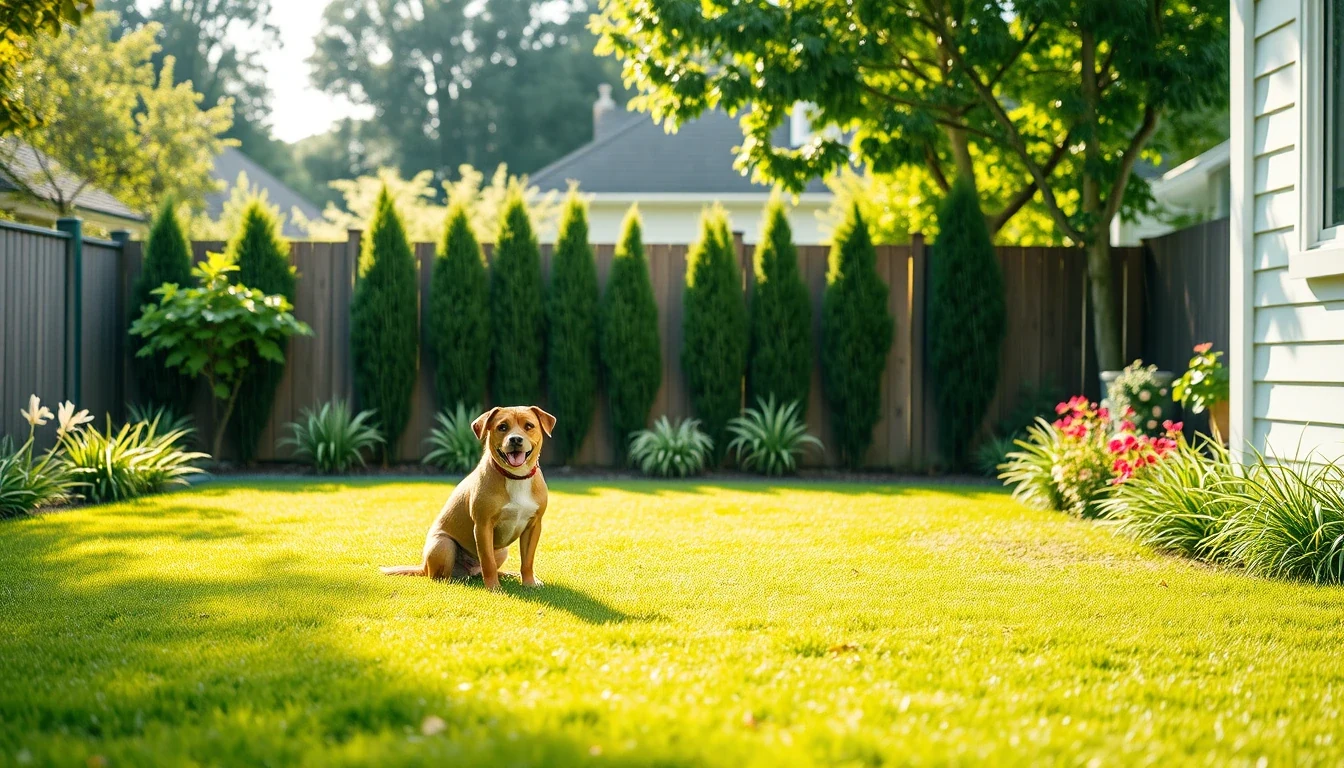
Scoop everything first, then rinse the area down with water to dilute residue. For lingering odor, an enzyme cleaner is the only thing that fully breaks down the organic compounds causing the smell. Garden lime can neutralize odor safely; never use caustic hydrated lime around pets.
A yard that smells of dog waste is almost never a mystery. The odor is organic residue and bacteria that have soaked into grass, soil, or turf infill, and masking sprays do nothing about either. The fix is a short, ordered process: remove the waste, dilute with water, then break down the residue with the right cleaner. This guide ranks the methods that work, flags one lime product that is genuinely dangerous, and covers the prevention that keeps the smell from coming back.
For a deeper dive, see our guide to how much to charge for a pooper scooper service: a pricing guide for operators (2026).
Related reading: how to train a dog to poop in one spot: a step-by-step guide.
On yard and waste cleanup, see our guide to How to Stop a Dog From Eating Poop.
Odor usually starts with a backlog of waste, so clear it first. Here is how to clean up a yard full of dog poop, tools and a systematic method included.
The same waste that smells is also hard on your lawn. Here is how dog waste damages grass and how to keep the turf green.
Cold weather brings its own challenges, handled in cleaning up dog poop in winter.
What actually causes the smell?
Dog waste is loaded with bacteria, an estimated 23 million fecal coliform bacteria per gram according to EPA pet-waste data, plus nitrogen-rich organic compounds. When waste sits on a lawn, that material soaks down into soil, grass thatch, or the infill layer of artificial turf. Scooping removes the visible source but leaves the residue behind, which is exactly why a yard can still reek after you have picked up every piece. To kill the smell you have to deal with what soaked in.
What are the immediate fixes?
Start here, always in this order. First, scoop every piece of waste. Then rinse the area down with plenty of water. Dilution is underrated: a thorough hosing washes a large share of the odor compounds deeper into the soil and away from nose level, and it costs nothing.
For the residual smell, two cheap deodorizers help as a stopgap. On grass and soil, sprinkle baking soda over the area; it absorbs odor and is safe around pets. On patios, decking, and other hard surfaces, mix one part white vinegar to three parts water and spray, let it sit a few minutes, then rinse. Vinegar neutralizes odor and is mild enough for hard surfaces. Neither baking soda nor vinegar truly destroys the organic compounds, though, which is why they are a stopgap and not the real fix.
How do enzyme cleaners work, and why are they the real fix?
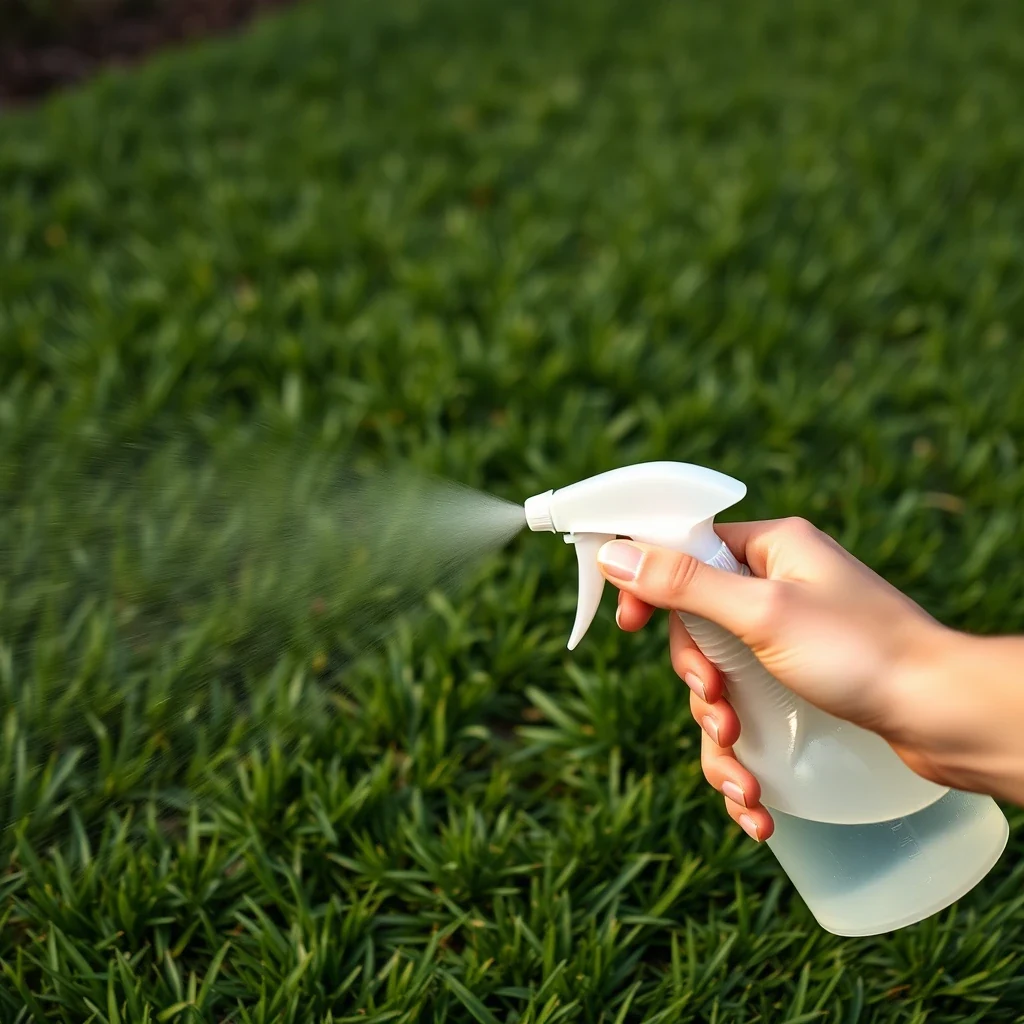
An enzymatic cleaner is the one product that removes dog-waste odor rather than covering it. Enzyme cleaners contain helpful, non-pathogenic bacteria that produce enzymes, mainly proteases, which break protein-based waste compounds into small pieces. The bacteria then digest those pieces. Because the actual odor molecules are taken apart, the smell does not return once the area dries. A masking spray just sits on top until it fades and the original odor is still there underneath.
To use one well: apply it generously so it soaks into the soil or turf infill as deep as the residue went, and let it air dry rather than wiping or rinsing it off immediately. The enzymes need contact time to work. Choose a cleaner labeled for outdoor or lawn use, and for synthetic turf pick one made for artificial grass. Enzyme cleaners are the standard recommendation for organic pet stains and odor because nothing else fully breaks the compounds down.
Is garden lime safe for dog poop odor?
Lime can neutralize acidic odor in soil, but the type matters enormously, and getting this wrong can injure your dog.
| Type | Also called | Pet-safe? | Notes |
|---|---|---|---|
| Garden lime | Agricultural lime, calcium carbonate | Yes | Non-toxic, neutralizes acidic soil odor, safe when applied as directed and watered in |
| Hydrated lime | Slaked lime, builders' lime, type S lime | No | Caustic strong base; causes chemical burns to skin and paw pads; not recommended for lawns |
| Quicklime | Burnt lime, calcium oxide | No | Highly reactive and dangerous; never use around pets or lawns |
The rule is simple: only use garden lime (calcium carbonate). It is generally regarded as safe to handle and presents little hazard when used to recommended rates. Never use hydrated or slaked lime in a yard your dog uses. It is a strong base that reacts on contact with skin and causes chemical burns, and university extension services do not recommend it for home lawns and gardens. Apply garden lime lightly per the package rate and water it in. If you are unsure which bag you have, do not use it around pets until you confirm.
How do you clean dog poop smell from artificial grass?
Artificial turf needs a slightly different approach. Soil drains and partly breaks waste down over time; turf does not. Liquid and odor compounds sink into the backing and the infill layer and stay there. Scoop the solids, then rinse thoroughly to flush as much as possible out of the infill. Follow with an enzyme cleaner formulated for synthetic turf, letting it soak into the infill before a final rinse. A diluted vinegar spray works for light maintenance between deep cleans.
Avoid bleach on artificial grass. It can degrade the turf fibers and backing and shorten the lifespan of an expensive surface, while still not breaking down the organic odor the way an enzyme cleaner does.
How do you prevent the smell from coming back?
Cleanup is reactive. Prevention is what gives you a yard that simply does not smell. Three habits do most of the work:
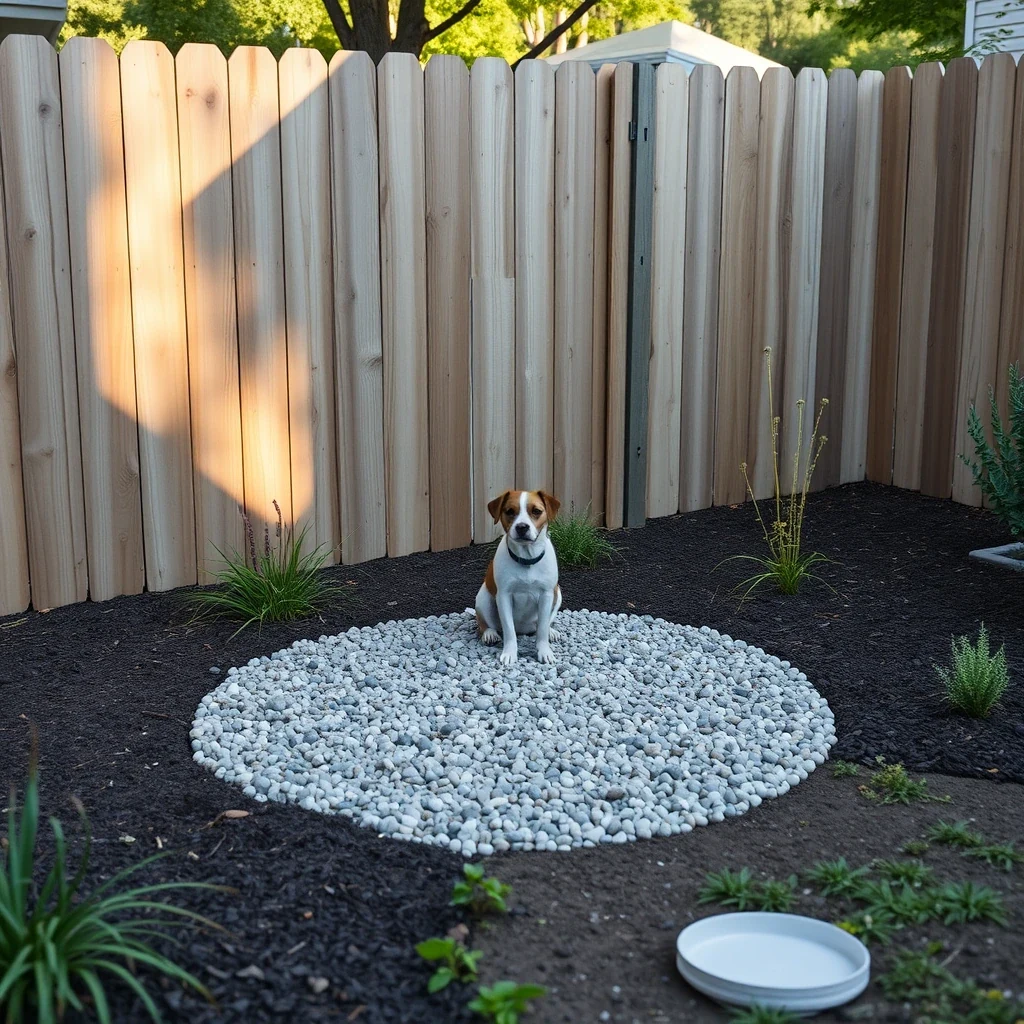
- One designated potty spot. Train your dog to use a single area, ideally gravel or mulch that drains well and is easy to rinse. It concentrates cleanup to one manageable patch instead of the whole lawn.
- Scoop daily. The single biggest factor. Waste that never accumulates never has time to soak in and smell. See our guide on how often you should scoop dog poop for the full frequency breakdown.
- Rinse and treat on a schedule. Hose the potty area weekly and apply enzyme cleaner monthly so residue never builds up.
If keeping up with daily pickup is unrealistic, a service handles the prevention for you. Compare the numbers in our guide to pooper scooper service cost and our honest look at a service versus doing it yourself. For shared properties, see pet waste stations for apartments and HOAs. The full topic hub is our dog waste removal guide.
When does the smell signal a drainage problem?
If you scoop daily, rinse, and treat with enzyme cleaner and one spot in the yard still smells, the problem may not be the waste at all. A persistent sour odor concentrated in a low, soggy area usually means poor drainage. Standing water traps waste runoff, keeps the soil anaerobic, and produces a smell that cleaning cannot reach because the area never fully dries.
Tells to watch for: water pooling after rain, ground that stays muddy for days, moss or algae, and grass that struggles in that spot. The fix is grading or drainage work, regrading the low area, adding a French drain, or improving soil so it absorbs water, rather than more cleaner. Until drainage improves, keep that area off the dog's potty rotation.
Frequently asked questions
How do I get rid of dog poop smell in my yard fast?
What is the best cleaner for dog poop smell in a yard?
Can I use lime to get rid of dog poop smell?
How do I remove dog poop smell from artificial grass?
Why does my yard still smell after I scoop the poop?
How do I stop my yard from smelling of dog poop long term?
Enzyme-cleaner mechanics are based on published explanations of enzymatic and protease-based pet cleaners, including Rover's review of enzymatic cleaner science. Lime safety guidance follows Oregon State University Extension and University of Maryland Extension. Bacteria load in dog waste is from the EPA pet waste fact sheet. We refresh this guidance as new public-health and extension data is published.
Sources & references
- rover.com https://www.rover.com/blog/do-enzymatic-cleaners-work/
- extension.oregonstate.edu https://extension.oregonstate.edu/ask-extension/featured/applying-hydrated-lime-my-garden
- extension.umd.edu https://extension.umd.edu/resource/lime-and-lawns/
- cfpub.epa.gov https://cfpub.epa.gov/npstbx/files/cwc_petwastefactsheet.pdf
- cdc.gov https://www.cdc.gov/healthypets/pets/dogs.html