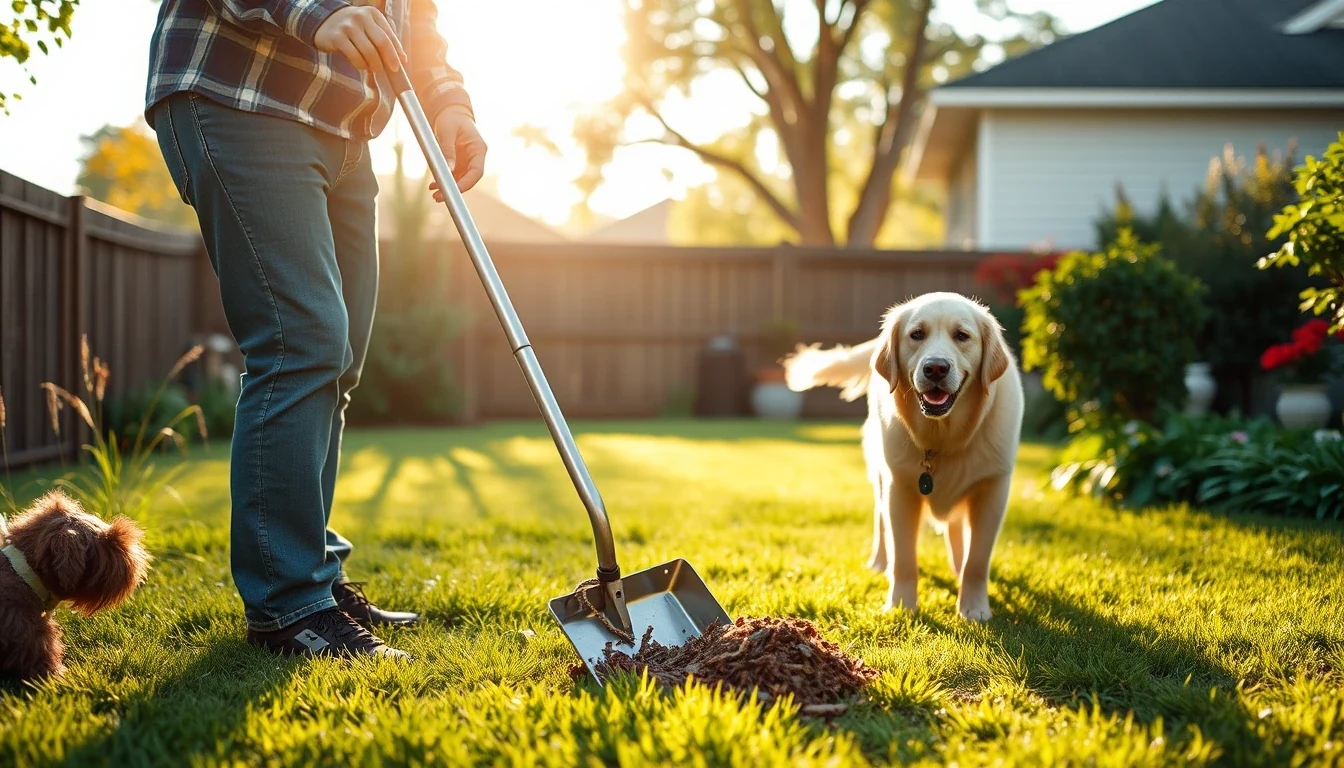
Scoop dog poop daily. That is the gold standard for health and lawn care. A large single-dog yard can stretch to every two or three days, and weekly is the absolute minimum before bacteria, parasites, and nitrogen burn start doing real damage.
The honest answer is every day. Daily scooping is the standard that keeps a yard safe, usable, and free of lawn damage. You can stretch it in some situations and you can fall behind in others, but the moment dog waste sits longer than a week you are dealing with active bacteria, parasite eggs that can outlast the season, and grass that is already burning. Here is the real frequency for your situation, and the reasons behind each number.
If the smell has already set in, see how to get rid of dog poop smell in your yard.
For a deeper dive, see our guide to how much to charge for a pooper scooper service: a pricing guide for operators (2026).
Related reading: how to train a dog to poop in one spot: a step-by-step guide.
On yard and waste cleanup, see our guide to How to Stop a Dog From Eating Poop.
The reason frequency matters comes down to health and pollution. Here are the real dangers of not picking up dog poop, from parasites to waterways.
A messy yard is a pest question too. We dug into whether dog poop attracts rats and the changes that actually keep rodents away.
How often should you scoop dog poop, really?
Daily pickup is what every veterinary and environmental source points to, and it is not fussiness. Waste starts breaking down within hours. Bacteria multiply, parasite eggs begin maturing into an infective stage, flies find it, and the nitrogen starts moving into your soil. None of that pauses to wait for a convenient weekend.
That said, "daily" is the target, not a rigid rule for every household. Frequency genuinely depends on how many dogs you have, how big the yard is, the season, and who else uses the space. The table below is the practical version.
Scooping frequency by situation
| Situation | Recommended frequency | Why |
|---|---|---|
| One dog, large yard, mild climate | Every 2 to 3 days | Waste is spread thin; lower contact risk if the yard is large |
| One dog, small yard or patio | Daily | Little room to avoid waste; odor and contact build fast |
| Two or more dogs | Daily, no exceptions | Volume and cross-contamination risk both scale per dog |
| Puppy in the home | Daily, sometimes twice | Puppies poop more often and are most vulnerable to parasites |
| Yard used by children | Daily | Children are the group most at risk for roundworm infection |
| Hot or humid climate | Daily | Heat speeds bacteria growth and hookworm egg development |
| Winter and snow | After each snowfall | Snow conceals waste; it all thaws into one mess in spring |
Why does leftover dog poop matter for health?
This is the part most owners underestimate. A single gram of dog waste contains an estimated 23 million fecal coliform bacteria, roughly twice the count in human feces, according to EPA pet-waste guidance. Those bacteria can cause cramps, diarrhea, and intestinal illness in people who come into contact with contaminated soil or water.
Waste also carries parasites. Roundworm and hookworm are both zoonotic, meaning they pass from dogs to humans. The CDC notes that hookworm larvae infect people through skin contact with contaminated soil, often bare feet, while roundworm spreads when contaminated soil is accidentally ingested, which is why young children playing in a yard are the highest-risk group. The hardy part is the timeline: roundworm and whipworm eggs can survive in yard soil for years, surviving cold winters and resisting attempts to disinfect. Hookworm eggs can hatch into infective larvae in as little as nine hours in warm conditions.
Dog waste can also carry parvovirus, salmonella, and giardia. Parvo in particular is extremely durable in the environment, which is one reason prompt cleanup matters in homes with unvaccinated puppies. The practical takeaway: the cost of leaving waste is not just odor, it is a measurable health load that compounds the longer it sits.
Does dog poop actually damage your lawn?
Yes, and the reason surprises people who assume waste works as free fertilizer. Dog waste is high in nitrogen and phosphorus. A small dose of nitrogen helps grass, but the concentration in a pile of waste overwhelms grass roots and causes nitrogen burn: a yellowing ring that fades to a dead brown patch. The same nitrogen-rich, moist conditions also encourage lawn fungus to spread.
Herbivore manure works as fertilizer because cows eat only plants and their waste is comparatively balanced. Dogs are omnivores, so their waste is acidic, nutrient-imbalanced, and slow to break down safely. Leaving it on the lawn is not composting, it is a slow chemical burn plus a parasite reservoir. Scooping daily is the cheapest lawn-care step you will ever take.
How yard size and dog count change the math
Frequency advice gets vague because two factors pull in opposite directions, so it helps to separate them. Dog count sets how fast waste accumulates. One average dog produces roughly three quarters of a pound of waste a day; two dogs roughly double that, and the cross-contamination risk doubles too, because if one dog sheds parasite eggs the other can pick them up from the shared yard. Yard size sets how concentrated that waste is. A quarter-acre yard spreads one dog's output thin enough that you have room to maneuver for a day or two. A small townhouse yard or a balcony gives you no buffer at all.
Put together: large yard plus one dog is the only combination where every two or three days is genuinely fine. Every other combination, especially small yard or more than one dog, should default to daily. Puppies tilt the math further still. They eliminate more often than adult dogs, their immune systems are still developing, and they are the group most likely to mouth contaminated grass, so a home with a puppy should treat daily pickup as non-negotiable and not be surprised if twice a day is needed during house-training.
Climate is the quiet multiplier. Heat and humidity speed bacterial growth and let hookworm eggs reach an infective larval stage in hours rather than days, so a hot-summer yard should be scooped daily even if it is large and has one dog. Cold slows decomposition but, as the next section explains, it does not buy you a pass.
What about winter and snow buildup?
Winter is when good habits quietly collapse. Snow covers waste, the yard looks clean, and scooping slips. But cold does not sterilize anything. Frozen waste simply stops decomposing while parasite eggs ride out the freeze unharmed. Then spring arrives, the whole winter's accumulation thaws at once, and you get a concentrated wave of bacteria, odor, and runoff in a single weekend.
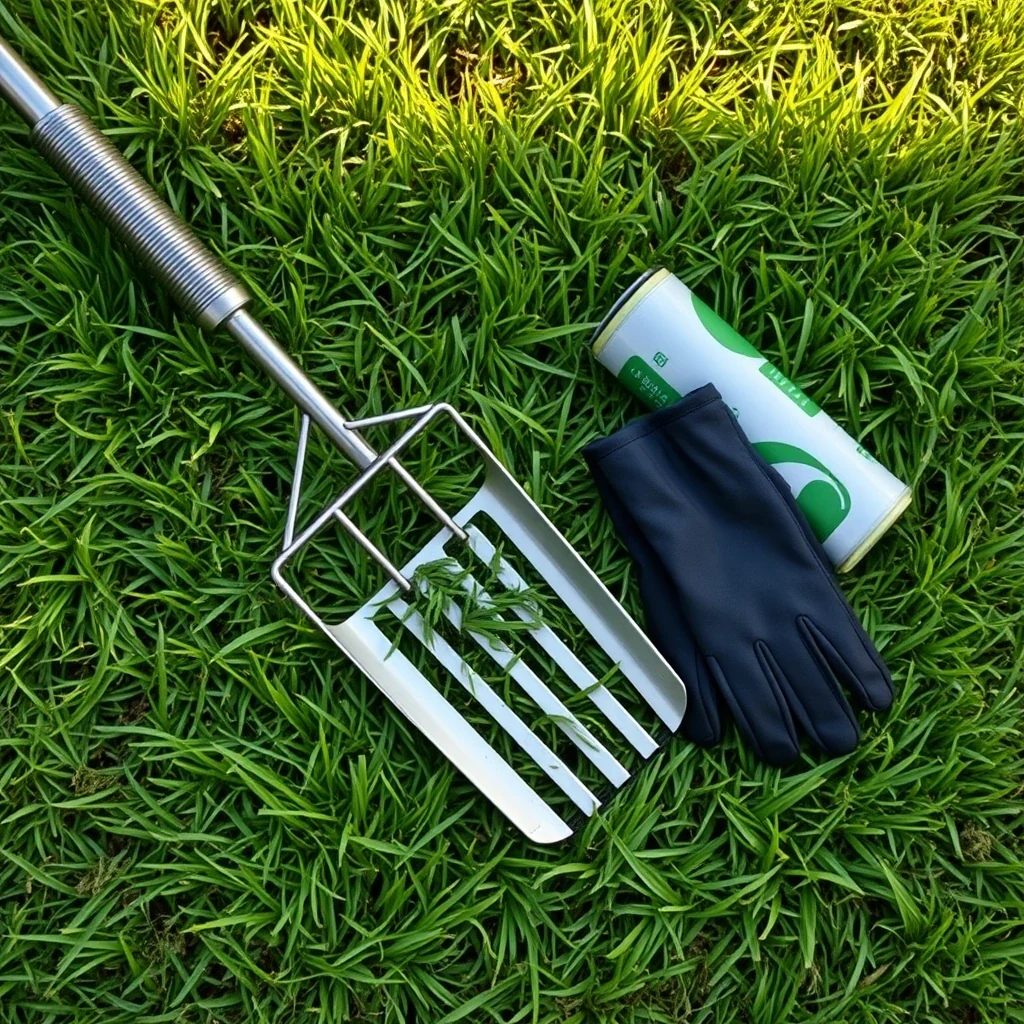
The fix is simple: pick up after each snowfall, or as soon as the yard is walkable. A long-handled scooper and a headlamp for short winter days make it manageable. If winter pickup is the part you reliably skip, that is a strong signal to look at a service.
When should you hire a pooper scooper service?
Doing it yourself is fine for most single-dog households that stay consistent. A service earns its keep when consistency is the problem. Common triggers:
- Multiple dogs producing more waste than you can keep up with
- A large or heavily landscaped yard that takes real time to clear
- Mobility limits that make bending and scooping hard
- An unpredictable work or travel schedule
- You simply keep falling a week or more behind
Most residential plans run weekly or twice-weekly visits and are priced per dog and per yard size. Before deciding, read our breakdown of how much a pooper scooper service costs and our honest comparison of a service versus doing it yourself. If you manage a shared property, our guide to pet waste stations for apartments and HOAs covers communal setups. And if you are weighing this as a side income, see how to start a pooper scooper business. The full topic hub lives at our dog waste removal guide.
Frequently asked questions
How often should you scoop dog poop?
Is it bad to leave dog poop in the yard?
How often should you scoop poop with multiple dogs?
Does dog poop ruin grass?
How often should I scoop poop in winter?
When should I hire a pooper scooper service?
Bacteria figures and pet-waste pollution data are sourced from the EPA pet waste fact sheet and EPA guidance on pets and nutrient pollution. Parasite and zoonotic-risk details follow the CDC pages on toxocariasis (roundworm) and zoonotic hookworm, plus the AVMA pet parasite guide. Lawn-damage details follow University of Maryland Extension. We refresh this guidance as new public-health data is published.
Sources & references
- cfpub.epa.gov https://cfpub.epa.gov/npstbx/files/cwc_petwastefactsheet.pdf
- cdc.gov https://www.cdc.gov/toxocariasis/about/index.html
- cdc.gov https://www.cdc.gov/zoonotic-hookworm/about/index.html
- epa.gov https://www.epa.gov/nutrientpollution/sources-and-solutions-pets
- extension.umd.edu https://extension.umd.edu/resource/dog-urine-and-lawns/
- avma.org https://www.avma.org/resources/pet-owners/petcare/pet-owners-guide-pet-parasites