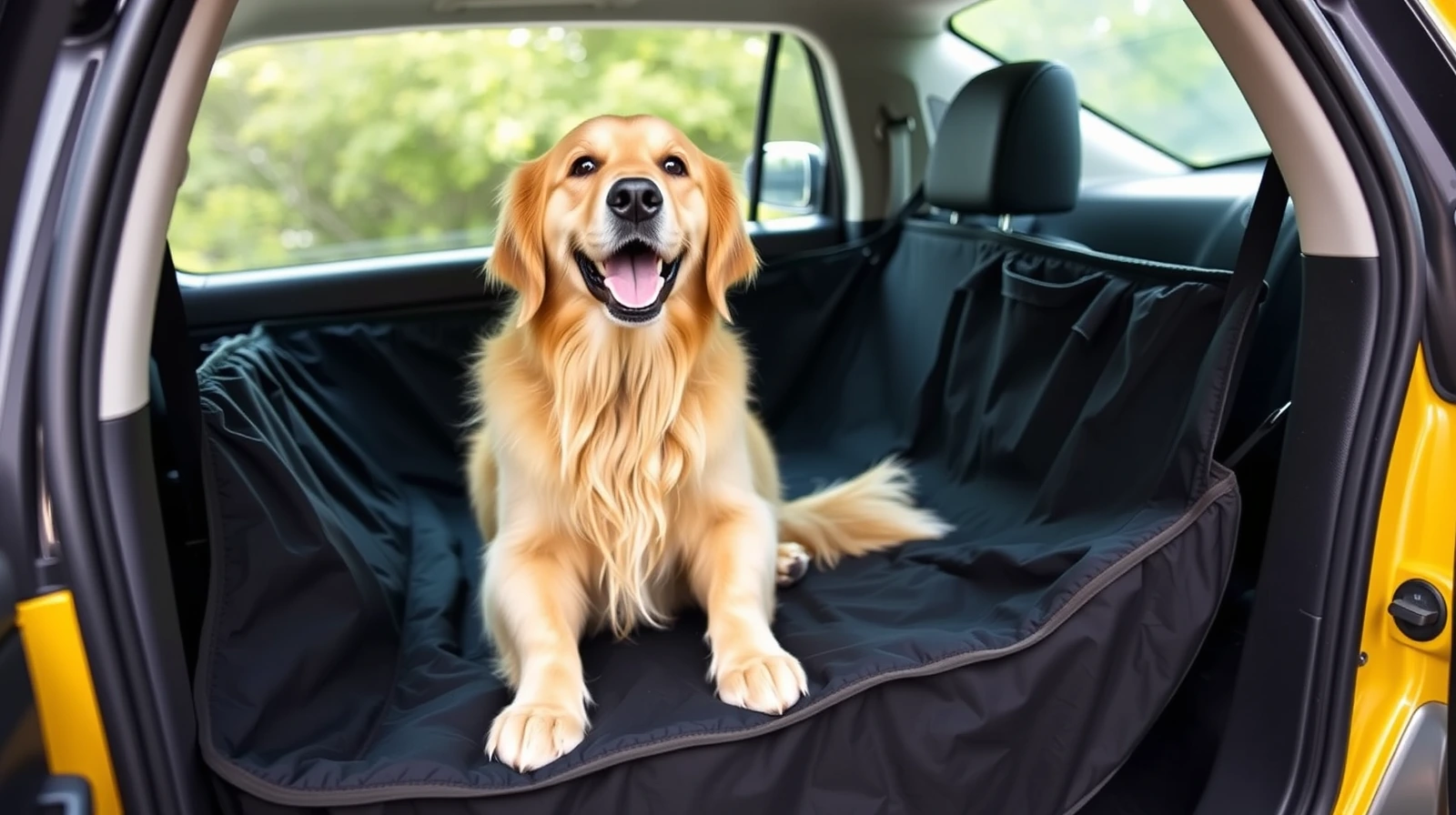
An elevated dog car seat (booster) lifts a small or anxious dog up to window height, which can ease carsickness and nerves. Most are not crash-tested, so always pair one with a crash-tested harness or a tether clipped to a harness, never the collar.
An elevated dog car seat, often called a booster, is a raised, structured bed that clips into your vehicle so a small dog can ride at window height instead of sliding around on the upholstery. For the right dog, the lift is the whole point: a clear view out the window settles many anxious or carsick travelers, and the structured walls keep a nervous pup from pacing the seat. This guide explains who a booster suits, the one safety rule that matters most, what to check before you buy, and which product categories fit which use case. We do not assign star ratings or guarantee prices, because those change. Always confirm the current price and weight limit on the brand or retailer page before you order.
Gearing up for your pet? Compare our pick for the Best Cat Toys.
What a dog booster car seat is and who it suits
A booster seat is essentially a padded box with raised sides that sits on your vehicle's bench seat. It anchors in place using the seat belt, the headrest posts, or both, and it has a short internal tether you clip to your dog's harness so they cannot climb out or be thrown forward. The defining feature is height. By lifting the dog several inches, the seat lets a small dog see the road ahead, which is exactly what tends to calm a window-staring, whining, or queasy passenger.
Boosters are built for small and many medium dogs, typically in the 8 to 30 pound range, though some larger models go higher. They are a poor fit for big dogs, who do better with a cargo-area barrier or a harness-and-seat-belt setup. If your main problem is hair and mud rather than anxiety, you want a car seat cover instead. And if your dog struggles to climb into the vehicle at all, look at a dog ramp rather than a booster. The booster solves one specific problem: a small or anxious dog who needs to be raised, contained, and able to see out.
Gearing up for your pet? Compare our pick for the Best Dog Snuffle Mat.
Safety first: most booster seats are not crash-tested
This is the part most product listings gloss over, so read it carefully. The vast majority of elevated dog booster seats on the market are comfort and containment products, not crash-protection devices. They are not independently crash-tested, and they are not designed to protect your dog in a collision the way a certified harness or a certified carrier is.
The Center for Pet Safety (CPS), an independent nonprofit that crash-tests pet travel gear, has been blunt about this category. In its pet travel seat work, CPS found that elevated seats can place a smaller dog at greater risk of injury or ejection in a crash than securing the same dog in a carrier that earned CPS Top Performer status. Very few restraint products of any kind pass CPS testing, and the booster seats in its pilot study did not perform like a protective device. You can read the summary in the CPS pet travel seat pilot study.
So how should you use a booster responsibly? Treat it as a comfort and containment tool, and add real restraint on top of it:
- Always clip the internal tether to a well-fitted body harness, never to your dog's collar. A collar tether can cause serious neck injury in a sudden stop.
- For the strongest protection, use the booster together with a crash-tested dog car harness attached to the vehicle's seat belt or a dedicated anchor, rather than relying on the seat's short strap alone.
- If crash protection is your top priority and your dog is small enough, consider that CPS recommends a certified carrier over a booster for the smallest dogs.
- Keep the seat on a back seat. Front-seat airbags are dangerous for pets, just as they are for small children.
In short, a booster can absolutely make travel calmer and tidier, and it stops a loose dog from climbing into your lap. Just do not mistake it for a safety device on its own. The harness is what does the protecting.
Gearing up for your pet? Compare our pick for the Best Dog Lick Mat.
What to look for in a booster seat
Weight limit and fit
Check the rated weight limit against your dog's actual weight, with a margin to spare. A seat rated for 25 pounds is not a good choice for a 24 pound dog who is still growing. The dog should be able to sit, stand, and turn around, but the seat should not be so roomy that they slide. Confirm the current weight rating on the brand page, since manufacturers revise these.
Secure strap routing
Look at how the seat anchors. The best designs route a strap around the headrest posts and a second strap through the seat belt, so the box cannot tip or slide. A seat that only rests on the cushion will shift every time you brake. Strap routing is the single most important build feature after the weight limit.
Structured walls and a real tether
Soft, collapsible sides defeat the purpose. You want rigid or semi-rigid walls that hold their shape and an internal tether with a sturdy clip and adjustable length. The tether should be short enough that the dog cannot reach the window or your shoulder.
Washable liner
Dogs shed, drool, and occasionally get sick on car trips, especially the carsick ones a booster is meant to help. A removable, machine-washable liner turns cleanup into a five-minute job. This is a small detail that you will appreciate weekly.
Product categories and representative models
Rather than ranking individual products with invented scores, it helps to understand the categories. The well-known models below illustrate each type. Treat the price bands as rough guidance and verify the current price and weight limit on the brand or retailer site before buying.
Bucket-style boosters
These deep, rigid-walled seats hold their shape well and suit dogs who like to feel enclosed. The K&H Bucket Booster is a familiar example of this type, generally aimed at small to medium dogs. Pet Gear and PetSafe Happy Ride sell similar structured boosters. Expect this category to run roughly $40 to $100 or more depending on size.
Lookout-style raised beds
These prioritize height and a plush, open feel so the dog can see out comfortably. The Snoozer Lookout line is the best-known example and comes in multiple sizes for different weight ranges. This style is often the most calming for an anxious or carsick dog because the view is unobstructed. Pricing typically lands in the higher part of the band, often $90 and up.
Budget and convertible boosters
Brands like Kurgo and various Kong-branded options offer lighter, often foldable boosters that double as a carrier or a home bed. These trade some rigidity for portability and a lower price, frequently in the $30 to $60 range. They are a sensible entry point, but inspect the wall structure, because the cheapest models can be floppy.
Whichever you choose, none of these are sold as crash-tested protection. The category points stand: pair any of them with a harness and tether, and use the comparison table below to match a type to your dog.
Comparison by use case
| Use case | Best seat type | Representative models | Typical price band | What to confirm |
|---|---|---|---|---|
| Tiny dog (under 12 lb) | Deep bucket booster or small Lookout | K&H Bucket Booster, Snoozer Lookout I | $40–$120 | Weight rating and that the tether is short enough |
| Medium dog (12–30 lb) | Large bucket booster | K&H Bucket Booster (large), Pet Gear, PetSafe Happy Ride | $50–$120 | Upper weight limit on the brand page |
| Anxious or carsick dog | Raised Lookout-style bed for max visibility | Snoozer Lookout | $90–$160 | Seat height versus your window line |
| Budget or occasional trips | Foldable convertible booster | Kurgo, Kong-branded boosters | $30–$60 | Wall rigidity and strap routing |
How a booster helps anxious and carsick dogs
Carsickness in dogs is often a mix of inner-ear motion confusion and stress, and it is especially common in puppies and dogs who rarely ride. Letting a dog see the horizon helps the brain reconcile what it feels with what it sees, much the way a person feels better looking out the windshield than down at a phone. Raising a small dog to window height with a booster is a low-effort way to give them that view. The structured walls add a second benefit: a contained, predictable space reduces the pacing and lap-climbing that feed anxiety.
A booster is one tool, not a cure. Pair it with short, positive practice drives, fresh air, and an empty stomach before travel. For a deeper plan, see our guide to easing dog car anxiety and our overview of how to transport a dog in a car safely. The American Kennel Club also covers the basics in its guide to traveling with your dog in the car.
Setup and everyday use
Install the seat on a rear bench, away from airbags. Loop the upper strap around the headrest posts and tighten it, then route the lower strap through or around the seat belt and buckle it so the box cannot slide forward. Put your dog in a properly fitted harness, set them in the seat, and clip the internal tether to the harness back ring. Adjust the tether so the dog can sit and lie down but cannot reach the window or climb out. Take a short test drive around the block before any long trip, and watch that the seat stays put under braking. State rules on pet restraint vary, so it is worth checking our summary of dog seat belt laws by state before a road trip.
Frequently asked questions
Are dog booster car seats crash-tested?
What size dog is a booster seat for?
Should the tether clip to the collar or the harness?
Do booster seats help with car anxiety and carsickness?
How much does a good dog booster seat cost?
How do I keep the booster seat from sliding?
Is a booster safer than a crash-tested carrier for a small dog?
Can I use a booster seat in the front seat?
Sources & references
- centerforpetsafety.org https://centerforpetsafety.org/test-results/
- centerforpetsafety.org https://centerforpetsafety.org/pet-seat-pilot-study/
- akc.org https://www.akc.org/expert-advice/training/how-to-travel-with-dogs-in-the-car/
- snoozerpetproducts.com https://snoozerpetproducts.com/dog-beds-car-seats/lookout-car-seats-snoozer/
- chewy.com https://www.chewy.com/kh-pet-products-bucket-booster-pet/dp/46570