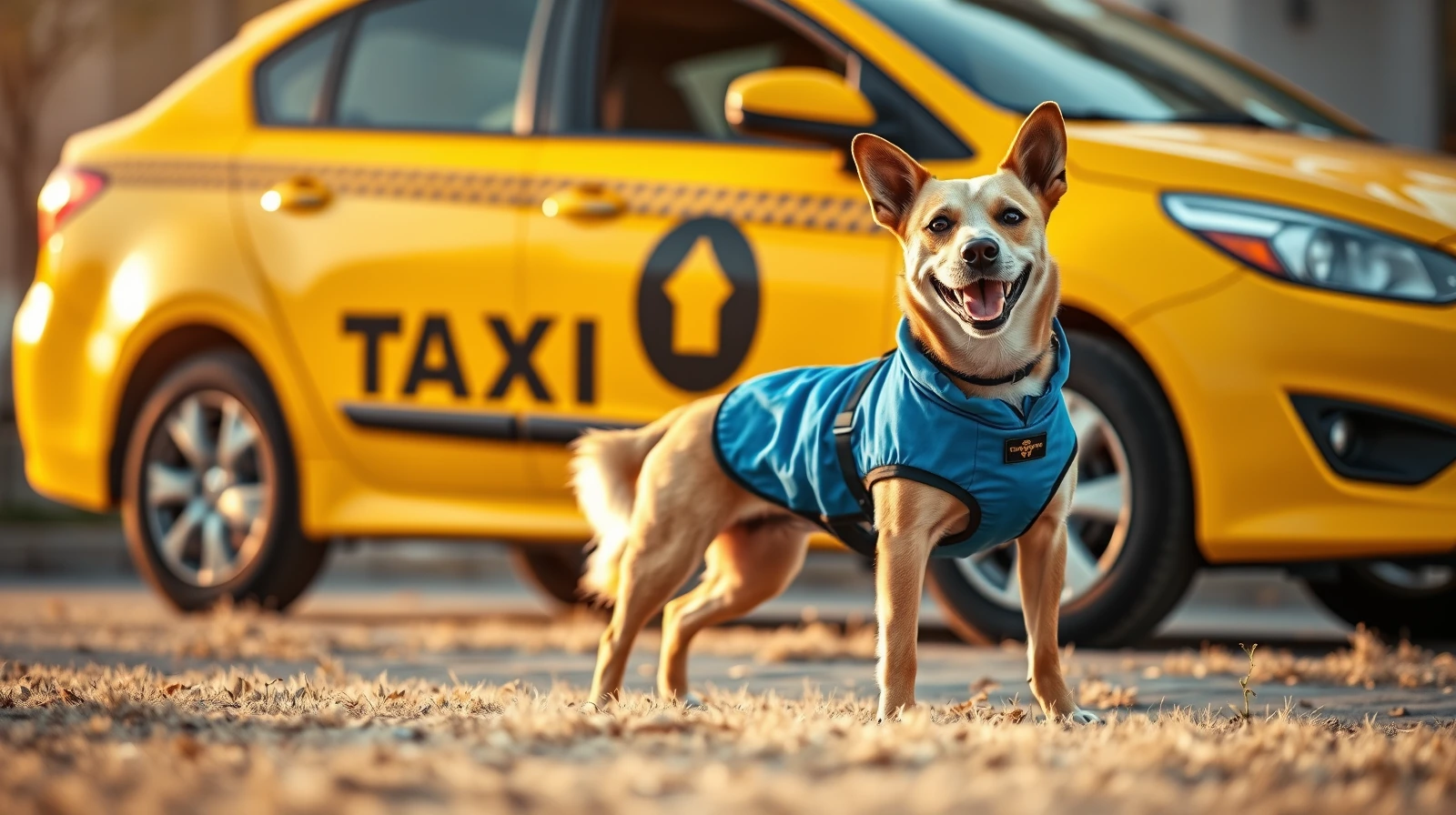
The best dog cooling vest for most owners is the Kurgo Core Cooling Vest for its harness-compatible fit and lifetime warranty, with the Ruffwear Swamp Cooler the top pick for hiking. Evaporative vests run roughly $20 to $80 and cool best in dry heat. They supplement shade, water, and avoiding midday sun, not replace them.
The best dog cooling vest for most owners is the Kurgo Core Cooling Vest for its harness-compatible fit and lifetime warranty, with the Ruffwear Swamp Cooler the top pick for hiking. Evaporative vests typically run roughly $20 to $80 and cool best in dry heat. They are a supplement to shade, water, and avoiding midday sun, not a substitute. Confirm current prices and sizing on the maker's site.
Related reading: Best Cat Scratching Post.
You may also want our guide to Best Dog Crate.
Quick verdict: which cooling vest for which dog
We looked at six evaporative cooling vests that are currently sold and widely reviewed. There is no single winner for every dog, because fit, climate, and how your dog actually wears gear all matter. Here is the short version before the detail:
- Best all-rounder: Kurgo Core Cooling Vest. Harness-compatible, machine washable, backed by Kurgo's lifetime warranty.
- Best for hiking and active dogs: Ruffwear Swamp Cooler or Swamp Cooler Zip. Over-the-head design built to resist chafing on the trail.
- Best value: GF Pet Elastofit Ice Vest. A stretchy fit and a reasonable price, with several hours of cooling per soak.
- Best budget pick: SGODA Dog Cooling Vest. A simple three-layer evaporative wrap at the low end of the price range.
- Best for European-climate fit and small breeds: Hurtta Cooling Wrap, where currently stocked, with its contoured cut.
Prices below are approximate ranges seen across major retailers in mid-2026 and move with sales and sizing. Always confirm the current price and exact size chart on the maker's official page before buying, because dog gear sizing varies a lot between brands.
How evaporative cooling actually works (and its real limits)
Almost every dog cooling vest on the market is an evaporative vest. The principle is simple physics: you soak the vest in water, wring it out, and put it on the dog. As the trapped water evaporates off the fabric, it pulls heat away from the surface, which can feel cooler against your dog than the surrounding air. The usual three-step instruction printed on most labels is wet, wring, wear.
The catch is the part marketing rarely emphasizes: evaporative cooling depends on the air being dry enough to accept that moisture. In dry heat, evaporation is fast and the cooling effect is real and noticeable. In high humidity, roughly above 50 percent relative humidity, the surrounding air is already close to saturated, evaporation slows dramatically, and the vest does much less. In very humid conditions a soaked vest can even feel like a warm, wet blanket. This is the same reason sweat cools you efficiently in a desert and barely at all in a swamp.
So set expectations honestly. If you live in or are traveling through a dry climate, an evaporative vest is a genuinely useful tool. If you are in a hot and humid region, treat it as a minor aid at best and lean far harder on shade, cool water, air conditioning, and timing your activity for the cooler parts of the day. Re-wet the vest as it dries out, which in hot dry air can be every one to a few hours depending on the product.
The 6 cooling vests, compared
| Product | Type | Best for | Sizing range | Approx. price |
|---|---|---|---|---|
| Kurgo Core Cooling Vest | Evaporative, harness-compatible | Everyday all-rounder | XS to L (check chart) | ~$40-$60 |
| Ruffwear Swamp Cooler | Evaporative, over-the-head | Hiking and active dogs | XXS to XL | ~$50-$80 |
| Ruffwear Swamp Cooler Zip | Evaporative, side zip | Easier on/off, deep-chested dogs | XXS to XL | ~$55-$85 |
| GF Pet Elastofit Ice Vest | Evaporative, stretch fit | Value and snug fit | XS to XL | ~$25-$45 |
| SGODA Dog Cooling Vest | 3-layer evaporative | Budget | S to XXL | ~$15-$30 |
| Hurtta Cooling Wrap/Vest | Evaporative, contoured | Snug Euro fit, small breeds | Varies by region | ~$35-$70 |
Prices and exact sizing are approximate and change often. Confirm both on the maker's official page before you order, and measure your dog's chest girth and neck rather than guessing from weight alone.
Kurgo Core Cooling Vest
The Kurgo Core Cooling Vest is our pick for everyday use because it is designed to layer with a harness, which matters if your dog already wears one for walks or car rides. It uses an evaporative outer layer over a reflective inner, soaks and wrings like the others, and is machine washable, which is a real convenience when a vest picks up trail dirt and dog smell over a season. Kurgo backs its gear with a lifetime warranty, which is a stronger guarantee than most cooling-vest brands offer. Check current details and the warranty terms at kurgo.com.
- Pros: Harness-compatible, machine washable, lifetime warranty, reflective accents for visibility.
- Cons: Mid-to-upper price tier; like all evaporative vests, limited in high humidity; sizing runs brand-specific so measure carefully.
Ruffwear Swamp Cooler and Swamp Cooler Zip
Ruffwear built the Swamp Cooler for the trail, and that focus shows. The standard Swamp Cooler is an over-the-head design intended to sit close to the body without chafing during sustained movement, which is exactly where cheaper vests tend to rub. The Swamp Cooler Zip adds a side zipper that makes it easier to get on and off, a genuine help for deep-chested dogs or any dog that dislikes head-first gear. Both are three-layer evaporative vests. They sit at the upper end of the price range, but the build quality and the wide XXS to XL size span are why hikers reach for them. See current versions and the size chart at ruffwear.com.
- Pros: No-chafe trail design, broad sizing, durable, the Zip version is easy on and off.
- Cons: Highest typical price here; the over-the-head standard version can be awkward for dogs that resist head gear.
GF Pet Elastofit Ice Vest
The GF Pet Elastofit Ice Vest is the pick when you want decent cooling without the top-tier price. The "Elastofit" cut uses a stretchy fabric that conforms to a range of body shapes, so it is more forgiving on fit than rigid wraps. Owners commonly report something in the range of four to six hours of useful cooling per soak in suitable dry conditions before it needs re-wetting, though that figure varies heavily with temperature and humidity, so treat it as a guideline rather than a promise. It is a solid mid-priced all-rounder for casual summer walks.
- Pros: Good value, stretchy forgiving fit, lightweight.
- Cons: Less rugged than trail-focused vests; cooling duration claims depend entirely on climate.
SGODA Dog Cooling Vest
The SGODA Dog Cooling Vest is the budget entry, typically the cheapest of this group. It is a straightforward three-layer evaporative design: an absorbent middle layer holds water, a quick-drying outer aids evaporation, and an inner layer sits against the dog. For occasional use, a backyard afternoon, or a low-commitment way to try whether your dog tolerates a vest at all, it does the basic job. Do not expect premium stitching, refined fit, or a warranty in this tier, and inspect seams when it arrives.
- Pros: Lowest price, wide S to XXL sizing, fine for occasional use.
- Cons: Basic build and fit, no meaningful warranty, durability varies.
Hurtta Cooling Wrap/Vest
Hurtta is a Finnish brand known for contoured, anatomically cut gear, and its cooling wrap follows that pattern where it is currently stocked. The contoured fit tends to suit dogs that swim out of looser vests, including many smaller and lean breeds. Availability fluctuates by region and the exact product name and sizing shift between markets, so confirm what is actually in stock and how it is sized in your country before ordering rather than assuming the US size chart applies.
- Pros: Contoured snug fit, strong reputation for build quality, good for lean and small breeds.
- Cons: Patchy availability and naming that varies by region; confirm current stock and sizing locally.
How to fit and use a cooling vest correctly
A vest that does not fit cools poorly and can annoy or restrict your dog. Measure chest girth at the widest point behind the front legs, plus neck circumference, and match those numbers to the maker's chart rather than buying by weight. The vest should sit snug enough to stay in contact with the coat but loose enough not to bind the shoulders or restrict breathing.
- Wet the vest thoroughly in cool water. Cold tap water is fine; you do not need ice.
- Wring it out so it is damp, not dripping. A sopping vest is heavy and can chill a dog unevenly.
- Wear: fit it on the dog and check that it lies flat with no bunching at the armpits.
- Re-wet when it dries, which can be every one to a few hours in hot, dry air.
If you are using a vest on the road, pack a water bottle to re-soak it and never leave a dog in a parked car, vest or no vest. For broader hot-weather gear, see our guides to the best dog shoes for hot pavement and, for carrying small dogs in heat, the best dog backpack carrier. If your cooling problem is really a car-travel problem, our notes on how to transport a dog in a car and the best dog car seat cover cover keeping the cabin and your dog manageable.
Heat safety: a vest is a supplement, not a guarantee
This is the most important section, so we will keep it factual and calm. A cooling vest can help take the edge off, but it does not make a dog safe in dangerous heat. The American Veterinary Medical Association advises owners to limit exercise on hot days, provide ample shade and water, and avoid hot surfaces, and it stresses that heatstroke in dogs is a genuine emergency. See the AVMA's hot-weather and heatstroke guidance at avma.org and confirm current advice there.
According to the AVMA, common warning signs of overheating and heatstroke in dogs include heavy panting, excessive drooling, bright red or pale gums, weakness or stumbling, vomiting or diarrhea, and in severe cases collapse, seizures, or loss of consciousness. If you see these signs, move the dog to shade or air conditioning, offer small amounts of cool (not ice-cold) water, wet the body with cool water, and contact a veterinarian immediately. Heatstroke can progress fast and damage organs, so do not wait to "see if it passes."
Some dogs overheat faster than others. Brachycephalic, or snub-nosed, breeds such as Bulldogs, Pugs, and Boxers have airways that make panting, a dog's main cooling mechanism, far less effective, so they are at elevated risk even in moderate heat. Senior dogs, overweight dogs, very young puppies, and dogs with heart or respiratory conditions also tolerate heat poorly. For these dogs, a vest is a small help at most, and avoiding heat entirely is the real safeguard. If you have a flat-faced breed, read our dedicated guidance on transporting and calming anxious dogs for travel alongside this, and plan trips around the cool hours.
The simple hierarchy to remember: shade, fresh water, and avoiding midday heat come first; air conditioning and limiting activity come next; a cooling vest is a supplement on top of all of that, useful mainly in dry heat. No vest replaces the basics.
Cooling vests versus cooling mats and bandanas
A vest is not always the right tool. A cooling mat suits a dog that mostly wants to lie down in the heat, such as an older dog at home, and needs no soaking. A cooling bandana or collar is a lighter-touch option for short walks and tolerates fussy dogs that reject full vests, but it cools a much smaller area. A vest covers more of the body and stays on while the dog moves, which is why it wins for active dogs and travel, but it is the most involved to wet and re-wet. Match the tool to the dog and the day rather than assuming a vest is always best.
How we sourced this
Our picks are based on each maker's published specifications and product information, aggregated owner reviews across major retailers, and thermal-test write-ups that other publications and reviewers have published. We have not independently lab-tested these vests, and we do not accept payment for placement. Prices and sizing are approximate ranges observed in mid-2026 and change frequently, so confirm current figures and the exact size chart on the maker's official site before buying. Safety guidance is drawn from the American Veterinary Medical Association.
For the full range of pet-travel gear we have reviewed, see our pet product reviews hub.
Do dog cooling vests actually work?
How long does a cooling vest stay cool?
Which cooling vest is best for hiking?
Are cooling vests safe for brachycephalic or senior dogs?
How do I size a dog cooling vest?
How do I use a cooling vest correctly?
What should I do if my dog shows signs of heatstroke?
Can a cooling vest replace leaving my dog in a hot car?
Sources & references
- avma.org https://www.avma.org
- kurgo.com https://www.kurgo.com
- ruffwear.com https://ruffwear.com