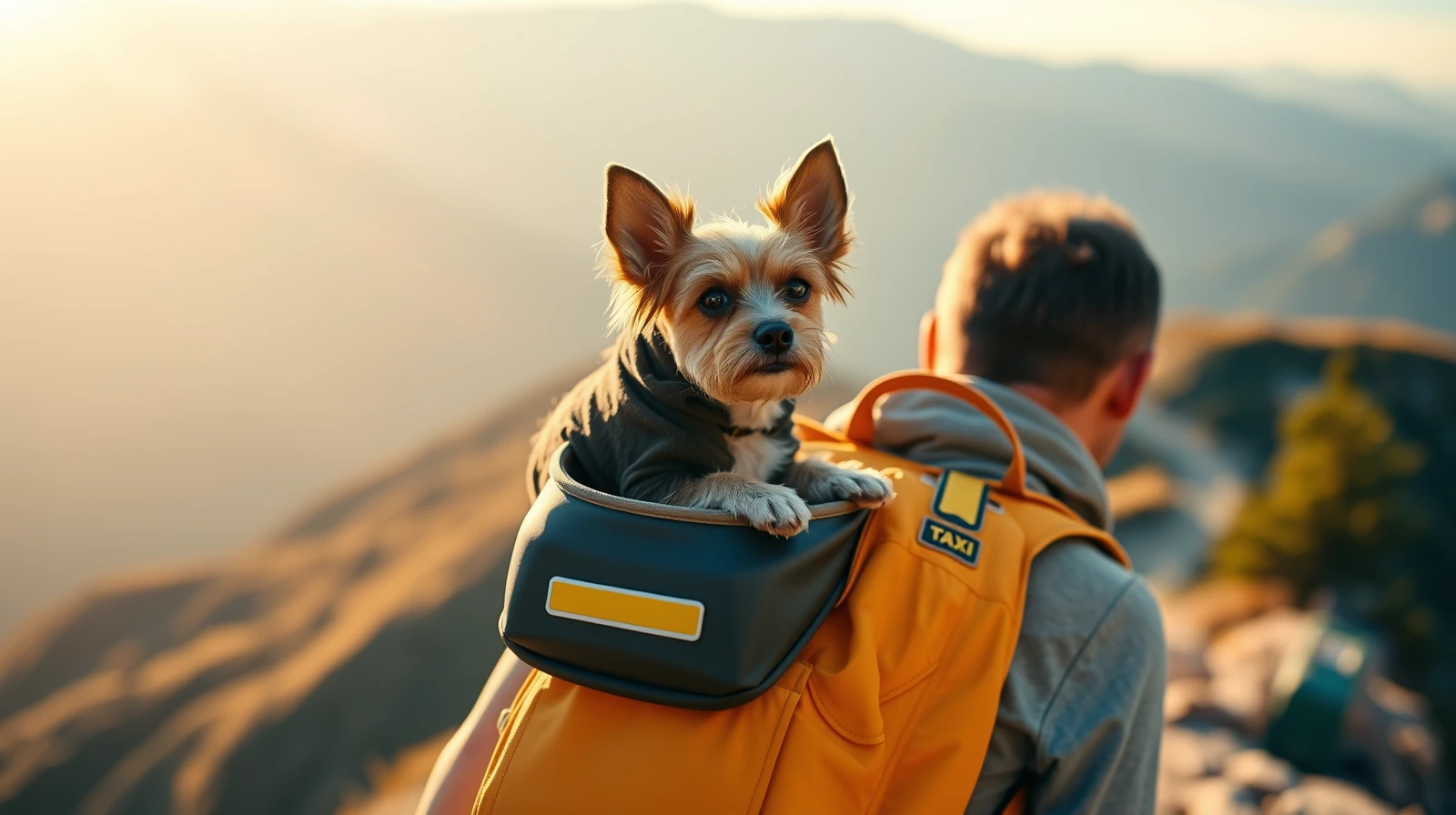
For most owners the best dog backpack carrier is the K9 Sport Sack for general use and vertical carry, with the Kurgo G-Train K9 Pack as the standout for air travel because it is built with cabin sizing in mind. Backpack carriers suit short carries with calm dogs. Confirm current price and fit on the maker's site.
For most owners, the best dog backpack carrier is the K9 Sport Sack for general use and confident vertical carry, with the Kurgo G-Train K9 Pack as the standout for air travel because it is one of the few packs the maker says meets cabin sizing for many airlines. Backpack carriers suit short carries with calm dogs, not all-day hikes. Always confirm current price and fit on the maker's site.
A dog backpack carrier solves a narrow but real problem: getting a small or medium dog from point A to point B when walking, public transit, a busy airport, or rough trail terrain makes a leash impractical or unsafe. It is not a substitute for a crash-tested car restraint, and it is not a daypack you load gear into and forget. Below we walk through six carriers that are currently sold and worth knowing, what each one is genuinely good at, the weight and ventilation limits that matter, and how to match a pack to your dog. For more hands-on gear and operator write-ups, see our full reviews hub. Prices are approximate and move often, so treat every figure here as a starting point and confirm the current number on the maker's own page before you buy.
Still comparing gear? Our roundup of the Best Dog Boots and Booties for Winter covers the current top picks.
Still comparing gear? Our roundup of the Best Dog Life Jackets for Swimming and Boating covers the current top picks.
See also Best Cat Scratching Post.
For more on this, read Best Dog Poop Bags.
The short version: who each pack is for
If you only remember one thing, remember that "carrier" and "dog daypack" are two different products. A carrier holds the dog. A daypack lets a fit, walking dog carry its own water and snacks. People conflate them constantly, and Ruffwear (below) is the classic example: its flagship packs are gear-hauling daypacks worn by the dog, not human-worn carriers that hold the dog. We have flagged that distinction clearly so you do not buy the wrong category.
- Best all-rounder: K9 Sport Sack (Plus 2 for most dogs, Kolossus for larger or long-bodied dogs)
- Best for air travel: Kurgo G-Train K9 Pack
- Best supportive design for small dogs: DJANGO Dog Carrier Backpack
- Best budget pick: PawPack Breathable Mesh Carrier
- Best made-in-USA / heavier small dogs: Tough Traveler Dog Perch
- Not a carrier (dog-worn daypack): Ruffwear Approach / Hitch Hiker
The carriers, reviewed
K9 Sport Sack (Plus 2 and Kolossus)
The K9 Sport Sack is the pack most people picture when they hear "dog backpack." It carries the dog vertically, head out the top, with the dog's legs through openings and padded straps and a hip belt taking the load on your body rather than your shoulders alone. The brand promotes veterinary endorsement and a fit system sized by your dog's measurements, which is the right way to choose: weight alone does not tell you whether a deep-chested or long-bodied dog will sit comfortably. Mesh side panels handle ventilation, and there is a safety leash clip inside so the dog cannot bolt when you open the top.
The Plus 2 covers the bulk of small-to-medium dogs, while the Kolossus is built for larger or longer dogs that overflow the standard sizes. Check the size chart on k9sportsack.com against your dog's actual measurements rather than guessing from breed.
- Pros: Vertical carry distributes weight well, multiple sizes, vet-endorsed marketing, internal safety clip, strong owner following.
- Cons: Higher price than basic mesh packs; a vertical pack is more carry than a small dog needs for a quick errand; not a flat sleep position.
- Best for: Hiking sections, festivals, transit, dogs that tolerate an upright head-out posture.
Kurgo G-Train K9 Pack
The Kurgo G-Train is the pack to look at first if your reason for buying is flying. Kurgo positions it as airline-friendly and built to fit under-seat dimensions for many carriers, which is the practical bar for cabin travel. As always with air travel, the airline has the final word: every carrier has its own under-seat measurements and its own pet-in-cabin rules, so confirm your specific airline's current requirements and the bag's listed dimensions on kurgo.com before you book. The G-Train uses a padded, structured body with mesh panels, a sherpa-lined base, and storage pockets, and it can be worn as a backpack or carried by handles.
- Pros: Designed with cabin sizing in mind, comfortable padded base, multiple carry modes, well-known brand with broad retail availability.
- Cons: Built for smaller dogs that fit under a seat; "fits many airlines" is not "fits every airline," so verify; structured shape is bulkier to store.
- Best for: Small dogs flying in cabin, multi-modal trips that mix airport, transit, and walking.
For the wider picture on cabin versus cargo and which carriers airlines actually accept, see our breakdown of pet cargo versus in-cabin travel.
DJANGO Dog Carrier Backpack
DJANGO leans into a more horizontal, supportive layout aimed squarely at small dogs. Rather than holding the dog bolt-upright, the design gives a small dog room to lie down or sit in a more natural posture, with a padded base and mesh windows for airflow. It is a good fit for owners who want something that doubles as a travel bag and a comfortable resting spot for a calm lap-sized dog. Confirm the current weight ceiling and dimensions on djangobrand.com, because the supportive shape is sized for genuinely small dogs and is not meant to stretch up into medium territory.
- Pros: Supportive, more natural resting position for small dogs; padded; travel-oriented design with storage.
- Cons: Small-dog ceiling only; horizontal shape is wider to wear; premium pricing.
- Best for: Small dogs and owners who prioritize comfort and a flatter resting posture over vertical hiking carry.
PawPack Breathable Mesh Carrier (budget pick)
If you want to try a backpack carrier without committing to a premium price, a breathable mesh carrier in the PawPack style is the entry point. At the time of writing these typically run roughly $35 to $45, and the selling point is 360-degree mesh: airflow on all sides, which matters more than most buyers realize because overheating is the single biggest risk with enclosed dog packs. The trade-off is structure. Budget mesh carriers offer less padding, less load support, and a lower weight ceiling than the K9 Sport Sack or Kurgo, so they are best for genuinely small dogs and short carries. Confirm the current price and the stated weight limit before you buy, since budget listings change specs and pricing frequently.
- Pros: Low cost, strong ventilation from full mesh panels, light and packable.
- Cons: Less structure and padding, lower weight ceiling, build quality varies by listing.
- Best for: Small dogs, short trips, and owners testing whether their dog tolerates a pack at all before spending more.
Tough Traveler Dog Perch (made in USA)
Tough Traveler is a long-running American maker known for child carriers, and the Dog Perch applies the same heavy-duty construction to dogs. It is built and sewn in the USA and is rated for heavier small dogs, in the rough range of 20 to 30 pounds, which puts it above many lap-dog-only packs. Owners who want durability and domestic manufacturing over the latest design trends gravitate here. As with every pack, confirm the current weight rating and sizing on the maker's site before buying, and match it to your dog's real measurements.
- Pros: Durable, made in USA, handles heavier small dogs than most packs, long-standing manufacturer.
- Cons: Utilitarian look, narrower availability than mass-market brands, still a short-carry tool not an all-day solution.
- Best for: Owners of sturdier small dogs (around 20 to 30 lb) who want a hard-wearing, domestically made pack.
Ruffwear Approach / Hitch Hiker (read this before buying)
Ruffwear makes excellent gear, but it is important to be accurate about what it is. Ruffwear's well-known packs, such as the Approach daypack, are worn by the dog to carry the dog's own gear (water, treats, waste bags) on a hike. They are dog-worn daypacks, not human-worn carriers that hold the dog. If you have a fit, healthy adult dog that walks the trail on its own four legs and you simply want it to carry its share, a Ruffwear daypack is a great choice. If you need to physically carry a small, tired, injured, or young dog, this is the wrong category and you want one of the carriers above. We include Ruffwear here precisely because shoppers searching "dog hiking backpack" land on both product types and need the distinction spelled out. See current models on ruffwear.com.
- Pros: High build quality, well-fitted for active dogs carrying their own gear, trusted trail brand.
- Cons: Does not carry the dog; only suits dogs healthy enough to walk and bear a light load themselves.
- Best for: Fit adult dogs on hikes that should haul their own water and snacks, not dogs that need carrying.
Comparison at a glance
Weight ceilings and prices below are approximate and based on maker-published information at the time of writing. Always confirm the current figure on the maker's own page, because specs and pricing change.
| Product | Best for | Approx. max dog weight | Air-travel suitability | Approx. price range |
|---|---|---|---|---|
| K9 Sport Sack (Plus 2 / Kolossus) | All-round vertical carry, hiking, transit | Sized by measurement; Kolossus for larger/long dogs | Limited; not marketed as cabin-sized, confirm with airline | Around $130-$250 |
| Kurgo G-Train K9 Pack | Air travel, small dogs in cabin | Small dogs (under-seat range) | Strong; built with cabin sizing in mind, verify per airline | Around $80-$100 |
| DJANGO Dog Carrier Backpack | Small dogs, comfort and resting posture | Small dogs only | Possible for small dogs; confirm bag size vs airline | Around $150-$220 |
| PawPack Breathable Mesh Carrier | Budget, short carries, full ventilation | Small dogs only | Varies; confirm dimensions and airline rules | Around $35-$45 |
| Tough Traveler Dog Perch | Heavier small dogs, durability, USA-made | Roughly 20-30 lb | Limited; not a cabin-sizing focus | Around $150-$250 |
| Ruffwear Approach (daypack) | Fit dogs carrying their own gear | Dog-worn; not a carrier | Not applicable (does not carry the dog) | Around $80-$100 |
How to choose a dog backpack carrier
Start with weight and measurements, not breed
Every pack lists a weight ceiling, and you must stay under it with margin to spare. But weight is only half the story: a long-bodied or deep-chested dog can be within the weight limit and still not fit. The better brands size by length, chest girth, and height, so measure your dog and compare against the maker's chart rather than trusting a breed label. Confirm the current size chart on the maker's site, since they get revised.
Prioritize ventilation, because overheating is the real risk
An enclosed pack traps heat and limits airflow, and a dog cannot sweat to cool itself the way you can. The Center for Pet Safety and general veterinary guidance both stress that heat is a serious danger in confined pet-travel situations. Look for genuine mesh on multiple sides, avoid using any pack in hot weather or direct sun, keep water available, and watch for heavy panting, drooling, or restlessness, which are early signs your dog needs to come out and cool down. A budget pack with full 360-degree mesh can ventilate better than a pricier, more enclosed design, so do not assume cost equals airflow.
Match the structure to the use
Vertical, structured packs (K9 Sport Sack) carry weight better on your body and suit longer carries and trail use. Horizontal, supportive packs (DJANGO) give small dogs a more natural resting posture and suit travel and transit. Lightweight mesh packs (PawPack style) are best for short, occasional carries. Decide what you will actually do most, then buy for that, not for the most impressive-sounding feature set.
Check TSA and airline cabin rules before you fly
If air travel is the goal, the pack's dimensions have to clear two separate bars: the airline's under-seat measurements and its pet-in-cabin policy. A pack the maker calls airline-friendly may still not fit a specific aircraft's under-seat space. Airline pet rules and fees change frequently, so confirm the current requirements directly with your airline before booking, and read our airline-approved carrier guide for how the major carriers differ. For ground trips, your car needs a separate plan: see how to transport a dog in a car and our tips for a road trip with a dog, since a backpack carrier is not a vehicle restraint.
A calm word on safety and limits
Backpack carriers are designed for short carries, not endurance. The two things to keep front of mind are heat and over-confinement. In warm weather, a closed pack heats up fast, so plan around it: travel in cooler hours, keep airflow open, take frequent breaks, and never leave a dog zipped in for long stretches. The same heat logic applies to the rest of your dog's hot-weather gear, which is why we cover dog shoes for hot pavement as a companion topic. Beyond heat, a backpack carrier is not a crash restraint and is not for an anxious dog that struggles to be confined. If your dog fights the pack, do not force it. Start with short, calm, rewarded sessions at home and build up. The Center for Pet Safety publishes general guidance on safe pet travel that is worth reading before any trip: centerforpetsafety.org.
How we sourced this
Our picks are based on each maker's published specifications and product information, our reading of how the products are positioned, and aggregated owner reviews across major retailers. We have not lab-tested or crash-tested these carriers, and no backpack carrier here is presented as a tested vehicle safety restraint. Weight ceilings, dimensions, and prices change, so we have given ranges and pointed you to each maker's official page to confirm current figures. Most important: fit is individual. Measure your dog, check the maker's size chart, and confirm the pack suits your specific dog before relying on it.
What is the best dog backpack carrier overall?
Are dog backpack carriers safe?
What size dog fits in a backpack carrier?
Can I take a dog backpack carrier on a plane?
Is a Ruffwear pack a dog carrier?
How do I stop my dog overheating in a backpack carrier?
How much does a good dog backpack carrier cost?
How long can a dog stay in a backpack carrier?
Sources & references
- k9sportsack.com https://k9sportsack.com
- kurgo.com https://www.kurgo.com
- ruffwear.com https://ruffwear.com
- djangobrand.com https://djangobrand.com
- centerforpetsafety.org https://www.centerforpetsafety.org